
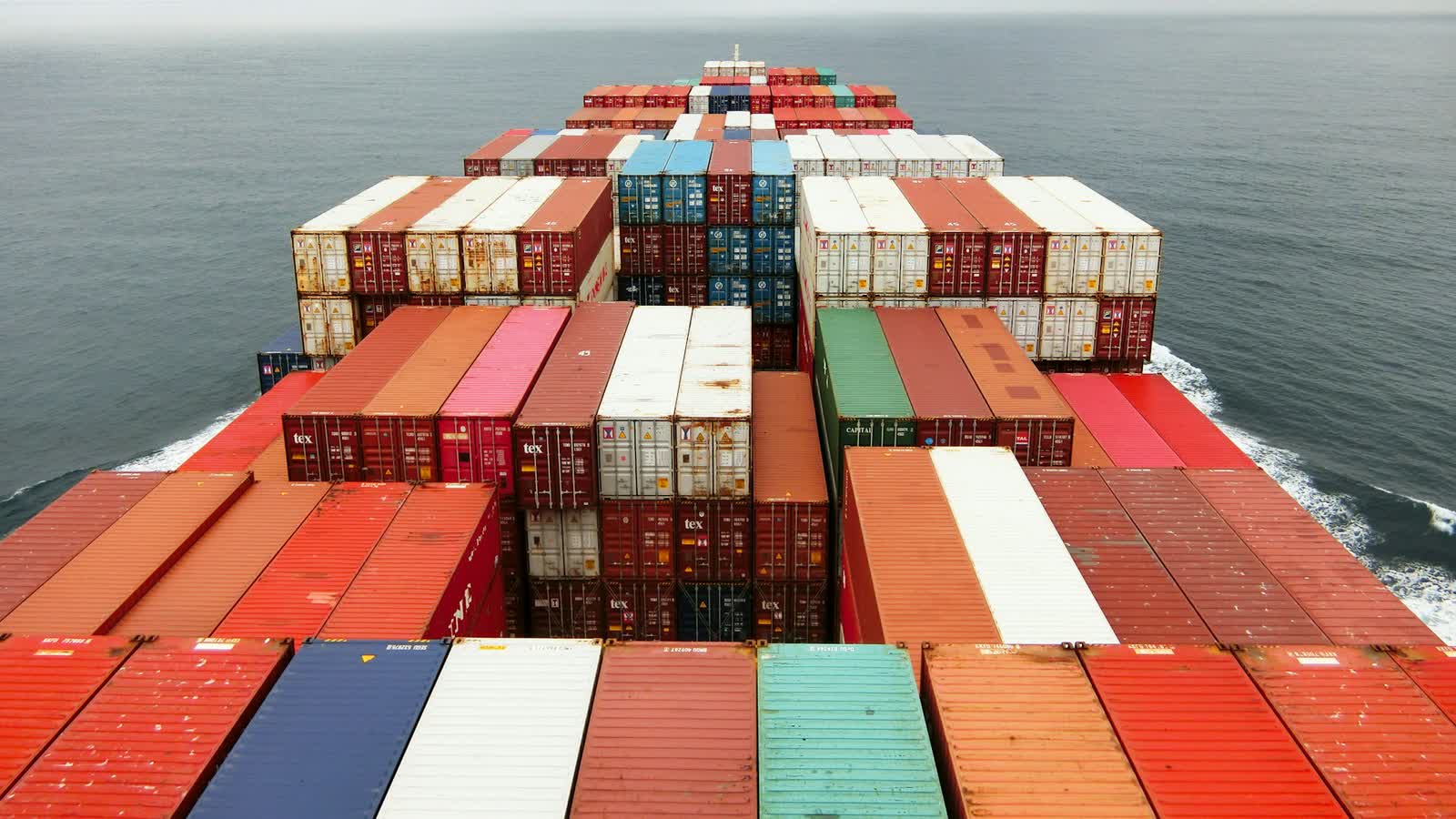
Hold Cleaning at Jebel Ali Port
Holds ready for the next fixture at Jebel Ali Port — the largest container port in the Middle East.
Get a quote
Tell us the vessel, the port and the window. Scoped reply, usually the same working day.
Cleanship Marine cleans cargo holds at Jebel Ali Port (AEJEA), Dubai — shore gangs alongside, riding crews on the passage out, and IRATA rope access teams for the upper hold. Jebel Ali is container and RoRo tonnage, so hold work here means cell guides, hold bilges, tank tops and lashing gear rather than a bulk residue clean — confined-space and rope-access scope on liner ships working to a fixed rotation.
Working conditions at Jebel Ali
Work here starts alongside, and where the berth window runs out it continues on the outward passage with a riding crew — the berth will not be held open for it. The shamal sets the outer limits of the calendar, through the winter months and again in early summer, and it affects the anchorage far more than the berth. The larger constraint here is heat. Between June and September, working temperatures inside a cargo hold or a tank at this port routinely exceed anything a full shift can be worked in, so enclosed-space work runs to shortened cycles with enforced rest, forced ventilation and more people than the same job needs in winter. Pricing a Gulf summer tank entry on a winter productivity assumption is the most common way these jobs overrun. Access approval runs through DP World and the Dubai Maritime Authority and the terminal, and the disposal route for residues and washings is fixed before the gang boards rather than found afterwards.
- Where we work
- Container terminal berths · RoRo and general cargo berths · Liquid bulk berths · Outer anchorage
- Vessels we see here
- Main-line and feeder container ships · Pure car and truck carriers · General cargo and project vessels · Offshore support vessels
Hold Cleaning scopes at Jebel Ali
3 scopes, one team and one mobilisation. Most vessels calling here take more than one on the same attendance.
Planning the window at Jebel Ali
The shamal governs the calendar at Jebel Ali Port, through the winter months and again in early summer. For hold work the wind matters less than the rain: holds cannot be washed, dried and closed in wet weather, and a hold shut up damp fails inspection however clean it looks. Turnaround here is quick and the berth will not be held open for cleaning, so the work is either sequenced hold by hold behind the discharge as each one empties, or handed to a riding crew to complete on the passage out. Waiting for all holds to be empty is waiting past the berth window.
Teams mobilise via Dubai (DXB) or Al Maktoum (DWC), so give us the ETA as early as you have it — the travel is the flexible part, the approvals and the working window are not.
What we typically find at Jebel Ali
This is container and unitised tonnage, so the scope is cell guides, hold bilges, bilge wells, tank tops and lashing gear rather than a bulk residue clean — steady maintenance work at height and in confined spaces, on ships that will not extend a berth window for it.
What we usually find here is a partial job already attempted: crew sweeping between grabs, with the frames, brackets and tank-top margins untouched because there was never the time to reach them. Those are exactly the places an inspection looks.
How we deliver it at Jebel Ali
- 1
Scope and vessel details
Tell us the vessel, her particulars, the last and next cargo and the window at Jebel Ali. We come back with a defined scope, a crew size and a duration we will stand behind. Where the conditions here will not support what has been asked for, we say so at this stage rather than after mobilisation.
- 2
Approvals and waste routing
Access at Jebel Ali Port is the terminal operator's decision as much as DP World and the Dubai Maritime Authority's, so both are in the approval chain from the start — a berth-side refusal discovered at the gangway costs the whole attendance. The disposal route for residues and washings is fixed before the gang boards — MARPOL Annex V compliance is a documented chain, not an assurance. Where reception at Jebel Ali is limited, the plan changes rather than the paperwork.
- 3
Mobilisation to Jebel Ali
Gangs, pumps, chemicals and equipment mobilise via Dubai (DXB) or Al Maktoum (DWC). Where a vessel is also calling at Port Rashid, one mobilisation is normally sized to cover both.
- 4
Entry, sequencing and the work
Enclosed-space entry runs to the vessel's own permit system, with a fresh gas test before every entry and after every break. Gas testing, standby cover and continuous supervision run throughout, and progress is reported hold by hold rather than only at the end.
- 5
Report and handover
A completion report covering hold cleaning is issued with before-and-after imagery, hold by hold and anything found that you should know about. The findings are discussed with the vessel rather than emailed and forgotten.
Jebel Ali Port at a glance
- UN/LOCODE
- AEJEA
- Port type
- Private Port
- Emirate
- Dubai
- Country
- United Arab Emirates
- Water body
- Arabian Gulf
- Port authority
- DP World and the Dubai Maritime Authority
- Main cargoes
- Containers, RoRo and vehicles, Project cargo, Liquid bulk, General cargo
- Crew mobilisation
- Dubai (DXB) / Al Maktoum (DWC)
- Services here
- Hull Cleaning, Hold Cleaning and Tank Cleaning
Frequently asked — Jebel Ali Port
Does Cleanship provide hold cleaning at Jebel Ali Port?
Yes. We cover the full hold cleaning scope at Jebel Ali Port (AEJEA), Dubai — cargo hold cleaning (shore gang), hold cleaning riding crew and rope access hold cleaning. Teams mobilise via Dubai (DXB) or Al Maktoum (DWC).
Where is the work done at Jebel Ali — alongside, at anchorage or on passage?
Work here starts alongside, and where the berth window runs out it continues on the outward passage with a riding crew — the berth will not be held open for it. Between June and September the binding constraint is working temperature inside the space rather than access to it.
Who approves hold cleaning work at Jebel Ali?
DP World and the Dubai Maritime Authority issues the port-side approval at Jebel Ali Port, with terminal approval on top where the berth requires it. We arrange both, along with the waste reception and disposal route, so it does not fall to the agent or the master.
Which vessels call at Jebel Ali?
Main-line and feeder container ships, Pure car and truck carriers, General cargo and project vessels, Offshore support vessels — Jebel Ali Port is the largest container port in the Middle East, handling containers, RoRo and vehicles, project cargo, liquid bulk, general cargo. What sizes a hold job is the number of holds, the last cargo and the standard the next fixture demands — not the vessel's dimensions.
Can this be done without taking the vessel off hire at Jebel Ali?
Yes — that is the point of it. Every scope listed here is carried out with the vessel afloat and working, at the berth, at the anchorage or on the passage out. Shore gangs work alongside or at anchorage and riding crews finish on the passage, so no port time is spent on cleaning and the vessel is never off hire.
Do you cover other ports near Jebel Ali?
Yes. Port Rashid, Sharjah and Ajman all sit within the same operating range for hold cleaning, and a single mobilisation is often sized to cover more than one vessel on the same trip. We work 63 ports on the coverage list for this line.
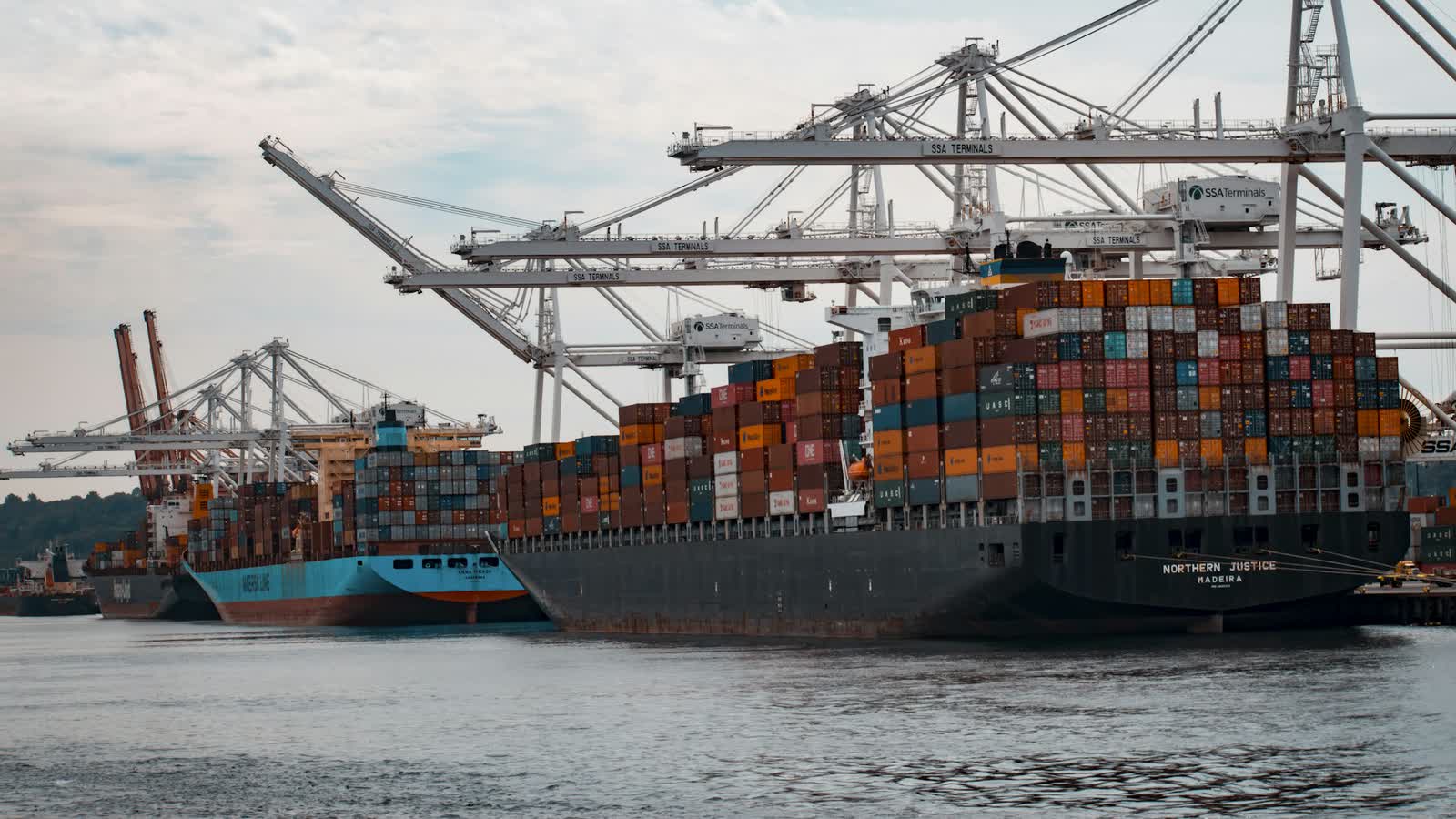
Hold Cleaning at Jebel Ali Port.
Tell us the vessel, her ETA at Jebel Ali and the window. You get a scope, a crew size and an honest duration — usually the same working day.