
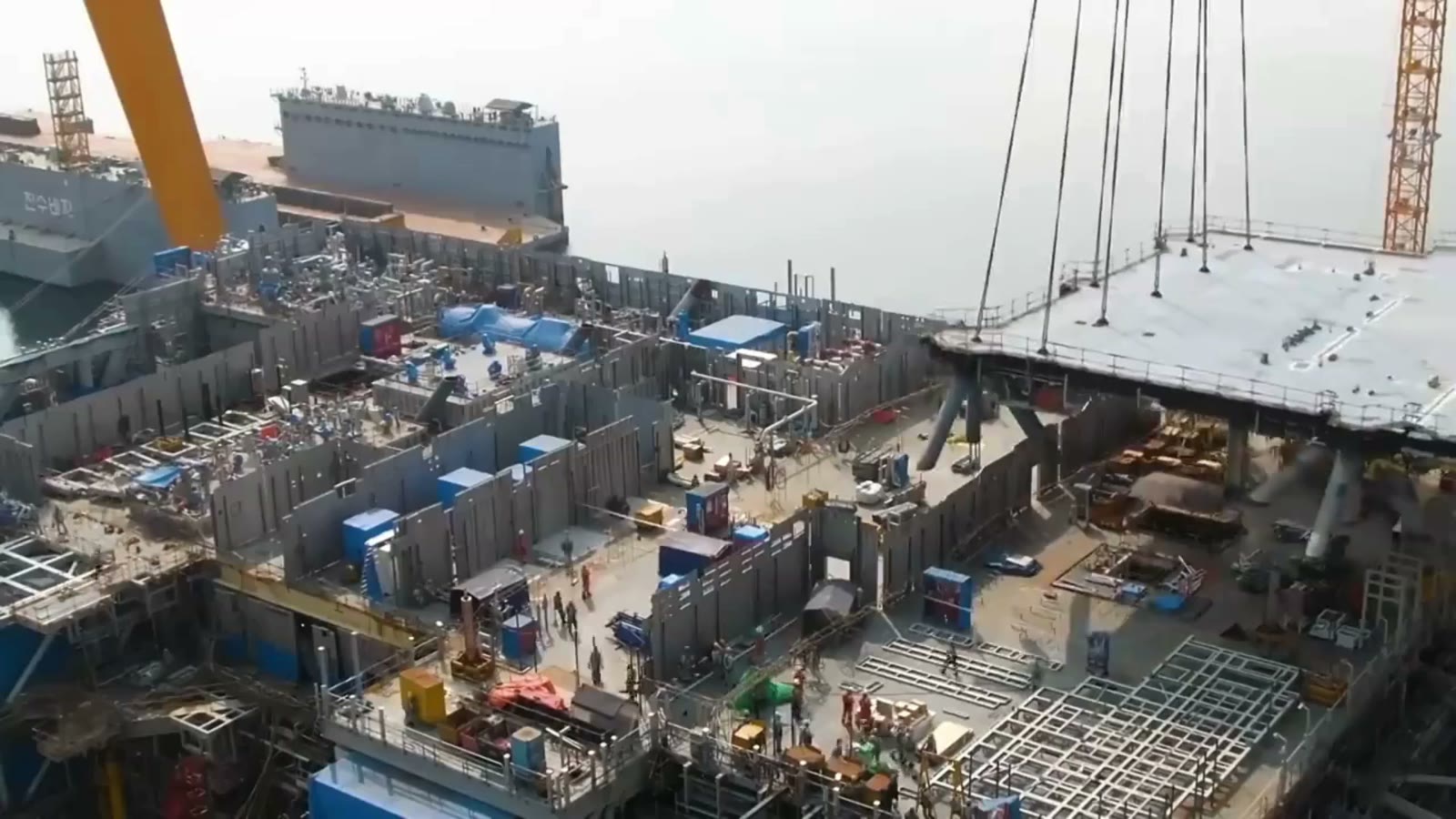
Void Space & Cofferdam Cleaning
The spaces nobody wants to enter, entered safely
- Voids, cofferdams, duct keels, pipe tunnels and ballast tanks
- Continuous gas monitoring with forced ventilation
- Manned rescue standby at every entry point
Get a quote
Tell us the vessel, the port and the window. Scoped reply, usually the same working day.
Voids, cofferdams, duct keels, pipe tunnels and ballast tanks are the spaces that fail surveys, because they are the spaces nobody has opened since the last one. Sediment, scale, standing water and oxygen-depleted atmosphere are the normal condition, and entering them without the right regime is one of the most reliable ways to kill people in this industry.
Our teams clean these spaces under a full confined-space entry regime — continuous atmospheric monitoring, forced ventilation, an attendant at the entry point and manned rescue standby — and present them clean, dry and ready for the surveyor or the coating inspector.
What you get
- Voids, cofferdams, duct keels, pipe tunnels and ballast tanks
- Continuous gas monitoring with forced ventilation
- Manned rescue standby at every entry point
- Sediment, scale and standing water removal
- Prepared for class survey and coating inspection
Scope of work
What is included as standard. Anything outside this is quoted separately and flagged before mobilisation, never added afterwards.
- 01
Atmosphere control
Forced ventilation established and the atmosphere tested and continuously monitored throughout occupancy.
- 02
Sediment and water removal
Mud, sediment, scale and standing water removed from tank bottoms, framing and structural pockets.
- 03
Washing and drying
Structure washed down and dried so coating condition and steel wastage can actually be assessed.
- 04
Survey preparation
Structural members, welds and coating cleaned to a standard that allows meaningful close-up inspection and thickness measurement.
- 05
Rescue provision
Rescue equipment rigged and a trained standby team present at the entry point for the full duration of every entry.
How we deliver it
- 01
Risk assessment
Each space is assessed individually for atmosphere, access, geometry and rescue feasibility before entry is planned.
- 02
Ventilation and testing
The space is ventilated and tested, and entry is authorised only when readings are within limits and stable.
- 03
Cleaning under supervision
Teams work in controlled rotations with an attendant logging entry and exit and monitoring continuously.
- 04
Presentation
Space is presented for survey with a photographic completion report.
Frequently asked
What if the atmosphere cannot be brought within limits?
Then nobody enters. We extend ventilation, investigate the source, and if it still cannot be made safe we report that rather than working around it. No commercial pressure changes this.
Ready when you are.
Tell us the vessel, the port and the window. You get a scope, a crew size and an honest duration — usually the same working day.