
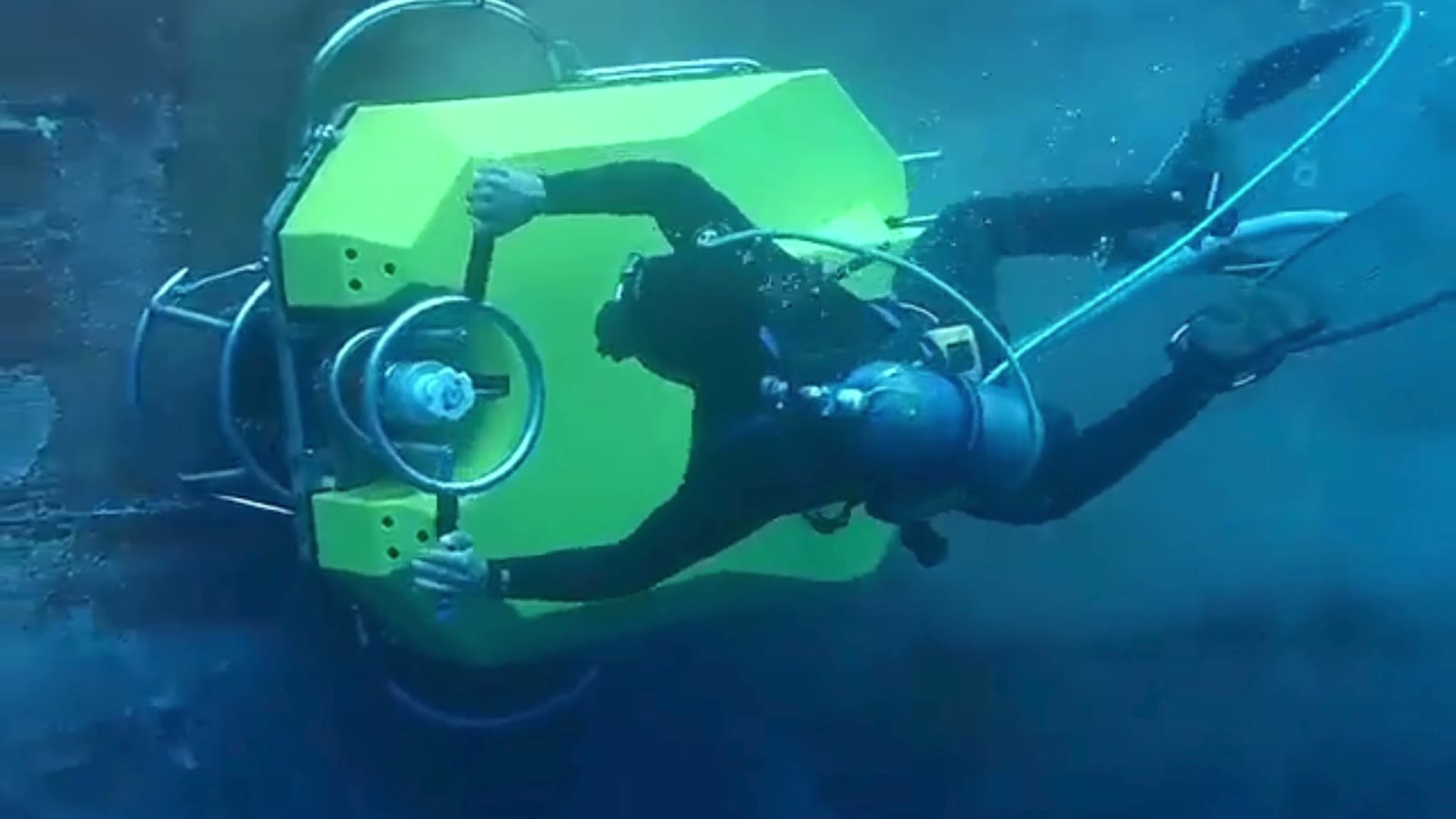
Hull Cleaning in India
In-water hull, propeller and survey work at 33 Indian ports.
Get a quote
Tell us the vessel, the port and the window. Scoped reply, usually the same working day.
Cleanship Marine works 33 Indian ports for hull cleaning. Every scope is delivered with the vessel afloat and working — no dry dock, no diversion, no off-hire.
Indian ports are not one working environment. A job at Kolkata on the Hooghly, at Kandla at the head of a tidal creek, and at Tuticorin in the Gulf of Mannar are three different operations with three different methods, windows and realistic outcomes. Each port page below says what the conditions actually are there, who approves the work, and what the traffic looks like — because scoping against an average is how attendances overrun.
Cleanship holds operating bases at Kandla and Visakhapatnam, so people and equipment are held in country. Teams mobilise from there across the coverage, and a single mobilisation is routinely sized to cover more than one vessel or more than one port on the same trip.
Coverage at a glance
- Ports covered
- 33
- Operating bases
- 2
- Scopes per port
- 5
- states served
- 9
The 5 scopes
One team covers all of them. Most vessels take more than one on the same attendance, which is where the mobilisation cost stops being the expensive part of the job.
Underwater Hull Cleaning
Full hull cleaned in the water, vessel stays on hire
Service detailsPropeller Polishing
Mirror finish, measurably lower fuel burn
Service detailsThruster Cleaning & Polishing
Full thrust restored when you need it most
Service detailsIn-Water Class Survey
Class attendance without opening a dry dock
Service detailsUWILD
Survey credit earned without leaving the water
Service details
Ports we cover
Every port below has its own page covering local conditions, the approving authority, vessel traffic and each scope.
Gujarat12
- Bhavnagar PortINBHU
State Port · Gulf of Khambhat
- Dahej PortINDAH
State Port · Gulf of Khambhat
- Hazira PortINHZR
Private Port · Gulf of Khambhat
- Jakhau PortINJAK
State Port · Arabian Sea off the Kutch coast
- Kandla PortINIXY
Major Port · Gulf of Kutch
- Magdalla PortINMDA
State Port · Tapi estuary, Gulf of Khambhat
- Muldwarka PortINMDK
State Port · Arabian Sea off Saurashtra
- Mundra PortINMUN
Private Port · Gulf of Kutch
- Navlakhi PortINNAV
State Port · Gulf of Kutch
- Okha PortINOKH
State Port · Entrance to the Gulf of Kutch
- Pipavav PortINPAV
Private Port · Arabian Sea off Saurashtra
- Porbandar PortINPBD
State Port · Arabian Sea
Andhra Pradesh04
- Gangavaram PortINGGV
Private Port · Bay of Bengal
- Kakinada PortINKAK
State Port · Bay of Bengal
- Krishnapatnam PortINKRI
Private Port · Bay of Bengal
- Visakhapatnam PortINVTZ
Major Port · Bay of Bengal
Maharashtra04
- Dahanu PortINDHU
State Port · Arabian Sea
- Mumbai PortINBOM
Major Port · Arabian Sea, Mumbai harbour
- Nhava Sheva PortINNSA
Major Port · Arabian Sea, Mumbai harbour
- Ratnagiri PortINRTC
State Port · Arabian Sea, Konkan coast
Karnataka03
- Belekeri PortINBLK
State Port · Arabian Sea
- Karwar PortINKRW
State Port · Arabian Sea
- Mangalore PortINIXE
Major Port · Arabian Sea
Tamil Nadu03
- Chennai PortINMAA
Major Port · Bay of Bengal
- Ennore PortINENR
Major Port · Bay of Bengal
- Tuticorin PortINTUT
Major Port · Gulf of Mannar
Goa02
- Mormugao PortINMRM
Major Port · Arabian Sea at the mouth of the Zuari
- Panaji PortINPAN
State Port · Mandovi River
Odisha02
- Dhamra PortINDMA
Private Port · Bay of Bengal
- Paradip PortINPRT
Major Port · Bay of Bengal
West Bengal02
Kerala01
- Cochin PortINCOK
Major Port · Arabian Sea and the Vembanad backwaters
Other service lines in India
Frequently asked — India
Which Indian ports does Cleanship cover for hull cleaning?
33 of them: Belekeri, Bhavnagar, Chennai, Cochin, Dahanu, Dahej, Dhamra, Ennore, Gangavaram, Haldia, Hazira, Jakhau, Kakinada, Kandla, Karwar, Kolkata, Krishnapatnam, Magdalla, Mangalore, Mormugao, Muldwarka, Mumbai, Mundra, Navlakhi, Nhava Sheva, Okha, Panaji, Paradip, Pipavav, Porbandar, Ratnagiri, Tuticorin and Visakhapatnam. Each has its own page covering the local conditions, the approving authority and the vessel traffic that calls there.
Do you have crews based in India?
Yes. Cleanship holds operating bases at Kandla and Visakhapatnam, so people and equipment are held in region rather than mobilised against a window. Teams work out from there to the rest of the coverage.
Can hull cleaning be done without dry docking or off-hire?
Yes — that is the whole point of in-water work. Cleaning, propeller polishing, thruster work, in-water class survey and UWILD are all carried out with the vessel afloat and on hire. Where a class survey or UWILD is involved, the class society approves the programme in advance and we handle that liaison.
Who approves this work at Indian ports?
It varies by port, which is why each page names its own. Karnataka Maritime Board, Gujarat Maritime Board, Chennai Port Authority and Cochin Port Authority are among the authorities involved, and private terminals add their own approval on top. We obtain all of it as part of the job rather than leaving it with the agent.
How do working conditions differ between Indian ports?
Enough that the method changes, which is why every port here has its own page rather than a shared one. Water body, tidal stream, visibility, shelter, waiting pattern, waste reception and — in the Gulf — working temperature all vary port to port, and each of those changes what is realistic in a given window. We scope against the port, not against a regional average.
Can one mobilisation cover more than one vessel or port?
Frequently, and it is worth asking — the mobilisation is usually the largest fixed cost in a small job, so splitting it across two attendances changes the economics more than any rate negotiation will. Ports that sit within a single trip are listed as neighbours on each port page, so you can see at a glance what can be combined.
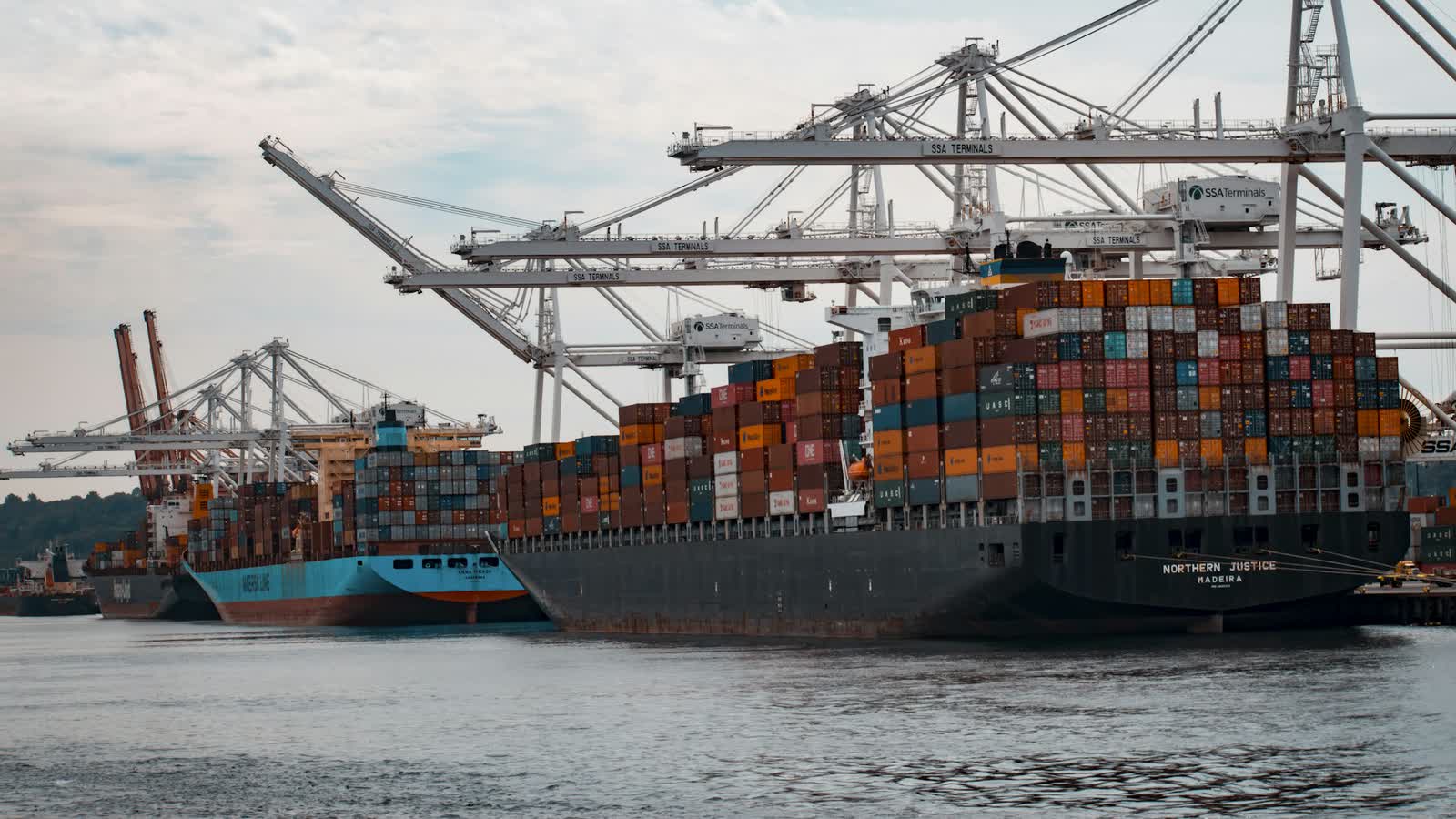
Hull Cleaning at a India port.
Tell us the vessel, the port and the window. You get a scope, a crew size and an honest duration — usually the same working day.