
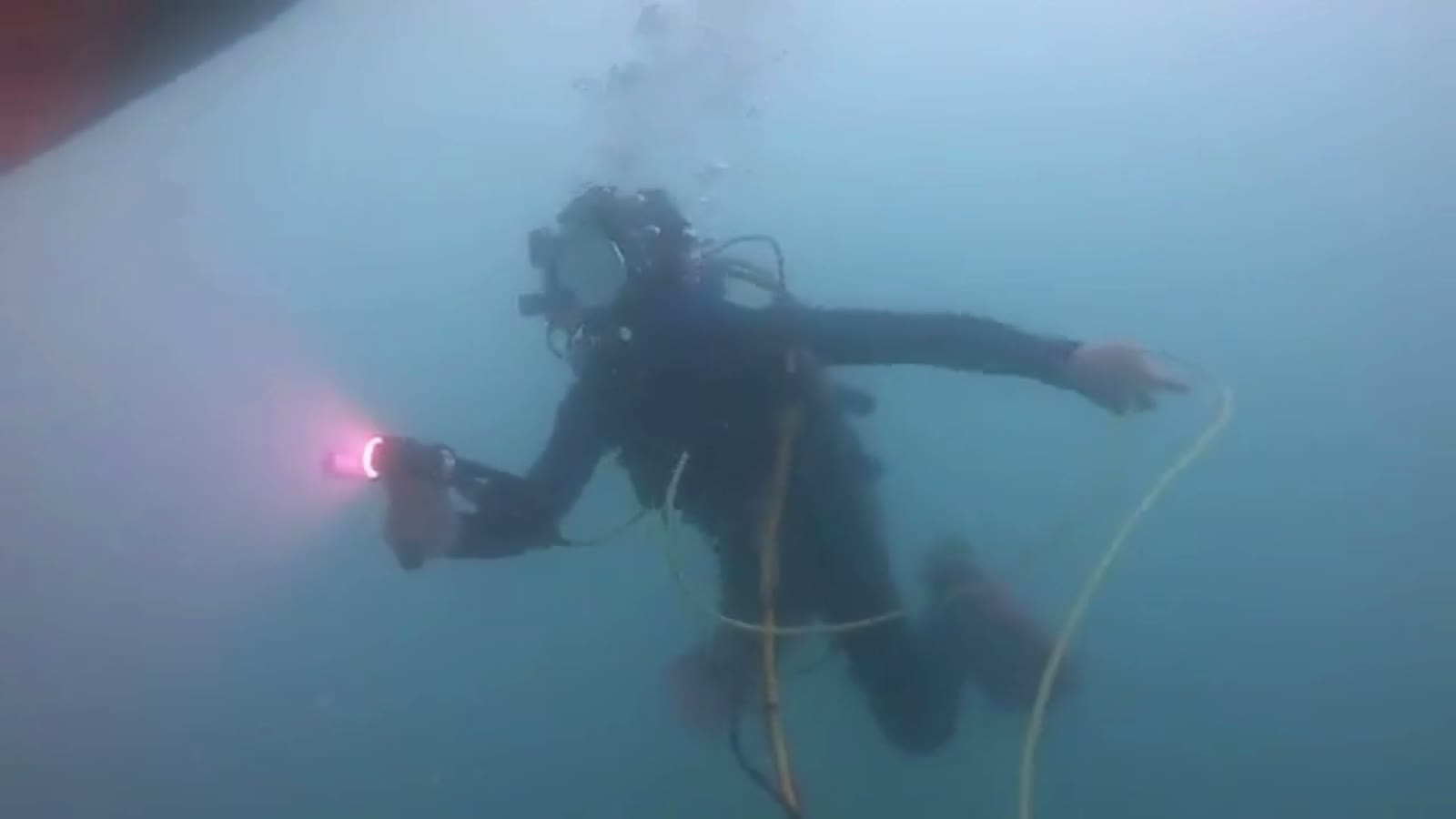
In-Water Class Survey at Panaji Port
Class attendance without opening a dry dock
Get a quote
Tell us the vessel, the port and the window. Scoped reply, usually the same working day.
Cleanship Marine delivers class-approved in-water surveys at Panaji Port, Goa, with high-definition live video to a surface monitoring station, diver-to-surveyor communications and a full report package for the class file.
Classification societies accept in-water survey in place of drydocking for many vessels and inspection scopes, provided the work is done by an approved diving contractor to a defined procedure with the surveyor able to see the structure in real time. River visibility here rules out conventional wide-shot survey video, so any class attendance has to be agreed in advance on a close-quarters, high-intensity lighting basis, and some scopes will simply not be accepted in these conditions. We will say so before you book the surveyor rather than after.
What it gets you
- Survey requirement satisfied without opening a dry dock or taking the vessel off hire
- Surveyor sees the structure live rather than reviewing a recording after the fact
- Defects located precisely against hull reference marks, not described approximately
- A report package built for the class file, not a video dump
Working conditions at Panaji
Panaji works the Mandovi, so the conditions are riverine — tidal stream, heavy freshwater influence through the monsoon and limited depth. Visibility swings sharply with the season and the river discharge, from workable in the dry months to effectively nil after heavy rain. Most underwater work here is on barges, tugs and small craft rather than deep-sea tonnage, which means shorter dives but frequent propeller, rudder and inlet clearance work.
- Where we work
- River jetties · Barge moorings
- Vessels we see here
- Ore barges and tugs · Coastal general cargo craft · Passenger and river cruise vessels
What we do at Panaji
- Survey programme agreed in advance with the class society and the surveyor attending at Panaji
- Hull plating, welds, sea chests, rudder, propeller and stern gear inspected to the agreed scope
- Live high-definition video to the surface station with two-way diver-to-surveyor communications
- Hull markings and reference points confirmed so the surveyor can locate every feature precisely
- Diving permission and any environmental clearance cleared with Captain of Ports, Goa
- Full report package with video, stills and findings issued for the class file
Planning the window at Panaji
The south-west monsoon governs the calendar at Panaji Port, roughly June to September. Swell and reduced surface visibility close most open-water work on this coast for the duration, and the weeks either side are unreliable rather than unusable. River current and sediment govern the method here: dives are cut to the slack either side of the tide, the team works by touch in near-zero visibility, and the vessel has to be properly secured against the stream before anyone enters the water.
Work is taken at the river jetties and barge moorings, and which of those a vessel ends up at changes the dive plan more than the season does. Teams mobilise via Goa (GOI), so give us the ETA as early as you have it — the travel is the flexible part, the approvals and the working window are not.
What we typically find at Panaji
The working fleet here spends most of its life at low speed in warm water, so growth is heavy, mixed and reaches the hard calcareous stage sooner than on deep-sea tonnage. Left too long it starts damaging the coating rather than just slowing the vessel.
River water changes what we find. Freshwater influence shifts the species mix and the growth is often softer but covers more of the hull, and sediment settles over the top of it on horizontal surfaces — two different problems on the same plate.
Standard scope of work
Included as standard on every in-water class survey attendance, wherever the vessel is. Anything outside it is quoted separately and flagged before mobilisation, never added afterwards.
- Hull structure inspection
- Shell plating, welds, bilge keels and openings inspected with continuous video and commentary, with cleaning of areas as needed for meaningful viewing.
- Rudder and steering gear
- Rudder plating, pintles, bearings and clearances inspected and, where required, measured.
- Propeller and stern arrangement
- Propeller, boss, rope guard and stern tube seal inspected for damage, erosion and leakage.
- Sea chests and openings
- Sea chests, gratings, valves and overboard discharges inspected and recorded.
- Anodes and coating
- Sacrificial anode wastage assessed and coating condition mapped for planning the next dry docking.
How we deliver it at Panaji
- 1
Scope and vessel details
Tell us the vessel, her particulars, the coating specification and the window at Panaji. We come back with a defined scope, a crew size and a duration we will stand behind. Where the conditions here will not support what has been asked for, we say so at this stage rather than after mobilisation.
- 2
Permits and approvals
Captain of Ports, Goa approves the work alongside the local harbour master, and at a state port that conversation is quicker but less formal — it is worth having in writing. Diving permission, terminal approval and any environmental clearance for in-water work are handled by us, not left with the agent to chase.
- 3
Mobilisation to Panaji
Divers, compressors, brush carts and cameras mobilise via Goa (GOI). Where a vessel is also calling at Mormugao, one mobilisation is normally sized to cover both.
- 4
Safety setup and the dive
The vessel is secured for diving — main engine, shaft and thrusters immobilised, sea suctions confirmed shut, permit agreed with the master. Teams work under surface supervision with continuous diver communications and video throughout.
- 5
Report and handover
A completion report covering in-water class survey is issued with before-and-after imagery, coating and anode condition and anything found that you should know about. The findings are discussed with the vessel rather than emailed and forgotten.
Panaji Port at a glance
- UN/LOCODE
- INPAN
- Port type
- State Port
- State
- Goa
- Country
- India
- Water body
- Mandovi River
- Port authority
- Captain of Ports, Goa
- Main cargoes
- River barge traffic, General and project cargo, Passenger and cruise
- Crew mobilisation
- Goa (GOI)
- Services here
- Hull Cleaning and Hold Cleaning
Frequently asked — In-Water Survey at Panaji
Do you provide in-water class survey at Panaji Port?
Yes. Cleanship Marine works Panaji Port (INPAN) in Goa, India, covering the river jetties and barge moorings. Teams mobilise via Goa (GOI) with the full spread.
Can in-water class survey be done while the vessel works cargo at Panaji?
Usually yes, but the constraint is the river rather than the cargo plan. Diving is held to the slack either side of the tide, so the real question is whether the vessel's stay covers enough slacks. The vessel stays on hire throughout, and there is no diversion and no dry dock. We scope against the conditions at Panaji and tell you honestly whether the window you have is enough.
Do you need a diving permit from Captain of Ports, Goa?
Yes, and we obtain it. Diving permission from Captain of Ports, Goa, terminal approval where the berth requires it, and any environmental clearance for in-water work are arranged as part of the job rather than left with the agent. The master's permit to work and the immobilisation of machinery are agreed on board before anyone enters the water.
What is underwater visibility like at Panaji?
Visibility at Panaji Port is effectively nil for most of the year, and the south-west monsoon sets the outer limits of the calendar. How the tide and sea state shape the dive plan is set out in full in the working-conditions section on this page.
Which vessels do you carry out in-water class survey on at Panaji?
Ore barges and tugs, Coastal general cargo craft, Passenger and river cruise vessels — the traffic at Panaji Port runs to river barge traffic, general and project cargo, passenger and cruise, so those are the profiles we see most. The scope is sized to the vessel, not to a standard package.
How quickly can a team mobilise to Panaji?
Divers and equipment mobilise via Goa (GOI). Give us the ETA and the window and we will confirm what is achievable rather than promise a date we cannot hold. Where the vessel also calls at Mormugao or Karwar, one mobilisation is often sized to cover both.
What does in-water class survey at Panaji cost?
It depends on the vessel's dimensions and wetted area, the fouling state found, the coating specification and the working window available at Panaji. We would rather scope it properly and give you a specific figure than quote a headline rate that changes once the work starts. Send the details and the window at Panaji and you get a scoped price, usually the same working day.
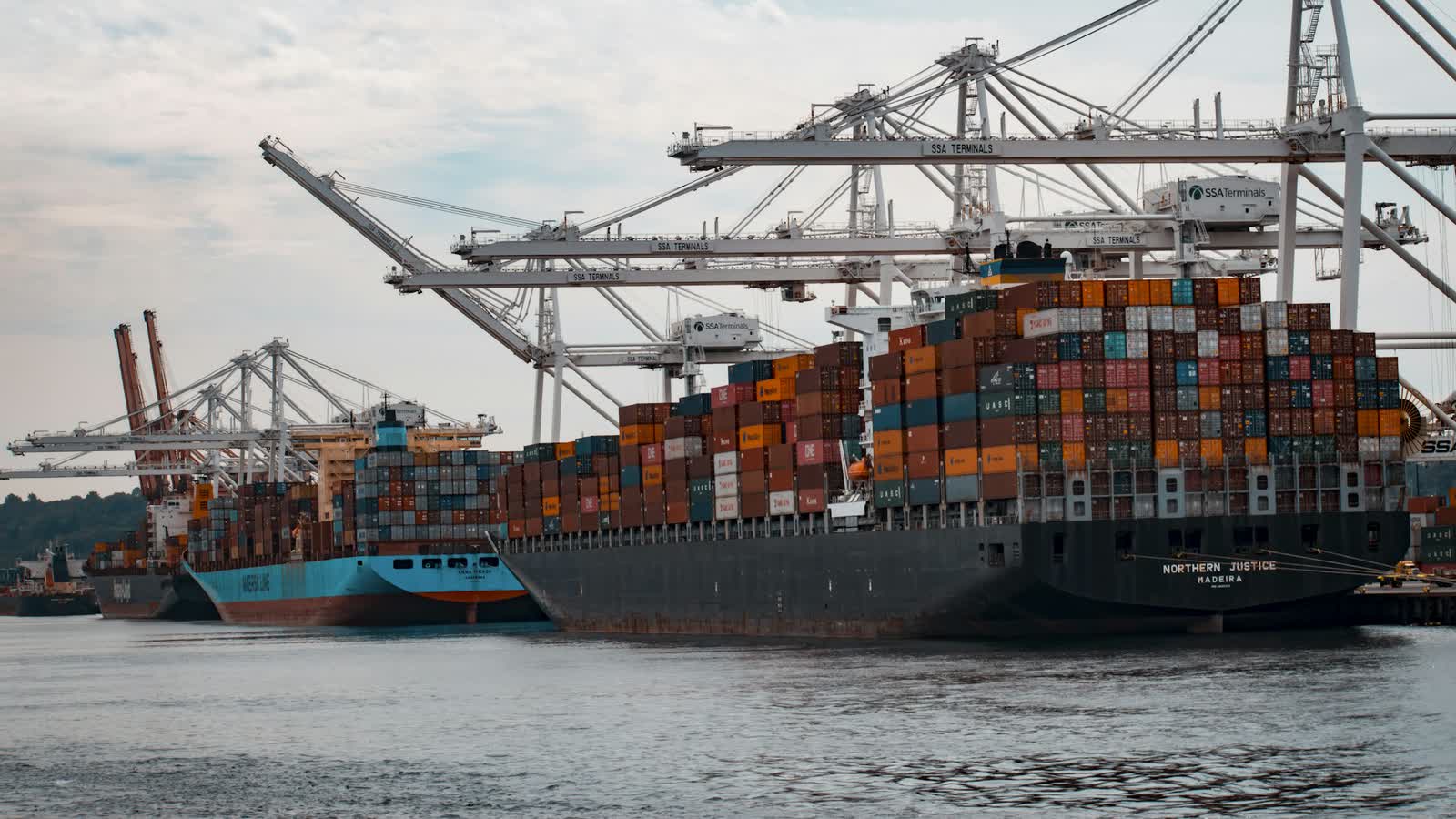
In-Water Class Survey at Panaji Port.
Tell us the vessel, her ETA at Panaji and the window. You get a scope, a crew size and an honest duration — usually the same working day.