
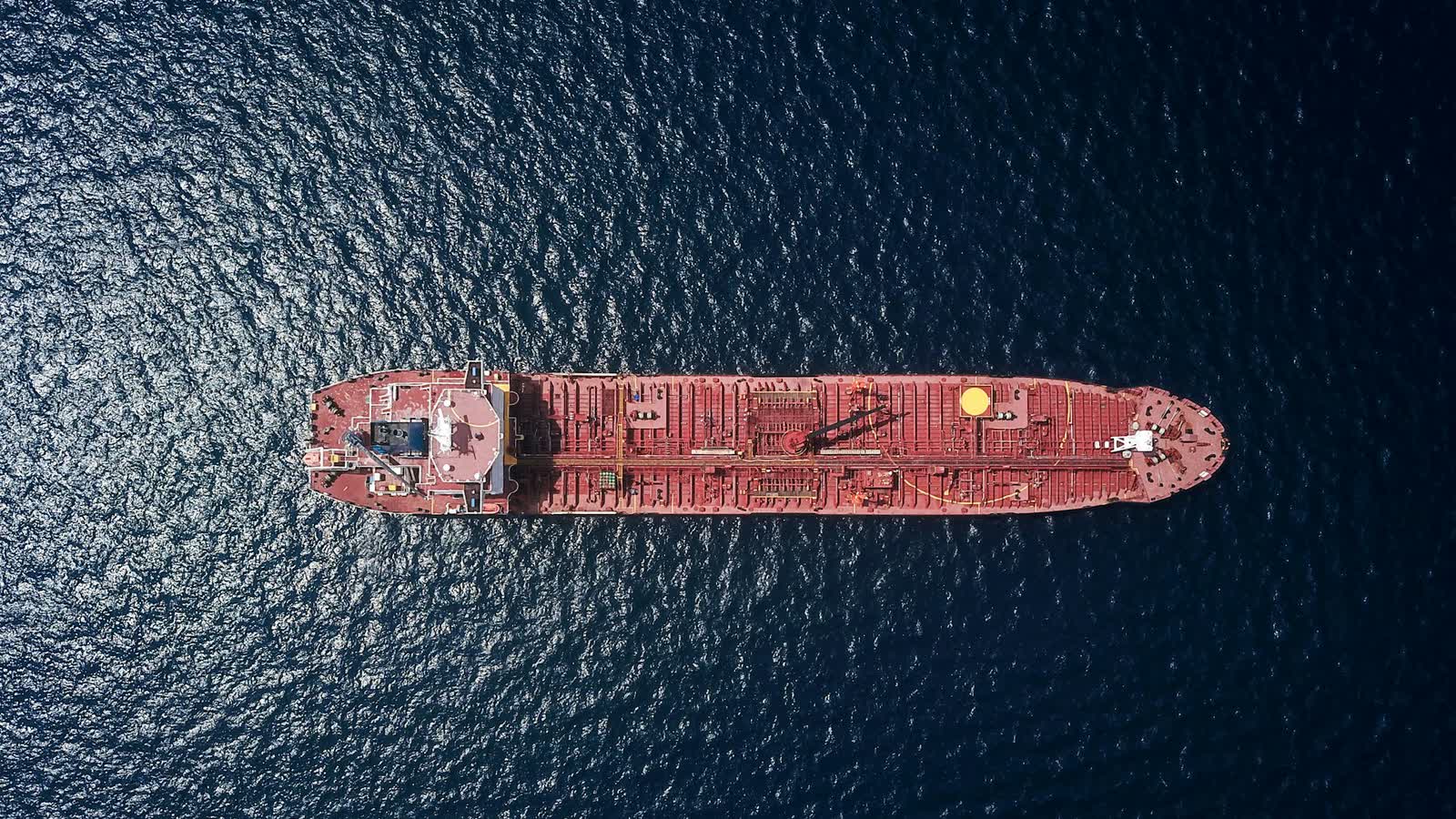
Tank Cleaning in West Africa
Grade changes, sludge removal and shore tanks at 4 West African ports.
Get a quote
Tell us the vessel, the port and the window. Scoped reply, usually the same working day.
Cleanship Marine works 4 West African ports for tank cleaning. Every scope is delivered with the vessel afloat and working — no dry dock, no diversion, no off-hire.
West Africa is defined by two things: long-period Atlantic ground swell that reaches the anchorages on days that look calm, and congestion severe enough that waiting for a berth is the normal state rather than the exception. The swell costs windows; the waiting creates them. Between them they explain why so much in-water work on this coast is done at anchor and why the fouling found is heavier than the trading pattern predicts. Each port page below says what the conditions actually are there, who approves the work, and what the traffic looks like — because scoping against an average is how attendances overrun.
Cleanship holds a base at Conakry, and the West African range has been part of the hull-cleaning service coverage since before the port programme existed. Ports along this coast sit close enough that a single mobilisation routinely covers two or three attendances on one trip.
Coverage at a glance
- Ports covered
- 4
- Operating bases
- 1
- Scopes per port
- 4
- countrys served
- 4
The 4 scopes
One team covers all of them. Most vessels take more than one on the same attendance, which is where the mobilisation cost stops being the expensive part of the job.
Tanker Tank Cleaning — DPP & CPP
Grade change delivered to the surveyor's standard
Service detailsTank Demucking
Sludge out, capacity back
Service detailsShore Tank Cleaning
Terminal tanks returned to service, safely certified
Service detailsOffshore Vessel Tank Cleaning
Mud, brine and base oil tanks turned round between charters
Service details
Ports we cover
Every port below has its own page covering local conditions, the approving authority, vessel traffic and each scope.
Abidjan01
- Abidjan PortCIABJ
State Port · Ébrié Lagoon, via the Vridi Canal
Dakar01
- Dakar PortSNDKR
State Port · Atlantic Ocean
Greater Accra01
- Tema PortGHTEM
State Port · Gulf of Guinea
Maritime Region01
- Lomé PortTGLFW
State Port · Gulf of Guinea
Other service lines in West Africa
Frequently asked — West Africa
Which West African ports does Cleanship cover for tank cleaning?
4 of them: Lomé, Abidjan, Dakar and Tema. Each has its own page covering the local conditions, the approving authority and the vessel traffic that calls there.
Do you have crews based in West Africa?
Yes. Cleanship holds operating bases at Conakry, so people and equipment are held in region rather than mobilised against a window. Teams work out from there to the rest of the coverage.
Can tank cleaning be done without dry docking or off-hire?
Yes. Depending on the terminal and the grade, tank work runs alongside, at anchorage or on the passage out. Where a terminal will not permit work at the berth we say so at quoting stage rather than after mobilisation.
Who approves this work at West African ports?
It varies by port, which is why each page names its own. Port Autonome de Lomé, Port Autonome d'Abidjan, Port Autonome de Dakar, Ghana Ports and Harbours Authority are among the authorities involved, and private terminals add their own approval on top. We obtain all of it as part of the job rather than leaving it with the agent.
How do working conditions differ between West African ports?
Enough that the method changes, which is why every port here has its own page rather than a shared one. Water body, tidal stream, visibility, shelter, waiting pattern, waste reception and — in the Gulf — working temperature all vary port to port, and each of those changes what is realistic in a given window. We scope against the port, not against a regional average.
Can one mobilisation cover more than one vessel or port?
Frequently, and it is worth asking — the mobilisation is usually the largest fixed cost in a small job, so splitting it across two attendances changes the economics more than any rate negotiation will. Ports that sit within a single trip are listed as neighbours on each port page, so you can see at a glance what can be combined.
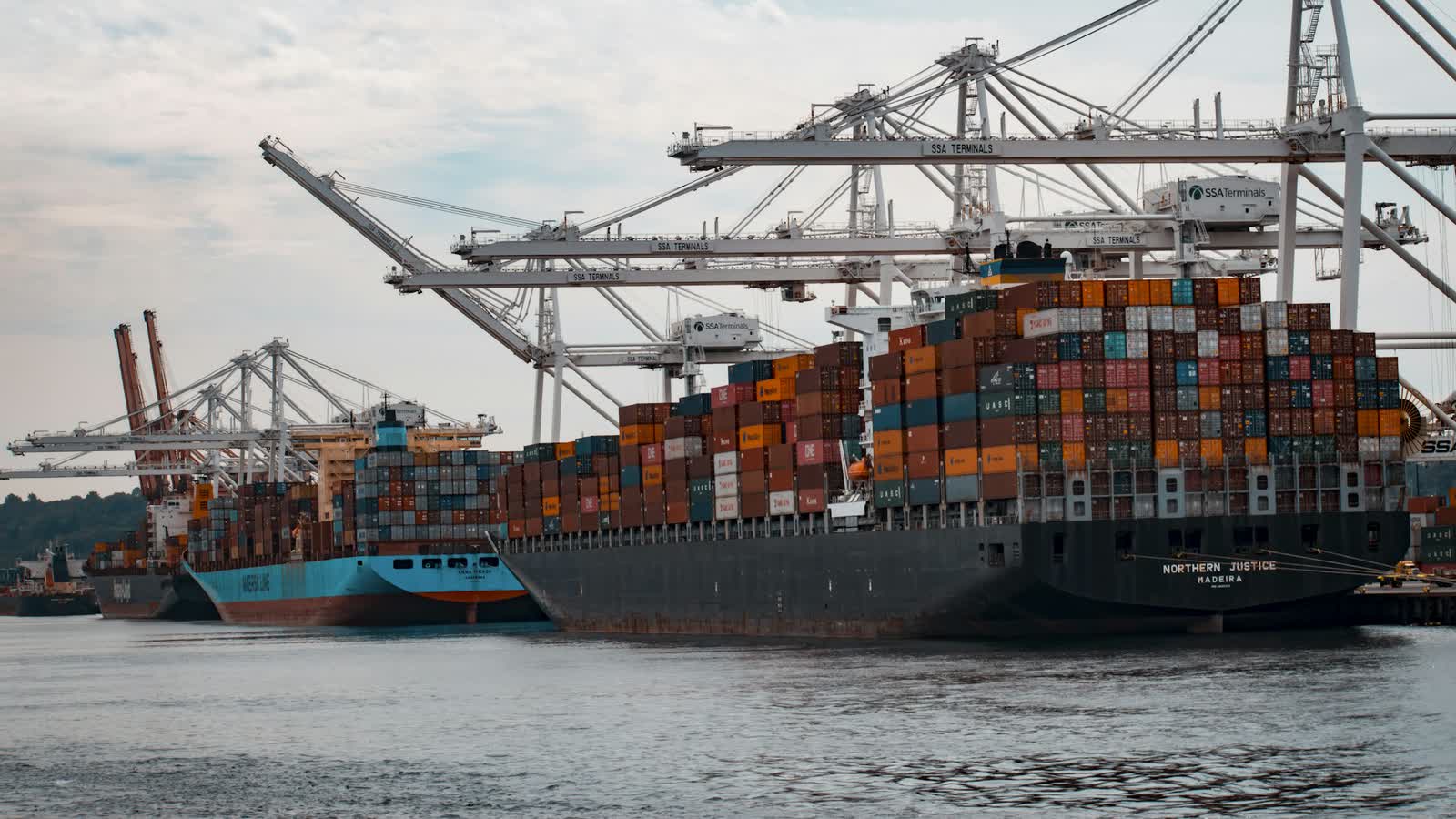
Tank Cleaning at a West Africa port.
Tell us the vessel, the port and the window. You get a scope, a crew size and an honest duration — usually the same working day.