
- The problem
- Five holds carrying petcoke residue, with a grain-clean requirement at the next load port and only a six-day ballast passage available.
- What we did
- An eight-person riding crew joined at the discharge port and worked the holds in sequence across the passage, sweeping and washing forward-to-aft so completed holds had maximum drying time.
- Result
- All five holds presented and passed at the load port with no commercial time lost to cleaning.
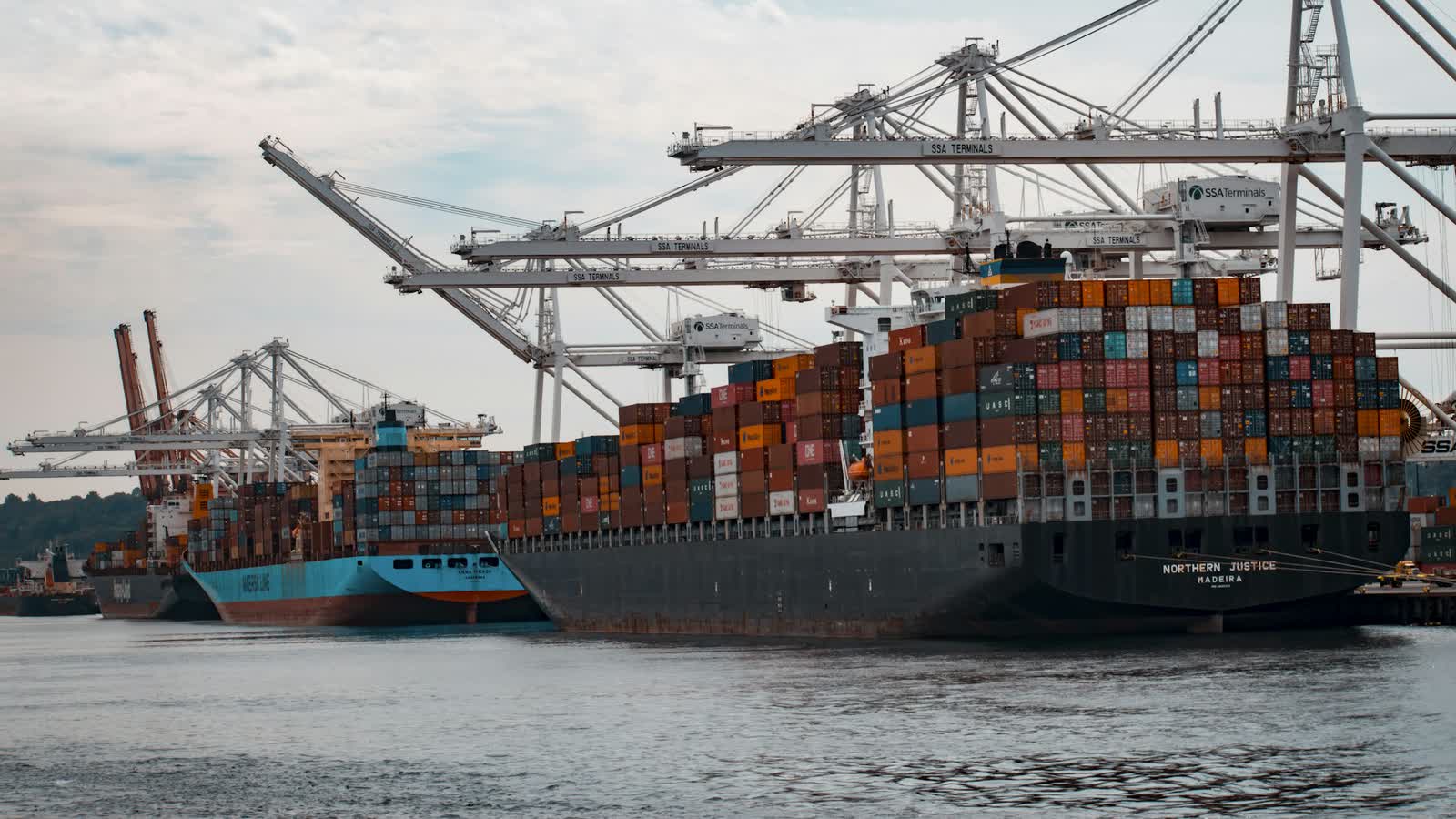
Work that reflects how we operate
Marine cleaning problems repeat in patterns — a cargo pair that fights the coating, a window too short for the holds, a defect found too late to fix before sailing. These are the patterns we plan around.
- The problem
- Grade change from gasoil into jet fuel, with a wall wash requirement and a coating system approaching the end of its service life.
- What we did
- Cycle programme planned against the cargo pair, machine washing followed by manual finishing of bellmouths, coils and structural shadows, then drying and testing before presentation.
- Result
- Tanks presented to the inspector with the coating limitation identified and communicated in advance rather than discovered at test.
- The problem
- Extended period at anchorage in warm water had produced heavy fouling on the flat bottom and calcareous growth on the propeller.
- What we did
- Brush cart cleaning of the full underwater hull with hand work on niche areas, followed by staged propeller polishing to a Class A mirror finish. Carried out at anchorage over two working days.
- Result
- Hull and propeller returned to a smooth condition without off-hire, with before-and-after video issued for the technical file.
- The problem
- Off-charter to on-charter window of under three days, covering mud and brine tanks, cargo deck degreasing and accommodation presentation.
- What we did
- Deck, tank and accommodation scopes run in parallel by a single team, with line and pump flushing included so cross-contamination did not reappear from the system.
- Result
- Vessel presented for on-hire inspection inside the window with observations rectified on the spot.
- The problem
- Thickness gauging in ballast tanks identified wasted plating and cracked brackets requiring rectification ahead of a class survey.
- What we did
- Certified NDT technicians quantified the wastage, then riding fabricators cropped and renewed the affected plating under class-approved procedures and hot-work permit.
- Result
- Repairs NDT tested and presented to the attending surveyor within the same mobilisation, avoiding a second contractor call-out.
- The problem
- Heavy compacted sludge around bellmouths and heating coils requiring removal before a gas-free-for-hot-work certificate could be pursued.
- What we did
- Rotating teams worked under full enclosed-space entry regime with continuous monitoring and manned rescue standby, with residues quantified and landed to an approved facility.
- Result
- Tanks cleared and washed down, with independent certification arranged separately as the correct next step.
Note: the entries above are illustrative scope patterns showing how we approach typical jobs — not records of specific completed contracts. Replace them with real project write-ups (with client permission) and delete this notice before launch.
Every service line, one mobilisation
Most of our work is multi-scope. Cleaning, inspection and repair delivered together removes the handover delays that dominate a timeline when trades are split across contractors.
Have a scope you want assessed?
Send the vessel, the previous cargo and the port. We tell you what the job actually needs — including when it is less than you expected.

