
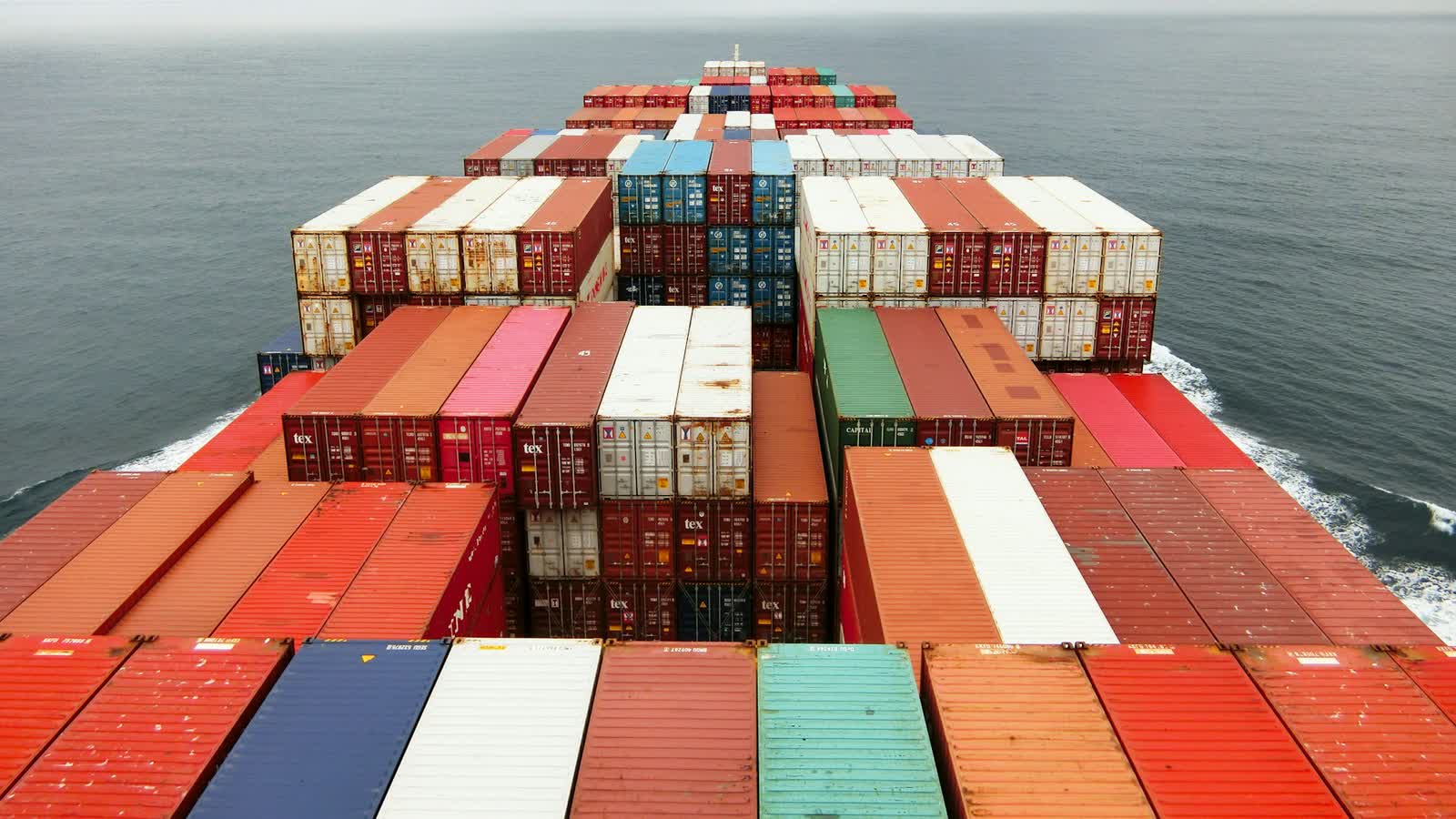
Hold Cleaning in Sri Lanka
Holds ready for the next fixture at 4 Sri Lankan ports.
Get a quote
Tell us the vessel, the port and the window. Scoped reply, usually the same working day.
Cleanship Marine works 4 Sri Lankan ports for hold cleaning. Every scope is delivered with the vessel afloat and working — no dry dock, no diversion, no off-hire.
Sri Lanka is the one market on this list where there is almost always a workable coast. The south-west monsoon closes Colombo and Galle from May to September while Trincomalee on the east stays open; the north-east monsoon from December to February reverses it. Planned properly, that means a vessel on an Indian Ocean rotation can nearly always be met somewhere on the island. Each port page below says what the conditions actually are there, who approves the work, and what the traffic looks like — because scoping against an average is how attendances overrun.
Cleanship holds an office in Colombo, which sits directly on the rotation for vessels working the Indian coverage — a single mobilisation frequently covers a Colombo call and an Indian port on the same trip.
Coverage at a glance
- Ports covered
- 4
- Operating bases
- 1
- Scopes per port
- 3
- provinces served
- 4
The 3 scopes
One team covers all of them. Most vessels take more than one on the same attendance, which is where the mobilisation cost stops being the expensive part of the job.
Ports we cover
Every port below has its own page covering local conditions, the approving authority, vessel traffic and each scope.
Eastern Province01
- Trincomalee PortLKTRR
State Port · Bay of Bengal
North Western Province01
- Puttalam PortLKPTL
State Port · Puttalam Lagoon
Southern Province01
- Galle PortLKGAL
State Port · Indian Ocean
Western Province01
- Colombo PortLKCMB
Major Port · Indian Ocean
Other service lines in Sri Lanka
Frequently asked — Sri Lanka
Which Sri Lankan ports does Cleanship cover for hold cleaning?
4 of them: Colombo, Galle, Trincomalee and Puttalam. Each has its own page covering the local conditions, the approving authority and the vessel traffic that calls there.
Do you have crews based in Sri Lanka?
Yes. Cleanship holds operating bases at Colombo, so people and equipment are held in region rather than mobilised against a window. Teams work out from there to the rest of the coverage.
Can hold cleaning be done without dry docking or off-hire?
Yes. Shore gangs work alongside during or after discharge, and riding crews complete the holds on the passage out, so the cleaning costs no port time at all. Neither takes the vessel off hire.
Who approves this work at Sri Lankan ports?
It varies by port, which is why each page names its own. Sri Lanka Ports Authority are among the authorities involved, and private terminals add their own approval on top. We obtain all of it as part of the job rather than leaving it with the agent.
How do working conditions differ between Sri Lankan ports?
Enough that the method changes, which is why every port here has its own page rather than a shared one. Water body, tidal stream, visibility, shelter, waiting pattern, waste reception and — in the Gulf — working temperature all vary port to port, and each of those changes what is realistic in a given window. We scope against the port, not against a regional average.
Can one mobilisation cover more than one vessel or port?
Frequently, and it is worth asking — the mobilisation is usually the largest fixed cost in a small job, so splitting it across two attendances changes the economics more than any rate negotiation will. Ports that sit within a single trip are listed as neighbours on each port page, so you can see at a glance what can be combined.
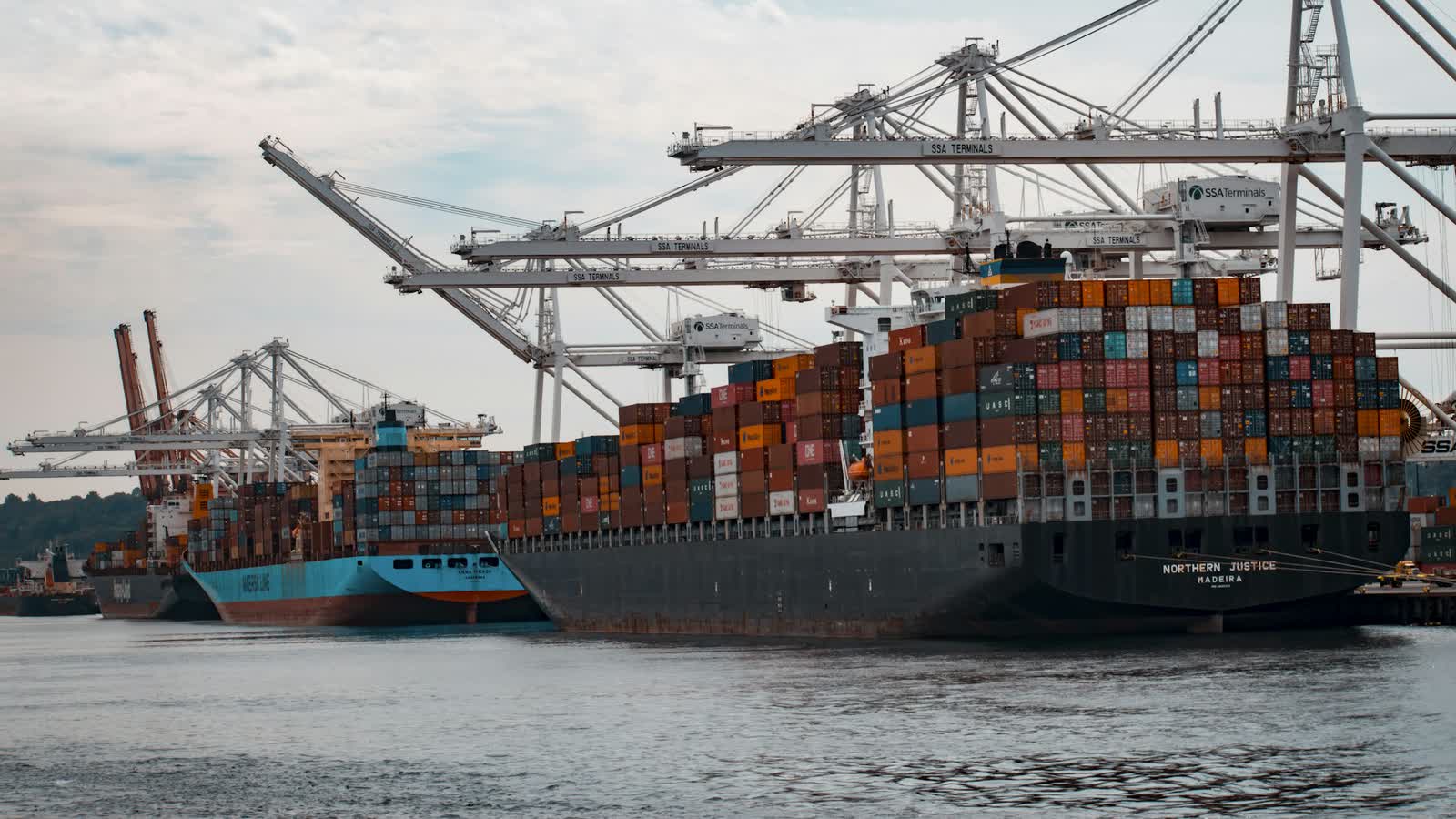
Hold Cleaning at a Sri Lanka port.
Tell us the vessel, the port and the window. You get a scope, a crew size and an honest duration — usually the same working day.