
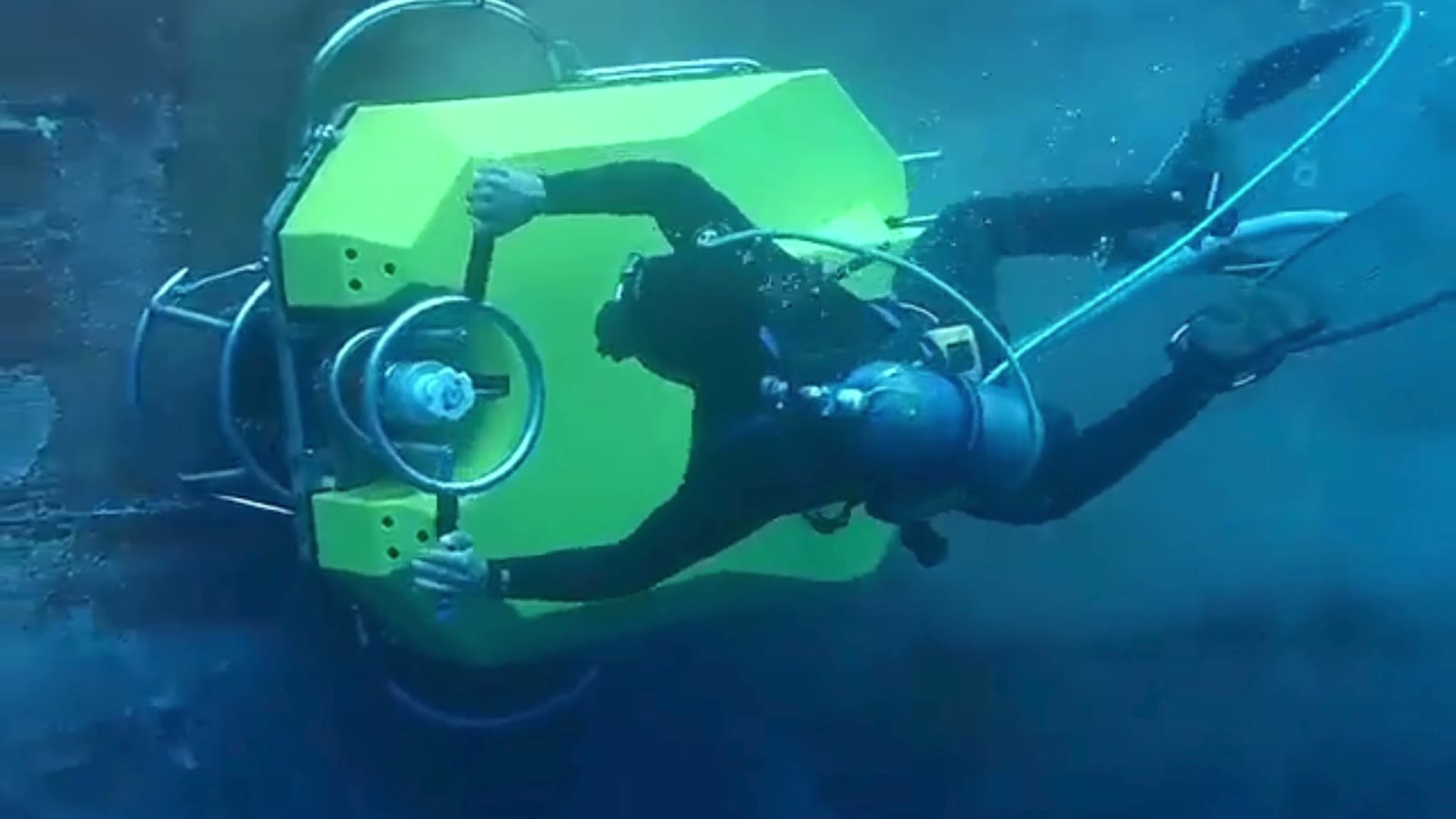
Underwater Hull Cleaning
Keep your hull clean. Keep your vessel moving.
- Complete underwater hull cleaning — vertical sides, flat bottom, bilge keels, sea chests and hard-to-reach areas
- Coating-safe cleaning — brush hardness and method selected against the vessel's antifouling coating
- Thorough marine growth removal from critical underwater areas and hull surfaces
Get a quote
Tell us the vessel, the port and the window. Scoped reply, usually the same working day.
Cleanship provides comprehensive underwater hull cleaning while the vessel remains afloat, covering vertical sides, flat bottoms, bilge keels, sea chests and difficult-to-reach areas. Our trained marine teams use professional diver-operated equipment and specialised hand tools to ensure thorough and controlled cleaning.
Regular hull cleaning helps remove marine growth before it becomes firmly established, supporting a smoother hull surface, better vessel performance and improved fuel efficiency. Operations can be carried out alongside or at anchorage, day or night, with minimal disruption to normal vessel activities.
What you get
- Complete underwater hull cleaning — vertical sides, flat bottom, bilge keels, sea chests and hard-to-reach areas
- Coating-safe cleaning — brush hardness and method selected against the vessel's antifouling coating
- Thorough marine growth removal from critical underwater areas and hull surfaces
- Before-and-after documentation — photographic and video records that verify the result
- Minimal operational disruption — carried out alongside or at anchorage while vessel operations continue
Where we deliver this
- India (33 ports)
- UAE
- Togo
- Côte d'Ivoire
- Liberia
- Sierra Leone
- Guinea
- Guinea-Bissau
- The Gambia
- Senegal
Scope of work
What is included as standard. Anything outside this is quoted separately and flagged before mobilisation, never added afterwards.
- 01
Fouling survey
A pre-clean dive establishes fouling type, coverage and severity, and confirms coating condition so the correct tooling is selected.
- 02
Flat bottom and vertical sides
Brush cart cleaning of large areas, removing slime, weed and shell growth to restore surface smoothness.
- 03
Niche areas
Hand cleaning of bilge keels, bow thruster tunnels, rudder, stern frame, anodes and other niche areas where fouling concentrates.
- 04
Sea chests and gratings
Sea chest gratings and inlet openings cleared of growth and debris to restore cooling water flow.
- 05
Documentation
Underwater video and stills before and after, with a written report covering coating condition and anode wastage.
How we deliver it
- 01
Permits and approvals
Port authority diving permission and any environmental approval for in-water cleaning are obtained before mobilisation.
- 02
Safety setup
Vessel is secured for diving — main engine and thrusters immobilised, sea suctions confirmed shut, and a permit agreed with the master.
- 03
Cleaning dives
Teams work the hull in planned panels under surface supervision with continuous diver communications and video.
- 04
Report and debrief
Completion report with video evidence is issued and the coating and anode condition discussed with the vessel.
Frequently asked
What is underwater hull cleaning?
Underwater hull cleaning is the process of removing marine growth, algae, barnacles, and biofouling from a vessel's hull while it remains afloat. CleanShip Marine uses professional divers and specialized equipment to clean hulls without dry-docking, saving time and cost.
Why is underwater hull cleaning important for ships?
Marine growth on a hull increases drag, which raises fuel consumption and reduces vessel speed. Regular underwater hull cleaning restores hydrodynamic efficiency, improves fuel efficiency, lowers emissions, and extends the hull's coating life.
How often should a ship's hull be cleaned underwater?
Cleaning frequency depends on vessel trading routes, water temperature, and coating type, but most vessels benefit from underwater hull cleaning every 3-6 months to prevent heavy fouling buildup and maintain optimal fuel performance.
Does underwater hull cleaning require dry docking?
No. One of the biggest advantages of in-water hull cleaning is that it is performed by divers while the vessel is docked or anchored, eliminating costly dry-dock downtime and keeping the ship in service.
What equipment and methods do you use for hull cleaning?
CleanShip Marine uses diver-operated brush systems, ROV-assisted inspection tools, and eco-friendly cleaning techniques designed to remove hull fouling safely without damaging antifouling coatings or the ship's hull surface.
Do you offer propeller polishing along with hull cleaning?
Yes. Our underwater hull cleaning service includes propeller polishing, which removes marine growth and corrosion from propeller blades to restore smooth rotation, improve thrust efficiency, and reduce fuel costs.
Is underwater hull cleaning safe for the vessel's coating?
Yes. Our divers use controlled-pressure cleaning methods calibrated to the hull's antifouling coating type, ensuring effective marine growth removal without stripping or damaging the paint system.
How does underwater hull cleaning improve fuel efficiency?
A clean hull reduces drag through water, allowing the vessel to move more efficiently. Studies show that heavy hull fouling can increase fuel consumption significantly - regular hull cleaning helps recover lost efficiency and cut fuel costs.
Do you provide underwater hull inspection and video survey reports?
Yes. Along with cleaning, we offer underwater video survey and hull condition inspection reports, giving shipowners and fleet managers documented evidence of hull condition for compliance and maintenance records.
Is underwater hull cleaning environmentally safe?
Yes. CleanShip Marine follows eco-friendly hull cleaning practices and complies with port and environmental regulations to safely capture debris and prevent invasive marine species from spreading during the cleaning process.
Which vessels can use your underwater hull cleaning service?
We provide underwater hull cleaning services for bulk carriers, tankers, container ships, and offshore vessels of all sizes, with divers mobilized to ports worldwide on request.
How do I book an underwater hull cleaning service?
You can request a quote for underwater hull cleaning directly through our website, or contact our team by phone, email, or WhatsApp, and we'll schedule diver mobilization at your vessel's port of call.
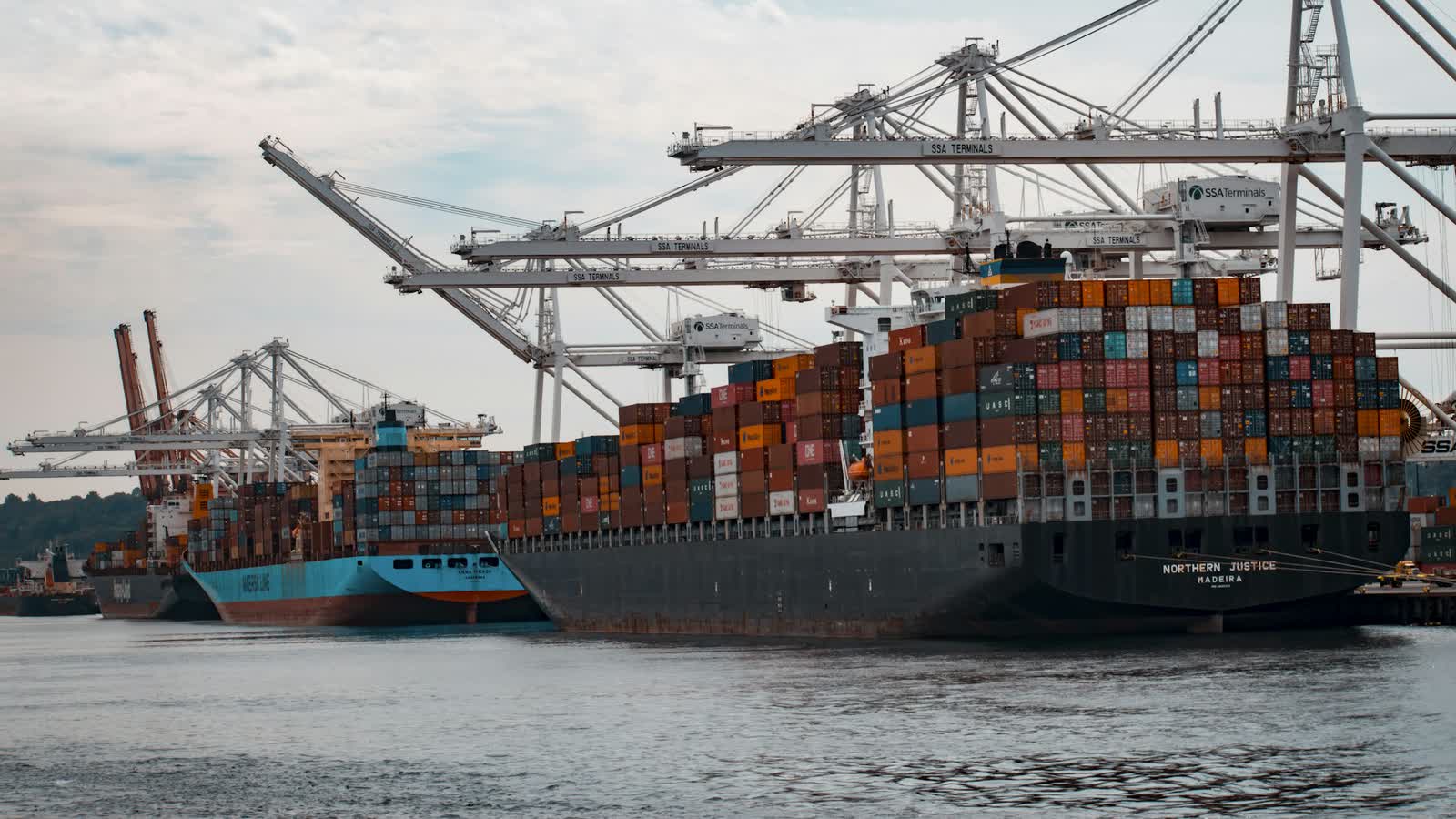
Ready when you are.
Tell us the vessel, the port and the window. You get a scope, a crew size and an honest duration — usually the same working day.