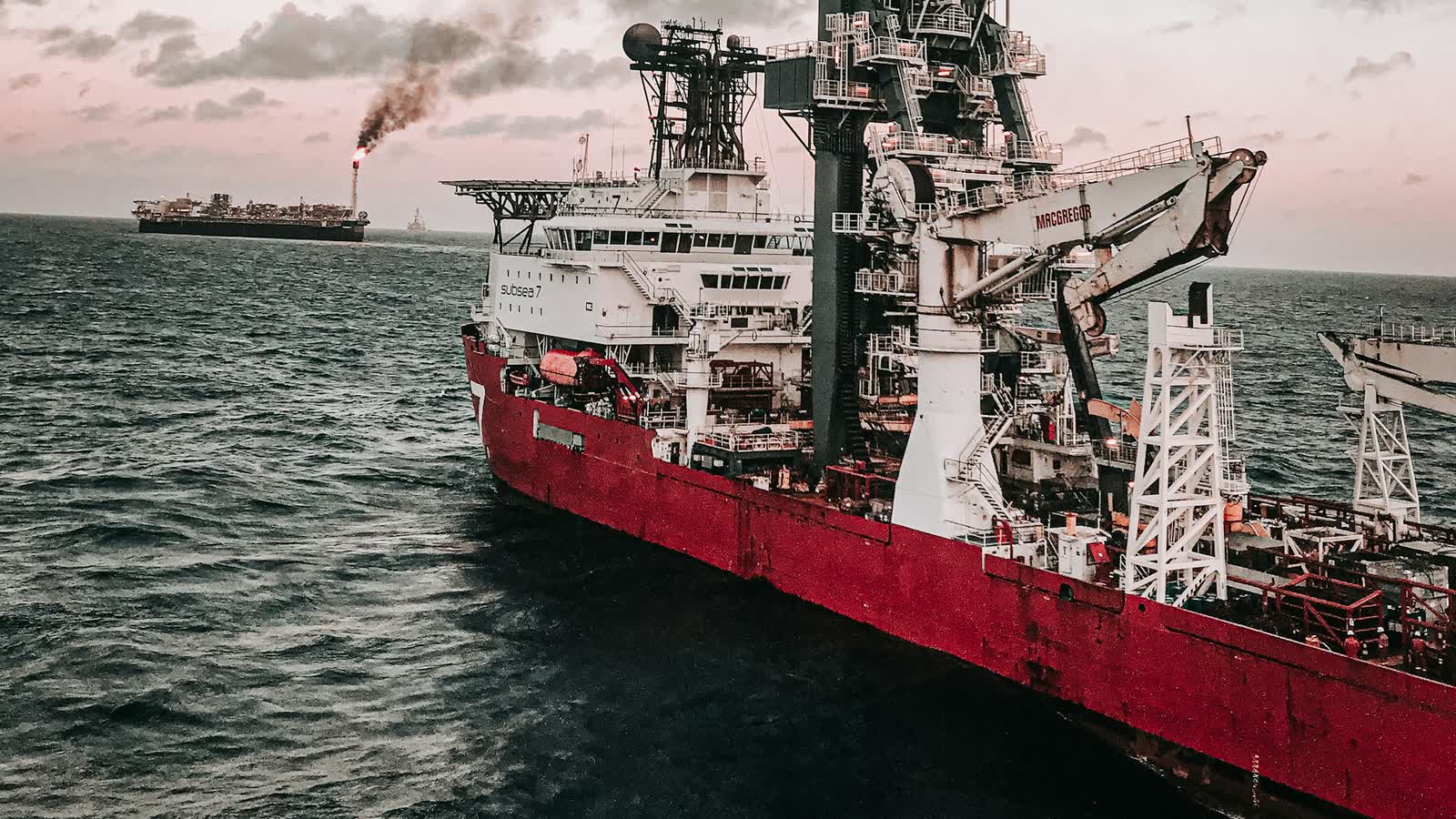
Offshore Vessel Tank Cleaning at Lomé Port
Mud, brine and base oil tanks turned round between charters
Get a quote
Tell us the vessel, the port and the window. Scoped reply, usually the same working day.
Cleanship Marine cleans offshore support vessel tanks at Lomé Port, Maritime Region — drilling mud, brine, base oil, cement and bulk tanks turned round between charters and prepared for the next product.
An OSV between charters is an asset earning nothing, and the tank turnaround is usually the item on the critical path. The products involved — mud, brine, base oil, cement — each leave a different residue and need a different method, so the plan is built product by product rather than tank by tank.
What it gets you
- Vessel handed to the next charter on time rather than held on the tank turnaround
- Cross-contamination between products avoided
- Inspection passed at the first attempt
- Disposal documented, not improvised
Working conditions at Lomé
Work here runs both alongside and at anchorage depending on the call, and on the passage out where neither gives enough time. The combination of Atlantic swell and rain sets the outer limits of the calendar, with the heaviest rain from May to October and swell running year-round, and it affects the anchorage far more than the berth. Humidity is high year-round and the rains make it worse, which matters more than temperature for enclosed-space work: holds will not dry, and a hold that cannot be dried cannot be closed. Approval runs through Port Autonome de Lomé and the terminal operator, and licensed slop reception is booked before the tanks are opened — at most ports on this list that booking, not the cleaning, is what sets the date.
- Where we work
- Container terminal berths · Bunkering anchorage · General cargo and bulk berths
- Vessels we see here
- Main-line and feeder container ships · Bunker tankers and barges · Handysize bulk carriers · General cargo ships
What we do at Lomé
- Product-specific cleaning plan for mud, brine, base oil, cement and bulk tanks
- Gas-freeing, atmosphere testing and enclosed-space entry certification
- Manual and mechanical cleaning of tanks, lines, valves and pump rooms
- Preparation and presentation for the incoming charterer's inspection
- Residue and washings disposed of through licensed reception at Lomé
- Tank-by-tank completion record for the vessel and the charterer
Planning the window at Lomé
The combination of Atlantic swell and rain governs the calendar at Lomé Port, with the heaviest rain from May to October and swell running year-round. For tank work it is the anchorage that suffers — where the terminal will not permit work alongside, weather that closes the anchorage closes the job. Whether the work runs alongside, at anchorage or on passage depends on the terminal and the grade, so the plan is built against the actual call. Where a terminal will not permit tank work at the berth, we say so at quoting stage rather than after mobilisation.
Teams mobilise via Lomé (LFW), so give us the ETA as early as you have it — the travel is the flexible part, the approvals and the working window are not.
What we typically find at Lomé
Product parcels and bunkers dominate the liquid traffic here, so most of the work is grade changes and fuel and slop tank cleaning rather than full chemical specification work.
What we find depends on whether the vessel has had time at anchorage or come straight off a berth, so the tank condition is confirmed on inspection rather than assumed from the previous cargo alone.
Standard scope of work
Included as standard on every offshore vessel tank cleaning attendance, wherever the vessel is. Anything outside it is quoted separately and flagged before mobilisation, never added afterwards.
- Fluid recovery and stripping
- Residual mud, brine and base oil are recovered and transferred to nominated tanks, road tankers or shore reception.
- Tank washing
- Machine and manual washing appropriate to the fluid type, with particular attention to settled solids in mud and cement tanks.
- Line and pump flushing
- Associated pipework, pumps and manifolds are flushed so cross-contamination does not reappear from the system after the tank is clean.
- Survey preparation
- Tanks are cleaned and dried to a condition suitable for coating inspection and class survey attendance.
- Waste management
- Recovered fluids and solids are consolidated and landed to licensed facilities with manifests issued.
How we deliver it at Lomé
- 1
Scope and vessel details
Tell us the vessel, her particulars, the prior and next grade and the window at Lomé. We come back with a defined scope, a crew size and a duration we will stand behind. Where the conditions here will not support what has been asked for, we say so at this stage rather than after mobilisation.
- 2
Approvals, slops and certification
Port Autonome de Lomé approves the work alongside the local harbour master, and at a state port that conversation is quicker but less formal — it is worth having in writing. Licensed slop and sludge reception is booked and marine chemist attendance arranged where the grade change requires it. At Lomé the disposal route is the item that most often sets the schedule, so it is fixed first.
- 3
Mobilisation to Lomé
Crews, pumps, machines and chemicals mobilise via Lomé (LFW). Where a vessel is also calling at Kpémé, one mobilisation is normally sized to cover both.
- 4
Gas-freeing, entry and cleaning
Atmosphere testing, gas-freeing and enclosed-space entry certification come before any entry, and are repeated after every break. Standby cover and atmosphere monitoring run continuously while anyone is inside, and progress is reported tank by tank.
- 5
Report and handover
A completion report covering offshore vessel tank cleaning is issued with before-and-after imagery, tank by tank and anything found that you should know about. The findings are discussed with the vessel rather than emailed and forgotten.
Lomé Port at a glance
- UN/LOCODE
- TGLFW
- Port type
- State Port
- State
- Maritime Region
- Country
- Togo
- Water body
- Gulf of Guinea
- Port authority
- Port Autonome de Lomé
- Main cargoes
- Containers and transhipment, Bunkers, Clinker and cement, General cargo, Cotton and agricultural bulk
- Crew mobilisation
- Lomé (LFW)
- Services here
- Hull Cleaning, Hold Cleaning and Tank Cleaning
Frequently asked — OSV Tank Cleaning at Lomé
Do you provide offshore vessel tank cleaning at Lomé Port?
Yes. Cleanship Marine works Lomé Port (TGLFW) in Maritime Region, Togo, covering the container terminal berths, bunkering anchorage, general cargo and bulk berths. Teams mobilise via Lomé (LFW) with the full spread.
Can offshore vessel tank cleaning be done while the vessel works cargo at Lomé?
It depends on the terminal and the grade. Some berths here permit tank work alongside and some do not; we establish which before the vessel arrives and plan for the anchorage or the passage where the answer is no. The vessel stays on hire throughout, and there is no diversion and no dry dock. We scope against the conditions at Lomé and tell you honestly whether the window you have is enough.
How is slop and sludge disposal handled at Lomé?
Through licensed reception, booked with Port Autonome de Lomé and the terminal operator before the tanks are opened. At Lomé the disposal route is usually what sets the schedule, so it is fixed first and documented tank by tank. Gas-freeing, atmosphere testing and enclosed-space entry certification are part of the same scope.
Where is the work done at Lomé — alongside, at anchorage or on passage?
Work here runs both alongside and at anchorage depending on the call, and on the passage out where neither gives enough time. Between June and September the binding constraint is working temperature inside the space rather than access to it.
Which vessels do you carry out offshore vessel tank cleaning on at Lomé?
Main-line and feeder container ships, Bunker tankers and barges, Handysize bulk carriers, General cargo ships — the traffic at Lomé Port runs to containers and transhipment, bunkers, clinker and cement, so those are the profiles we see most. The scope is sized to the vessel, not to a standard package.
How quickly can a team mobilise to Lomé?
Crews and equipment mobilise via Lomé (LFW). Give us the ETA and the window and we will confirm what is achievable rather than promise a date we cannot hold. Where the vessel also calls at Tema, one mobilisation is often sized to cover both.
What does offshore vessel tank cleaning at Lomé cost?
It depends on the tank count and volume, the prior and next grade, how much sludge is in there and whether the work runs alongside, at anchorage or on passage from Lomé. We would rather scope it properly and give you a specific figure than quote a headline rate that changes once the work starts. Send the details and the window at Lomé and you get a scoped price, usually the same working day.
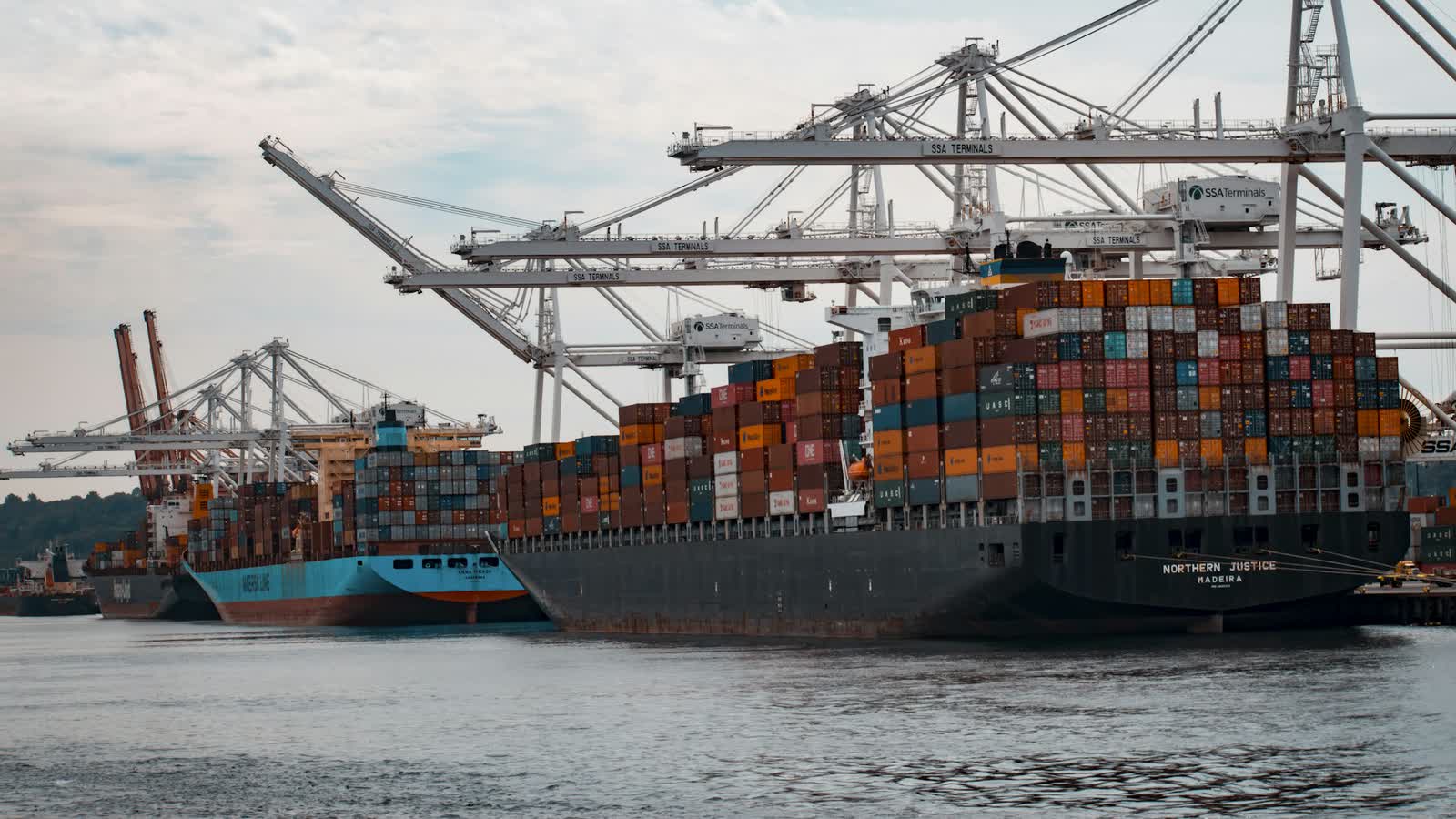
Offshore Vessel Tank Cleaning at Lomé Port.
Tell us the vessel, her ETA at Lomé and the window. You get a scope, a crew size and an honest duration — usually the same working day.