
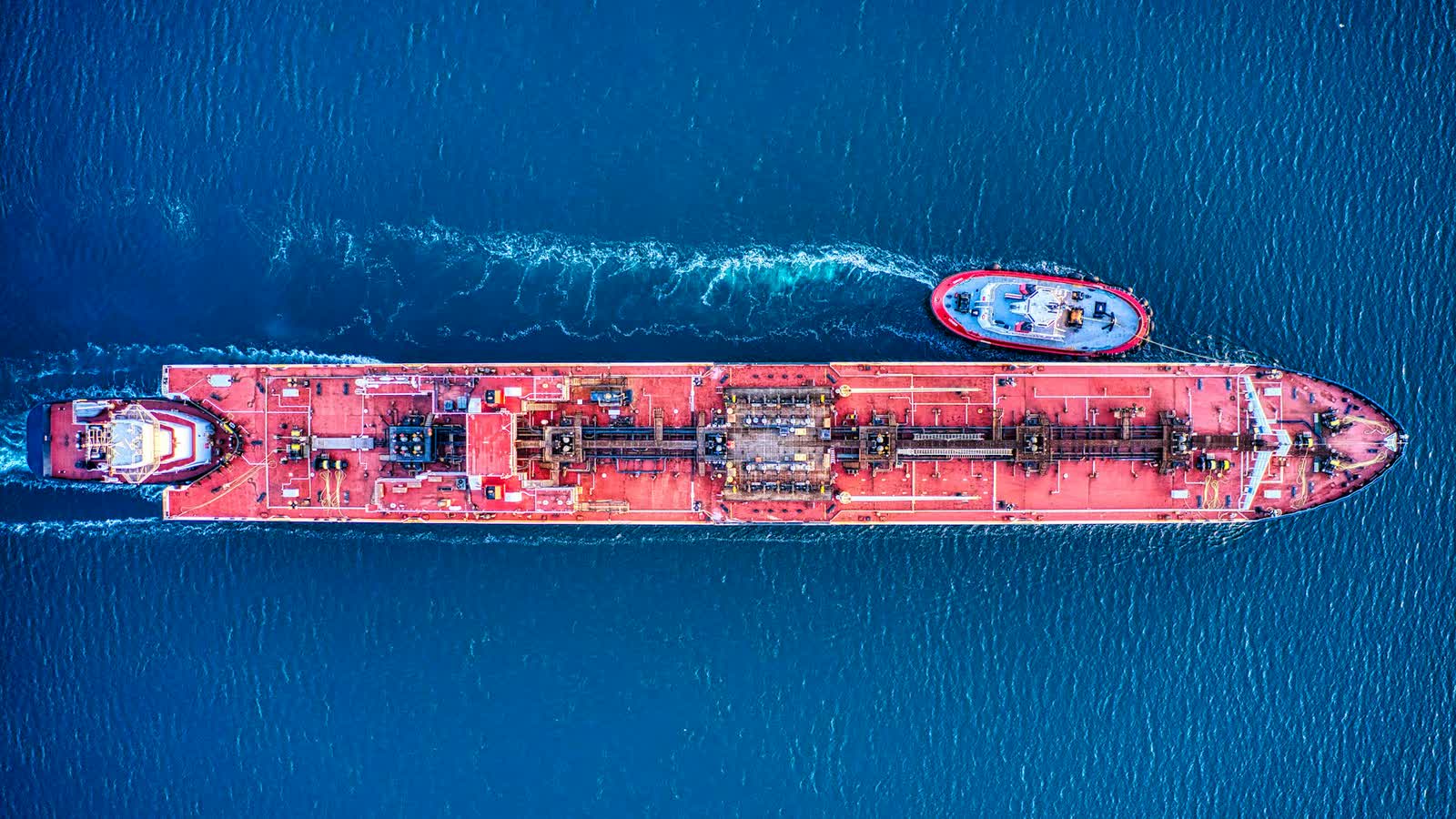
Shore Tank Cleaning at Visakhapatnam Port
Terminal tanks returned to service, safely certified
Get a quote
Tell us the vessel, the port and the window. Scoped reply, usually the same working day.
Cleanship Marine cleans shore storage tanks at the terminals serving Visakhapatnam Port, Andhra Pradesh — product changeovers, inspection preparation and statutory maintenance, delivered under a full enclosed-space and hot-work regime.
A shore tank out of service is storage capacity earning nothing, so the schedule matters as much as the standard. Visakhapatnam is the principal major port on the Andhra coast, handling iron ore, coal, crude and containers, with Hindustan Shipyard and a naval dockyard in the same waters. Cleanship keeps an operating base at Visakhapatnam, so divers, compressors and cleaning gear are held locally rather than flown in against a berth window. Work is planned with the terminal's own permit system and safety case, and the certification chain — gas-free, entry, hot work where needed — is treated as the critical path it actually is.
What it gets you
- Tank returned to service on a schedule the terminal can plan around
- Inspection or recoating preparation done to a standard the inspector accepts
- Waste and sludge disposal fully documented
- Work carried out under the terminal's permit system, not alongside it
Working conditions at Visakhapatnam
Work here runs both alongside and at anchorage depending on the call, and on the passage out where neither gives enough time. The north-east monsoon sets the outer limits of the calendar, roughly October to December, and it affects the anchorage far more than the berth. Approval runs through Visakhapatnam Port Authority and the terminal operator, and licensed slop reception is booked before the tanks are opened — at most ports on this list that booking, not the cleaning, is what sets the date.
- Where we work
- Inner harbour berths · Outer harbour · Anchorage
- Vessels we see here
- Capesize and Panamax bulk carriers · Crude and product tankers · Container ships · Offshore and naval auxiliary craft
What we do at Visakhapatnam
- Method statement and risk assessment agreed with the terminal before mobilisation
- Draining, purging, gas-freeing and atmosphere monitoring throughout
- Sludge and residue removal, floor and shell cleaning, roof and internal structure
- Preparation for internal inspection, thickness measurement or recoating
- Waste transferred to licensed disposal under the rules in force at Visakhapatnam
- Certification and completion documentation for the terminal's records
Planning the window at Visakhapatnam
The north-east monsoon governs the calendar at Visakhapatnam Port, roughly October to December. For tank work it is the anchorage that suffers — where the terminal will not permit work alongside, weather that closes the anchorage closes the job. Whether the work runs alongside, at anchorage or on passage depends on the terminal and the grade, so the plan is built against the actual call. Where a terminal will not permit tank work at the berth, we say so at quoting stage rather than after mobilisation.
Cleanship holds an operating base at Visakhapatnam, so we can hold a team ready against a shifting ETA rather than committing travel to a date that may move.
What we typically find at Visakhapatnam
Crude parcels here mean sludge, not just residue. The volume that comes out of a crude tank is a disposal problem as much as a cleaning one, so slop reception and licensed disposal are arranged before the work starts rather than discovered after it.
What we find depends on whether the vessel has had time at anchorage or come straight off a berth, so the tank condition is confirmed on inspection rather than assumed from the previous cargo alone.
Standard scope of work
Included as standard on every shore tank cleaning attendance, wherever the vessel is. Anything outside it is quoted separately and flagged before mobilisation, never added afterwards.
- Product and residue removal
- Remaining product is stripped and transferred, and pumpable sludge is recovered to nominated tankage or road tankers.
- Sludge treatment and oil recovery
- Where volumes justify it, sludge is treated to recover saleable hydrocarbon and reduce the mass sent to disposal.
- Washing and degreasing
- Shell, floor, roof structure and internal fittings are washed and degreased to the standard required by the next activity.
- Gas-freeing and monitoring
- Forced ventilation to safe-for-entry or gas-free-for-hot-work condition, with continuous atmospheric monitoring throughout occupancy.
- Inspection preparation
- Floor plates, annular rings, weld seams and roof supports are cleaned to a condition that allows meaningful thickness measurement and visual inspection.
How we deliver it at Visakhapatnam
- 1
Scope and vessel details
Tell us the vessel, her particulars, the prior and next grade and the window at Visakhapatnam. We come back with a defined scope, a crew size and a duration we will stand behind. Where the conditions here will not support what has been asked for, we say so at this stage rather than after mobilisation.
- 2
Approvals, slops and certification
Visakhapatnam Port Authority runs a statutory permit process here, so the lead time is real and the application goes in early rather than on arrival. Licensed slop and sludge reception is booked and marine chemist attendance arranged where the grade change requires it. At Visakhapatnam the disposal route is the item that most often sets the schedule, so it is fixed first.
- 3
Mobilisation to Visakhapatnam
Cleanship holds an operating base at Visakhapatnam, so crews, pumps, machines and chemicals are on the ground rather than in transit. That is the difference between meeting a window and missing it.
- 4
Gas-freeing, entry and cleaning
Atmosphere testing, gas-freeing and enclosed-space entry certification come before any entry, and are repeated after every break. Standby cover and atmosphere monitoring run continuously while anyone is inside, and progress is reported tank by tank.
- 5
Report and handover
A completion report covering shore tank cleaning is issued with before-and-after imagery, tank by tank and anything found that you should know about. The findings are discussed with the vessel rather than emailed and forgotten.
Visakhapatnam Port at a glance
- UN/LOCODE
- INVTZ
- Port type
- Major Port
- State
- Andhra Pradesh
- Country
- India
- Water body
- Bay of Bengal
- Port authority
- Visakhapatnam Port Authority
- Main cargoes
- Iron ore and pellets, Coking and thermal coal, Crude and POL, Containers, Fertiliser, Alumina
- Crew mobilisation
- Visakhapatnam (VTZ)
- Services here
- Hull Cleaning, Hold Cleaning and Tank Cleaning
Frequently asked — Shore Tank Cleaning at Visakhapatnam
Do you provide shore tank cleaning at Visakhapatnam Port?
Yes. Cleanship Marine works Visakhapatnam Port (INVTZ) in Andhra Pradesh, India, covering the inner harbour berths, outer harbour and anchorage. We hold an operating base at Visakhapatnam, so people and equipment are held locally rather than mobilised against a window.
Can shore tank cleaning be done while the vessel works cargo at Visakhapatnam?
It depends on the terminal and the grade. Some berths here permit tank work alongside and some do not; we establish which before the vessel arrives and plan for the anchorage or the passage where the answer is no. The vessel stays on hire throughout, and there is no diversion and no dry dock. We scope against the conditions at Visakhapatnam and tell you honestly whether the window you have is enough.
How is slop and sludge disposal handled at Visakhapatnam?
Through licensed reception, booked with Visakhapatnam Port Authority and the terminal operator before the tanks are opened. At Visakhapatnam the disposal route is usually what sets the schedule, so it is fixed first and documented tank by tank. Gas-freeing, atmosphere testing and enclosed-space entry certification are part of the same scope.
Where is the work done at Visakhapatnam — alongside, at anchorage or on passage?
Work here runs both alongside and at anchorage depending on the call, and on the passage out where neither gives enough time.
Which vessels do you carry out shore tank cleaning on at Visakhapatnam?
Capesize and Panamax bulk carriers, Crude and product tankers, Container ships, Offshore and naval auxiliary craft — the traffic at Visakhapatnam Port runs to iron ore and pellets, coking and thermal coal, crude and POL, so those are the profiles we see most. The scope is sized to the vessel, not to a standard package.
How quickly can a team mobilise to Visakhapatnam?
Cleanship keeps an operating base at Visakhapatnam, so response here is fast — the constraint is normally the approvals and the working window rather than getting crews and equipment to the port.
What does shore tank cleaning at Visakhapatnam cost?
It depends on the tank count and volume, the prior and next grade, how much sludge is in there and whether the work runs alongside, at anchorage or on passage from Visakhapatnam. We would rather scope it properly and give you a specific figure than quote a headline rate that changes once the work starts. Send the details and the window at Visakhapatnam and you get a scoped price, usually the same working day.
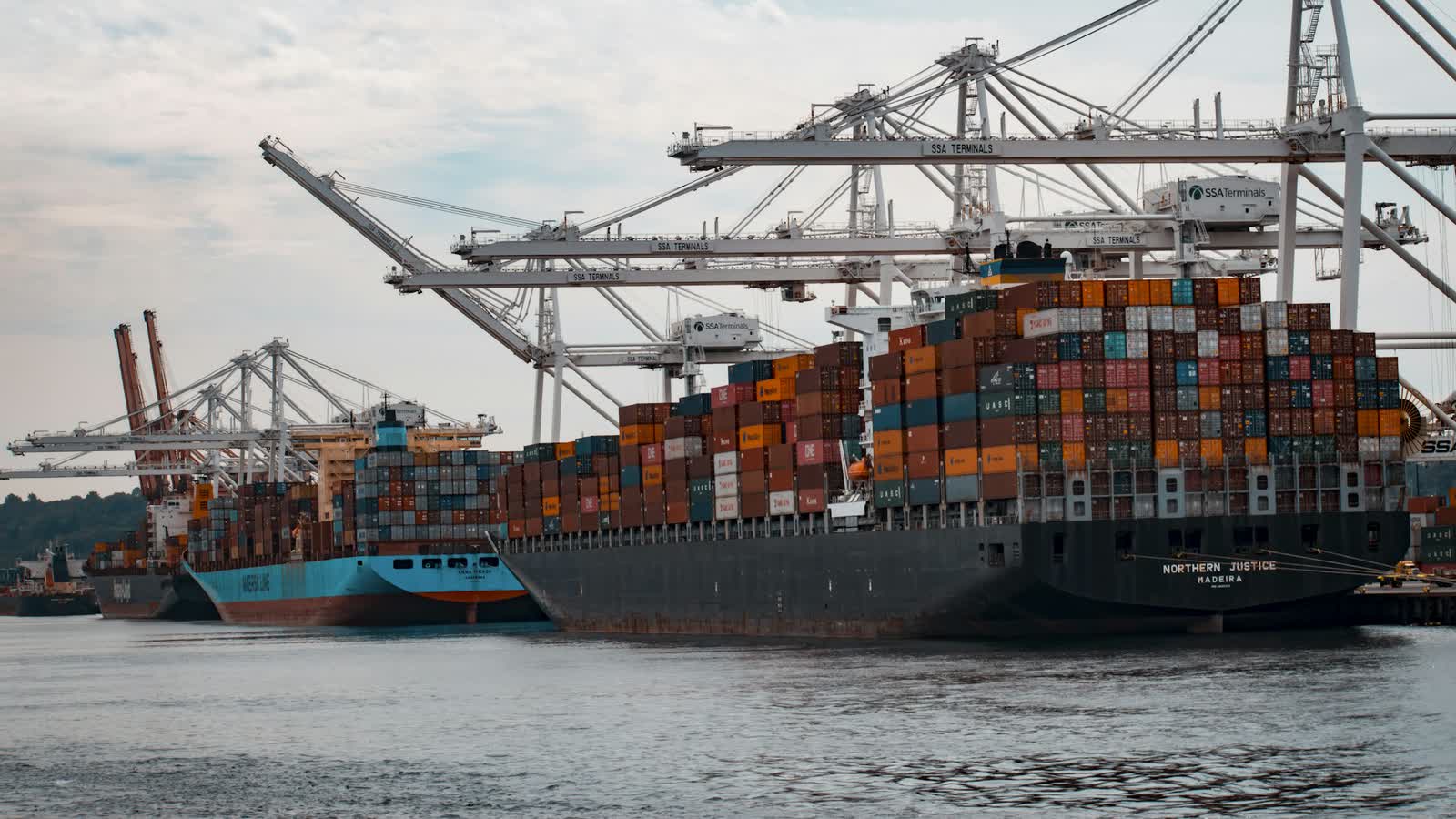
Shore Tank Cleaning at Visakhapatnam Port.
Tell us the vessel, her ETA at Visakhapatnam and the window. You get a scope, a crew size and an honest duration — usually the same working day.