
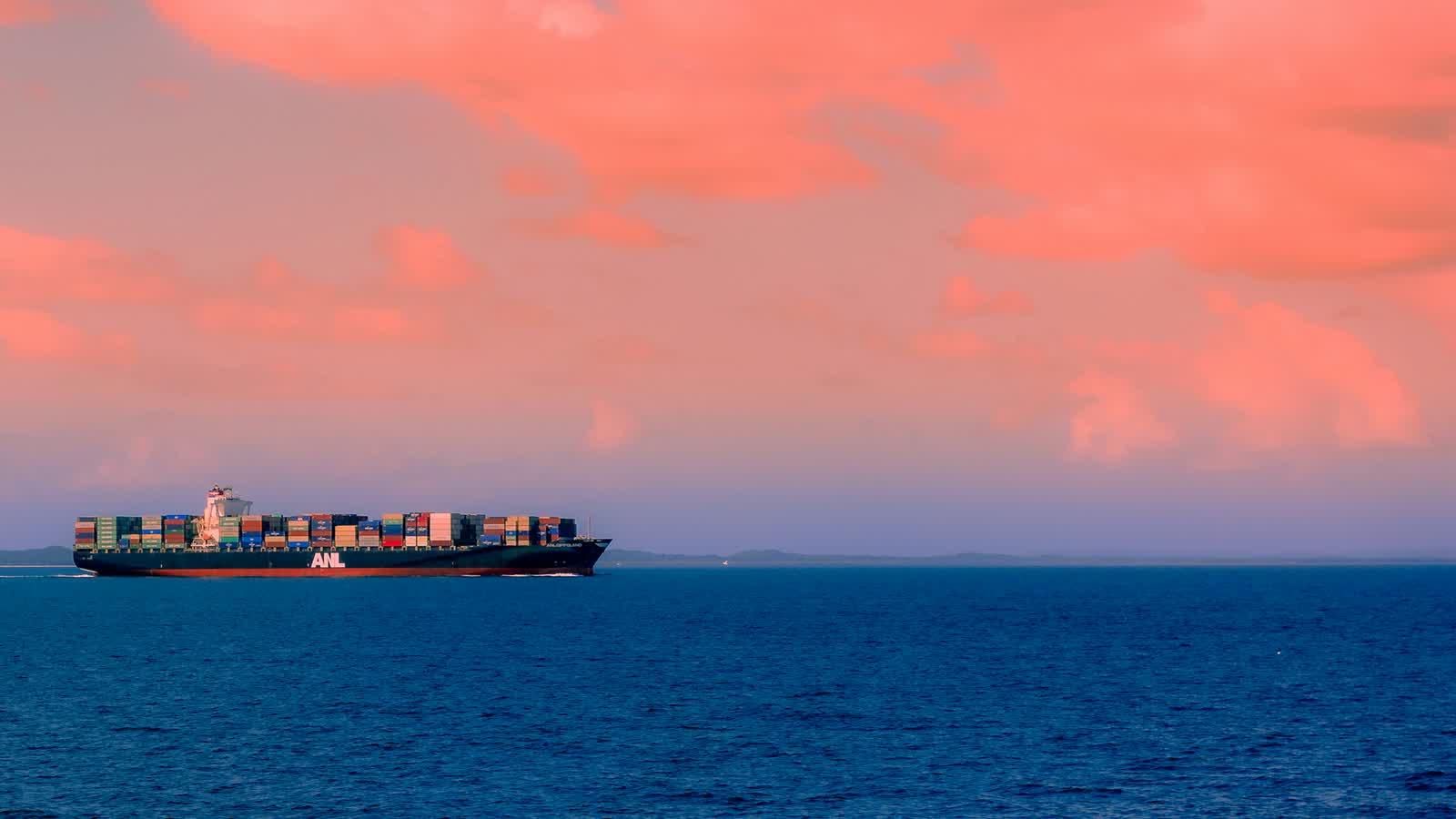
Hold Cleaning Riding Crew at Jeddah Port
Holds cleaned on passage, no port time spent
Get a quote
Tell us the vessel, the port and the window. Scoped reply, usually the same working day.
Cleanship Marine embarks riding crews at Jeddah Port, Makkah Province, to clean cargo holds on the passage out. The gang joins here, works the holds at sea and disembarks at a nominated port — the cleaning costs the vessel no port time at all.
Every other way of cleaning holds competes with something — the discharge, the berth window, the crew's own work. A riding crew competes with nothing: the work happens on a passage the vessel was making anyway. That is why it is the standard answer for tonnage leaving Jeddah on a ballast leg with a clean-cargo fixture waiting at the other end, and why it is the only method whose cost does not rise when the port gets busy.
What it gets you
- Zero port time spent on hold cleaning — the work happens on a passage already being made
- Holds ready for inspection on arrival rather than starting the job there
- Ship's crew kept on watchkeeping and maintenance instead of cleaning
- One team and one standard across a multi-port voyage
Working conditions at Jeddah
Work here starts alongside, and where the berth window runs out it continues on the outward passage with a riding crew — the berth will not be held open for it. The northerly Red Sea wind sets the outer limits of the calendar, strongest through the winter and spring, and it affects the anchorage far more than the berth. Heat and humidity are the harder constraint. The Red Sea is among the warmest and most saline bodies of water the fleet trades in — which grows fouling faster than the Gulf does — and between June and September enclosed-space work runs to shortened cycles with enforced rest and forced ventilation. Access approval runs through Mawani, the Saudi Ports Authority and the terminal, and the disposal route for residues and washings is fixed before the gang boards rather than found afterwards.
- Where we work
- Container terminal berths · General cargo and grain berths · Outer anchorage
- Vessels we see here
- Main-line and feeder container ships · Pure car and truck carriers · Bulk carriers · Passenger and RoPax vessels
What we do at Jeddah
- Crew embarked at Jeddah with tools, chemicals and PPE, cleared through the agent and the port
- Full hold cleaning programme worked at sea, hold by hold, to the standard the next fixture requires
- Bilge wells, strum boxes and hold bilge lines cleaned and tested on passage
- Enclosed-space entry procedures, gas testing and safety supervision run to the vessel's own permit system
- Disembarkation at the nominated port arranged with visas, tickets and clearances handled
- Daily progress reporting to the vessel and the office, with a completion record on landing
Planning the window at Jeddah
The northerly Red Sea wind governs the calendar at Jeddah Port, strongest through the winter and spring. For hold work the wind matters less than the rain: holds cannot be washed, dried and closed in wet weather, and a hold shut up damp fails inspection however clean it looks. Turnaround here is quick and the berth will not be held open for cleaning, so the work is either sequenced hold by hold behind the discharge as each one empties, or handed to a riding crew to complete on the passage out. Waiting for all holds to be empty is waiting past the berth window.
Teams mobilise via Jeddah (JED), so give us the ETA as early as you have it — the travel is the flexible part, the approvals and the working window are not.
What we typically find at Jeddah
Agricultural and fertiliser parcels dominate here, and they are the unforgiving residues: hygroscopic, corrosive to coatings if left damp, and an outright inspection failure ahead of a food-grade cargo. Holds shut up wet at Jeddah are holds that need doing twice.
What we usually find here is a partial job already attempted: crew sweeping between grabs, with the frames, brackets and tank-top margins untouched because there was never the time to reach them. Those are exactly the places an inspection looks.
Standard scope of work
Included as standard on every riding crew hold cleaning attendance, wherever the vessel is. Anything outside it is quoted separately and flagged before mobilisation, never added afterwards.
- Passage planning of the cleaning programme
- The cleaning sequence is planned against the passage length, expected weather and ballast condition so every hold is completed with drying time in hand.
- Complete hold preparation
- Sweeping, washing, chemical treatment, rinsing and drying of all cargo holds to the agreed standard, exactly as delivered by a shore gang.
- Hatch cover and coaming work
- Cleaning of compression bars, drain channels and gaskets, with defects reported to the chief officer for rectification before loading.
- Bilge and drainage systems
- Bilge wells emptied and cleaned, strainers cleared and non-return valves tested so holds pass the water-ingress checks at inspection.
- Additional deck work
- Where the passage allows, the crew can extend to deck chipping, spot priming and painting under the same mobilisation.
How we deliver it at Jeddah
- 1
Scope and vessel details
Tell us the vessel, her particulars, the last and next cargo and the window at Jeddah. We come back with a defined scope, a crew size and a duration we will stand behind. Where the conditions here will not support what has been asked for, we say so at this stage rather than after mobilisation.
- 2
Approvals and waste routing
Mawani, the Saudi Ports Authority runs a statutory permit process here, so the lead time is real and the application goes in early rather than on arrival. The disposal route for residues and washings is fixed before the gang boards — MARPOL Annex V compliance is a documented chain, not an assurance. Where reception at Jeddah is limited, the plan changes rather than the paperwork.
- 3
Mobilisation to Jeddah
Gangs, pumps, chemicals and equipment mobilise via Jeddah (JED). Where a vessel is also calling at King Abdullah Port, one mobilisation is normally sized to cover both.
- 4
Entry, sequencing and the work
Enclosed-space entry runs to the vessel's own permit system, with a fresh gas test before every entry and after every break. Gas testing, standby cover and continuous supervision run throughout, and progress is reported hold by hold rather than only at the end.
- 5
Report and handover
A completion report covering riding crew hold cleaning is issued with before-and-after imagery, hold by hold and anything found that you should know about. The findings are discussed with the vessel rather than emailed and forgotten.
Jeddah Port at a glance
- UN/LOCODE
- SAJED
- Port type
- Major Port
- State
- Makkah Province
- Country
- Saudi Arabia
- Water body
- Red Sea
- Port authority
- Mawani, the Saudi Ports Authority
- Main cargoes
- Containers and transhipment, General cargo, Grain and agricultural bulk, RoRo and vehicles, Passenger and pilgrim traffic
- Crew mobilisation
- Jeddah (JED)
- Services here
- Hull Cleaning and Hold Cleaning
Frequently asked — Hold Cleaning Riding Crew at Jeddah
Do you provide riding crew hold cleaning at Jeddah Port?
Yes. Cleanship Marine works Jeddah Port (SAJED) in Makkah Province, Saudi Arabia, covering the container terminal berths, general cargo and grain berths, outer anchorage. Teams mobilise via Jeddah (JED) with the full spread.
Can riding crew hold cleaning be done while the vessel works cargo at Jeddah?
Partly. Holds are worked one at a time behind the discharge as each empties, but the berth will not be held for the remainder — so the realistic plan is to start alongside and finish with a riding crew on the passage out. The vessel stays on hire throughout, and there is no diversion and no dry dock. We scope against the conditions at Jeddah and tell you honestly whether the window you have is enough.
How are hold washings and cargo residues disposed of at Jeddah?
To MARPOL Annex V, through the reception route agreed with Mawani, the Saudi Ports Authority and the terminal before the gang boards. Residues, sweepings and washing water are tracked from the hold to reception with documentation, so the vessel has a record rather than an assurance. Where reception capacity at Jeddah is limited, we change the plan rather than the paperwork.
Where is the work done at Jeddah — alongside, at anchorage or on passage?
Work here starts alongside, and where the berth window runs out it continues on the outward passage with a riding crew — the berth will not be held open for it. Between June and September the binding constraint is working temperature inside the space rather than access to it.
Which vessels do you carry out riding crew hold cleaning on at Jeddah?
Main-line and feeder container ships, Pure car and truck carriers, Bulk carriers, Passenger and RoPax vessels — the traffic at Jeddah Port runs to containers and transhipment, general cargo, grain and agricultural bulk, so those are the profiles we see most. The scope is sized to the vessel, not to a standard package.
How quickly can a team mobilise to Jeddah?
Crews and equipment mobilise via Jeddah (JED). Give us the ETA and the window and we will confirm what is achievable rather than promise a date we cannot hold. Where the vessel also calls at King Abdullah Port or Yanbu, one mobilisation is often sized to cover both.
What does riding crew hold cleaning at Jeddah cost?
It depends on the number of holds, the residue from the last cargo, the standard the next fixture demands and how much time the call at Jeddah actually gives. We would rather scope it properly and give you a specific figure than quote a headline rate that changes once the work starts. Send the details and the window at Jeddah and you get a scoped price, usually the same working day.
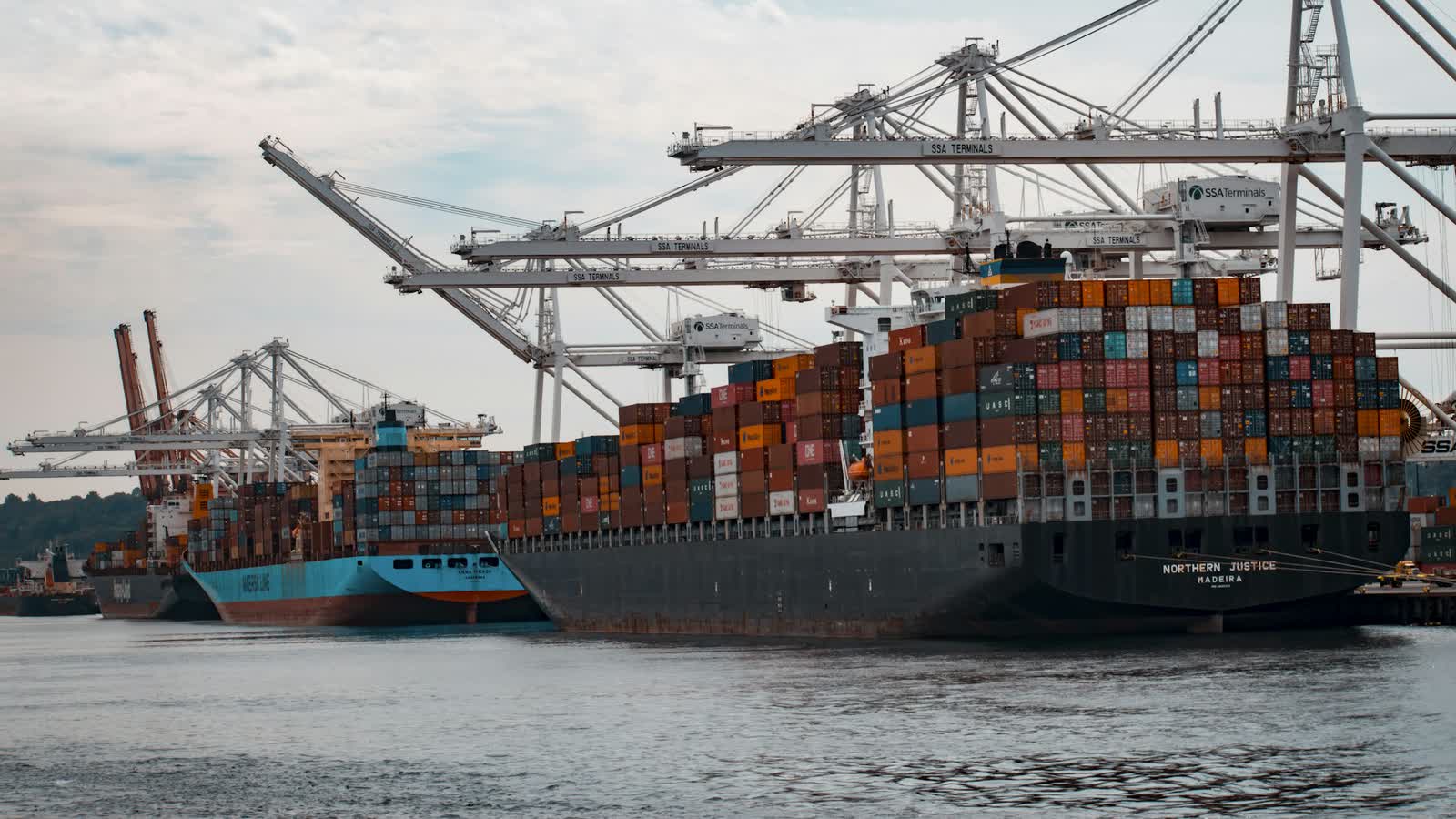
Hold Cleaning Riding Crew at Jeddah Port.
Tell us the vessel, her ETA at Jeddah and the window. You get a scope, a crew size and an honest duration — usually the same working day.