

Coal to grain for an Australian load port: Singapore to Esperance
Five holds of coal residue to clean to grain standard on passage, for a load port in Australia where grain holds are inspected before loading.
- Vessel
- Five-hold bulk carrier
- Previous cargo
- Coal
- Holds
- 5
- Passage
- Singapore to Esperance, Australia
- Delivered by
- Riding crew on passage
- Completed
- September 2026
Client and vessel name withheld. Every job on this page is from Cleanship’s 2026 track record.
The job
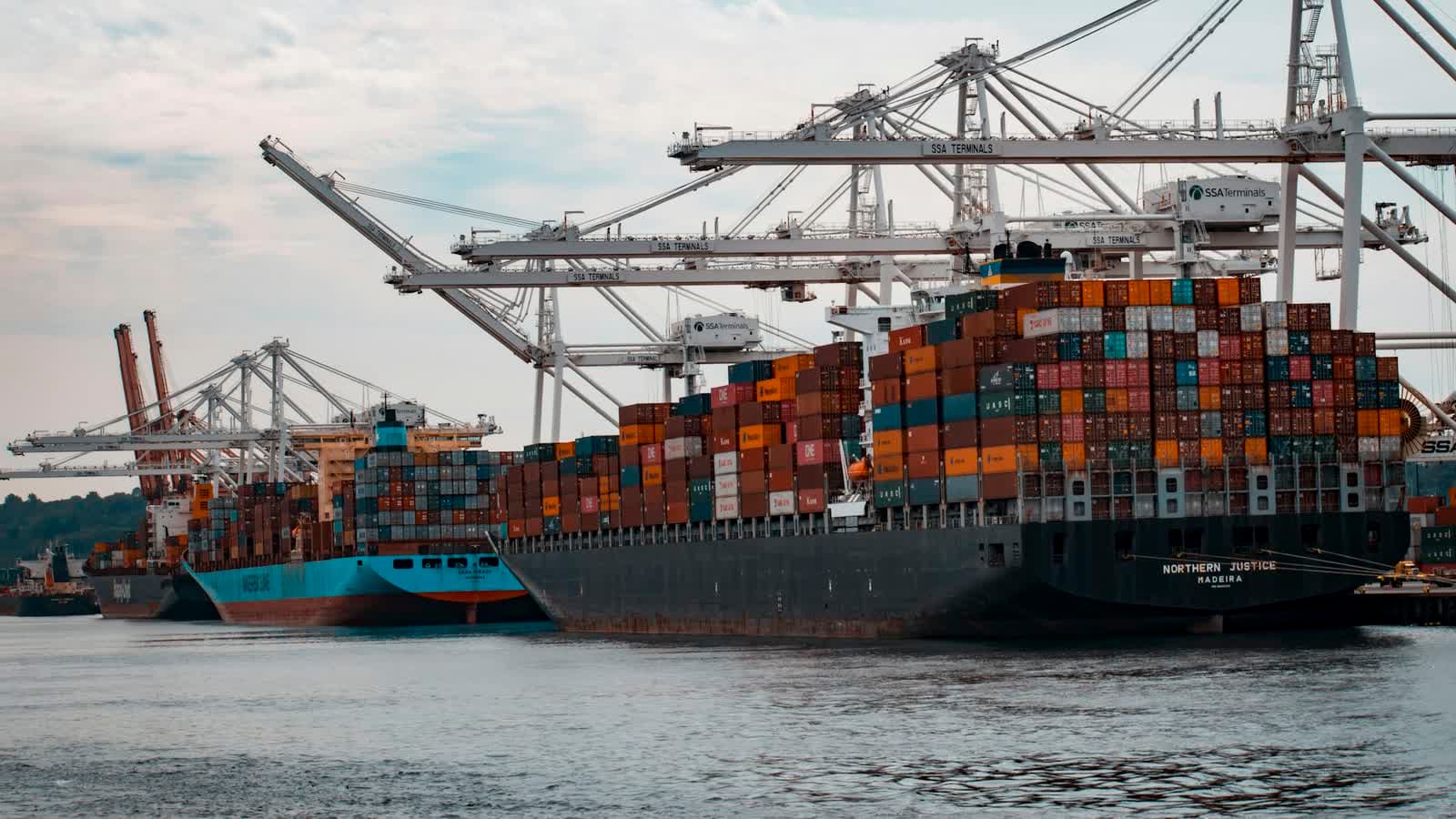
September 2026, Singapore to Esperance, Western Australia. A five-hold bulk carrier went from coal to a grain cargo in Australia. A riding crew cleaned the holds to grain standard during the passage.
Coal before an Australian inspection
Coal dust finds every ledge: frames, brackets, hopper tanks, the tops of stiffeners, behind ladders. Grain holds in Australia are inspected before loading, and the places coal hides are the places an inspector looks — so the cleaning works top-down, surface by surface, rather than washing the tank top and hoping.
After washing, a fresh water rinse takes off the salt, and the holds are dried: grain standard means dry as well as clean.
Result
Five holds cleaned to grain standard on passage, Singapore to Esperance. Completed in September 2026.
The service behind it
Hold Cleaning Riding Crew
Teams that sail with the vessel and complete every hold on passage — zero port time lost.
Full service detailsGuides for this job
- Can a riding crew clean bulk carrier holds? How riding squads work, what they cost and when they pay off
How riding crews clean bulk carrier cargo holds on passage — documentation, team size, what they can and can't do, joining at ports like Singapore or Fujairah, and how they save port days.
- Removing rust, scale and loose paint from cargo holds without losing a week
How to remove loose rust, scale and flaking paint from bulk carrier holds — what surveyors accept, tools and methods, tank tops, upper structure, and whether HP washing can remove rust.
- DPP to gasoline and naphtha: colour, odour and sulphur risk on the first clean cargo
Why gasoline and naphtha are demanding first clean cargoes after dirty petroleum products, what usually goes wrong, and how to prepare the tanks and system to protect colour, sulphur and odour.
Ready when you are.
Tell us the vessel, the port and the window. You get a scope, a crew size and an honest duration — usually the same working day.