By Capt. Neeraj Bharti, Founder, Master Mariner · Published · 2 min read
Underwater hull cleaning in Singapore: what the port rules actually allow
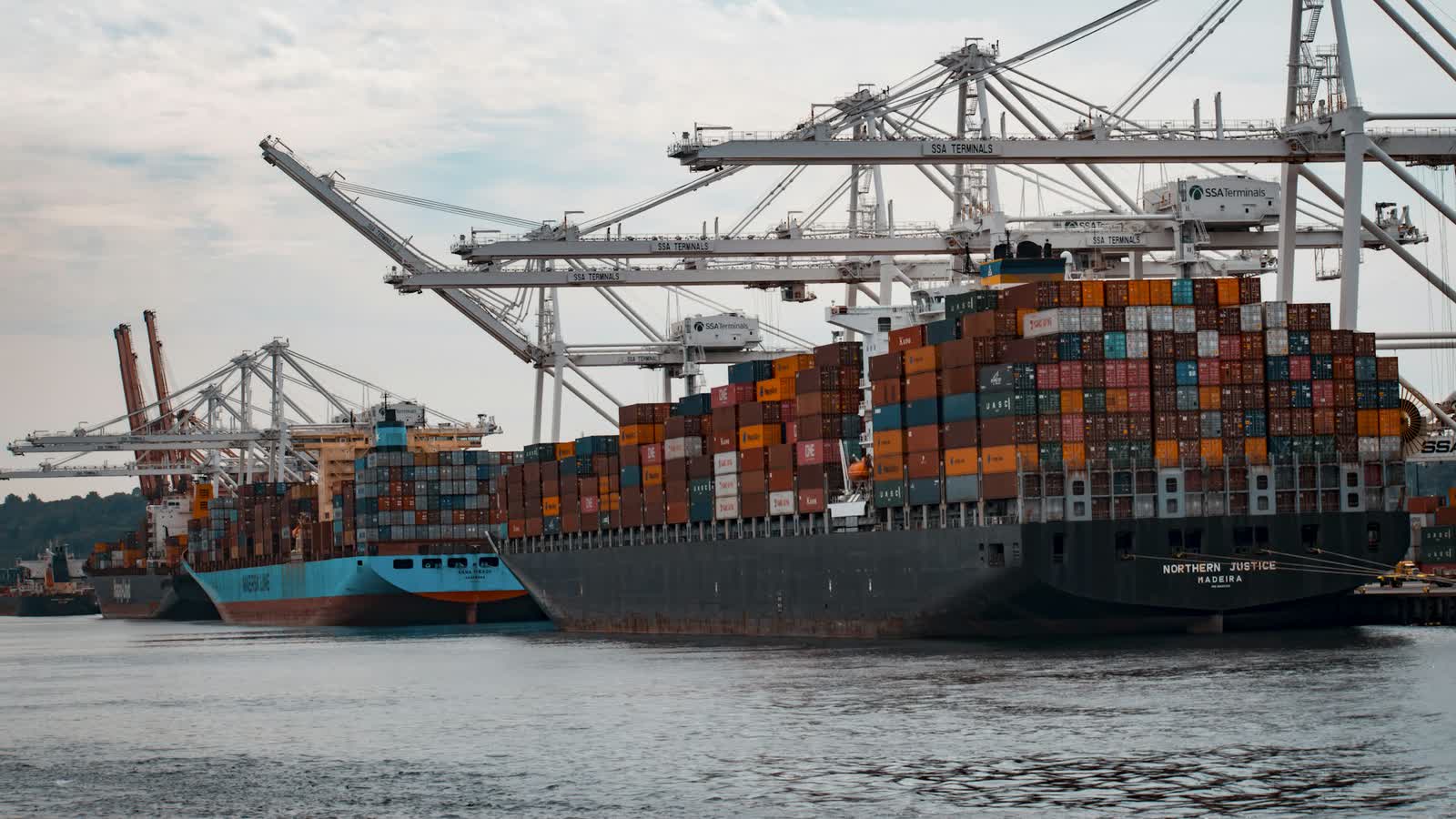
Singapore is one of the busiest ports in the world, and many ships call there for bunkers, crew changes and supplies. It is natural to ask whether the hull can be cleaned during the call. The answer depends on what you want cleaned, and Singapore's rules are more specific than many operators expect.
This is a planning guide. Cleanship does not have a base in Singapore, and the rules described here should always be checked against the Maritime and Port Authority of Singapore's (MPA) current circulars and with your agent before planning work.
What the rules cover
MPA regulates underwater work in Singapore port waters. Its Port Marine Circular No. 23 of 2017 deals with underwater cleaning and maintenance, covering the cleaning of propellers, stern tube areas and small areas of the hull. Applications are made through MPA's MARINET system, at least three working days in advance.
In practice this means:
- Propeller polishing and cleaning of small hull areas are the work most commonly carried out under the circular.
- Full-hull in-water cleaning is a different question. Whether and how it is permitted, and under what conditions, needs to be confirmed with MPA through your agent.
Where Singapore is heading
MPA has been actively supporting trials of robotic in-water hull cleaning with capture, as part of a wider push for cleaner, lower-emission port operations. That suggests the rules may develop, and operators should check the latest position rather than rely on older experience.
How operators plan around it
- Decide what you need: propeller only, small areas, or a full hull clean.
- Ask the agent early what is currently permitted and what the application requires.
- Allow the application lead time: at least three working days for work under the circular.
- Consider cleaning elsewhere if a full hull clean is needed and is not available in Singapore. For ships trading from the Gulf or India, cleaning before departure can be the practical option. See leaving Gulf of Oman anchorages.
Where Cleanship fits
We clean hulls and polish propellers from bases in the UAE and India. For ships bound for Singapore, we can inspect and clean before departure from those regions, and provide a dated report. See the complete guide to ship hull cleaning, our underwater hull cleaning service, or contact us about pre-departure cleaning.
Sources & further reading
Frequently asked questions
Is hull cleaning allowed in Singapore?
MPA regulates underwater cleaning in Singapore port waters. Port Marine Circular No. 23 of 2017 covers cleaning of propellers, stern tube areas and small areas of the hull. Whether full-hull cleaning is permitted, and how, should be confirmed with MPA through the agent.
How do you apply for underwater work in Singapore?
Through MPA's MARINET system, at least three working days in advance for work under the circular. Check the current requirements with the agent.
Can a propeller be polished in Singapore?
Propeller cleaning is among the work covered by MPA's circular on underwater cleaning and maintenance, subject to application and approval.
Does Cleanship work in Singapore?
No. Cleanship works from bases in the UAE and India, and can clean ships before they depart those regions for Singapore.
- hull cleaning singapore
- singapore underwater diving application
- propeller polishing singapore
- in-water cleaning singapore rules
- MPA underwater cleaning
Related articles
- Hull cleaningPropeller polishing: how often, what it recovers and when it's a waste of moneyWhat underwater propeller polishing does, how roughness costs efficiency, how often to polish, and when polishing is the wrong spend, from a practical owner's point of view.
- Hull cleaningIMO biofouling rules are becoming binding: what changes for owners and contractorsWhere IMO biofouling regulation stands: the 2023 Guidelines, the in-water cleaning guidance, the move towards a mandatory framework, the related ISO and industry standards, and how to prepare.
- Hull cleaningHow in-water cleaning damages coatings, and how to prevent itThe ways in-water hull cleaning can damage antifouling and foul-release coatings, the warning signs, and the method choices and checks that keep the coating intact.
- Hull cleaningClean hull on arrival: Australia, New Zealand and Brazil biofouling rulesWhat Australia, New Zealand and Brazil expect from arriving ships on biofouling, what evidence to carry, and why cleaning before departure from your last port often makes sense.