
By Capt. Neeraj Bharti, Founder, Master Mariner · Published · 2 min read
Leaving Gulf of Oman anchorages: hull cleaning and biosecurity before departure (Fujairah and Khor Fakkan)
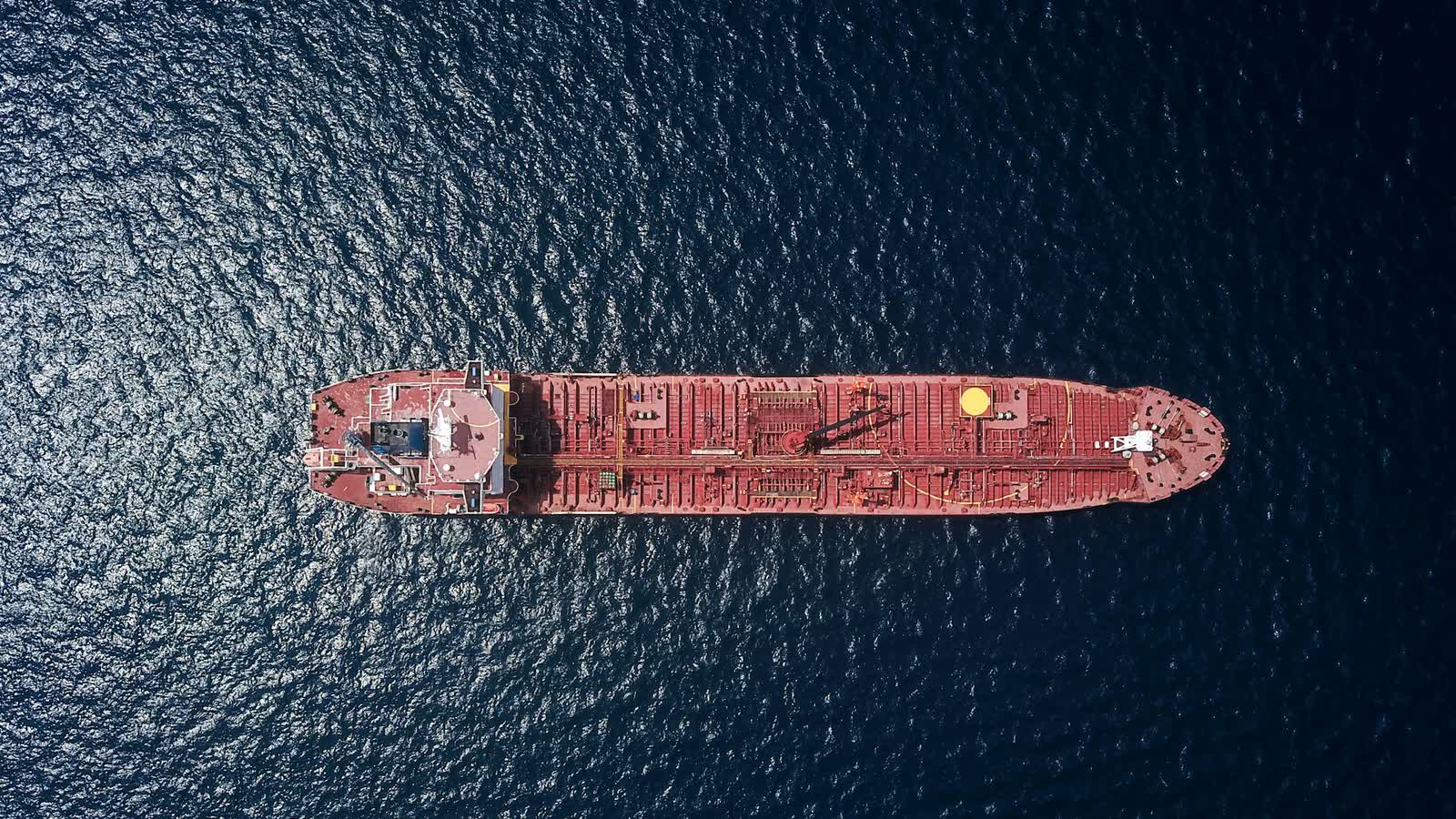
The anchorages off Fujairah and Khor Fakkan are among the busiest waiting areas in the world. Tankers wait for bunkers and orders, bulk carriers wait for berths, and in recent months many ships have waited far longer than planned. When the order to sail finally comes, the question every technical manager should ask is: what has grown on the hull while we waited, and where can we deal with it?
For many ships the honest answer is: here, before departure.
Why clean before leaving, not on arrival
It is tempting to sail and clean at the next port. There are three reasons that often does not work.
Destination rules. Australia, New Zealand and Brazil all require ships to manage biofouling, and some judge the hull on arrival. A ship arriving with heavy growth from weeks in warm water can face inspection, cleaning orders or delays.
Arrival ports may refuse. Many ports do not allow macrofouling to be cleaned in their waters, or only with debris capture. Arriving with a fouled hull and being told cleaning is not permitted leaves the ship to trade inefficiently until the next opportunity.
The voyage itself. A fouled hull and propeller burn more fuel and push up carbon intensity from the first mile. Cleaning before departure means the whole voyage benefits.
What the Gulf of Oman offers
- Long waiting times already built into the ship's schedule, often with days of notice before departure
- Generally clearer water than inside the Gulf, which helps divers and gives usable inspection video
- Nearby bases. Cleanship works from Fujairah and Khor Fakkan, so a team does not need flights and long mobilisation
Port of Fujairah sets its own rules for underwater and hull work, including permits and approved contractors, and those rules must be followed for every job. We confirm the current requirements and approvals at quoting stage, before any commitment.
A practical sequence for the last days at anchor
- Inspect the hull, niche areas and propeller, with video and a fouling assessment.
- Decide the scope with the superintendent: full hull, propeller, niche areas, or a combination.
- Confirm permissions with the port and agent for the work and the location.
- Clean and polish as close to departure as practical.
- Report: a dated report with before-and-after imagery for the biofouling record book and the destination authorities.
Biosecurity paperwork
If the ship is bound for a country with biofouling rules, the cleaning record is part of the evidence. Make sure the report states the date, location, areas cleaned, method used and condition before and after, and that the entry goes into the ship's biofouling record book. Our guide to ship hull cleaning explains the wider rules, and the idle ship returning to service article covers what to inspect after a long wait.
Booking it
Send us the vessel name or IMO, current anchorage position, expected departure window, destination and last docking date. We will advise on inspection first or cleaning straight away, and on what can be done before the ship sails. See hull cleaning at Fujairah and hull cleaning at Khor Fakkan, or contact our operations desk.
Sources & further reading
Frequently asked questions
Why clean a hull before leaving the Gulf of Oman rather than at the destination?
Destination countries may enforce biofouling rules on arrival, many ports restrict in-water cleaning of macrofouling, and a clean hull saves fuel for the whole voyage rather than only after arrival.
Can hull cleaning be done at the Fujairah anchorage?
Port of Fujairah sets its own rules for underwater and hull work, including permits and approved contractors. Requirements and approvals should be confirmed with the port and agent before the job is booked.
What should the cleaning report include for biosecurity?
Date, location, areas cleaned, method, fouling and coating condition before and after, and photographs or video, so it can support the biofouling record book and any arrival inspection.
How much notice is needed?
As much as possible. A few days allows inspection, permissions and scheduling before departure, but our teams at Fujairah and Khor Fakkan can often respond quickly.
- hull cleaning before departure gulf
- khor fakkan underwater cleaning
- fujairah anchorage idle ships
- biosecurity hull cleaning gulf
- gulf of oman hull cleaning
Related articles
- Hull cleaningReturning to service after months at anchor: hull and propeller fouling on idle shipsWhat happens to a hull and propeller during weeks or months at anchor in warm water, what to inspect before the ship trades again, and how to plan cleaning so she leaves at full speed and clean for arrival rules.
- Hull cleaningThe complete guide to ship hull cleaning: methods, biofouling, fuel efficiency and maintenanceHow in-water hull cleaning works, how fouling develops and is rated, what it does to fuel use, how to pick a method for your coating, the rules on capture, and how to plan cleaning between dockings.
- Hull cleaningIn-water survey and UWILD: what the difference actually isThe two are used interchangeably and they are not the same thing. What each is for, what makes a vessel eligible, and what must be true before the surveyor arrives.
- Tank cleaningFailed tank inspection after a changeover: causes and fast recoveryWhy product tankers fail tank inspection after a DPP to CPP changeover, where the residue usually hides, and how to recover quickly without losing the laycan.