
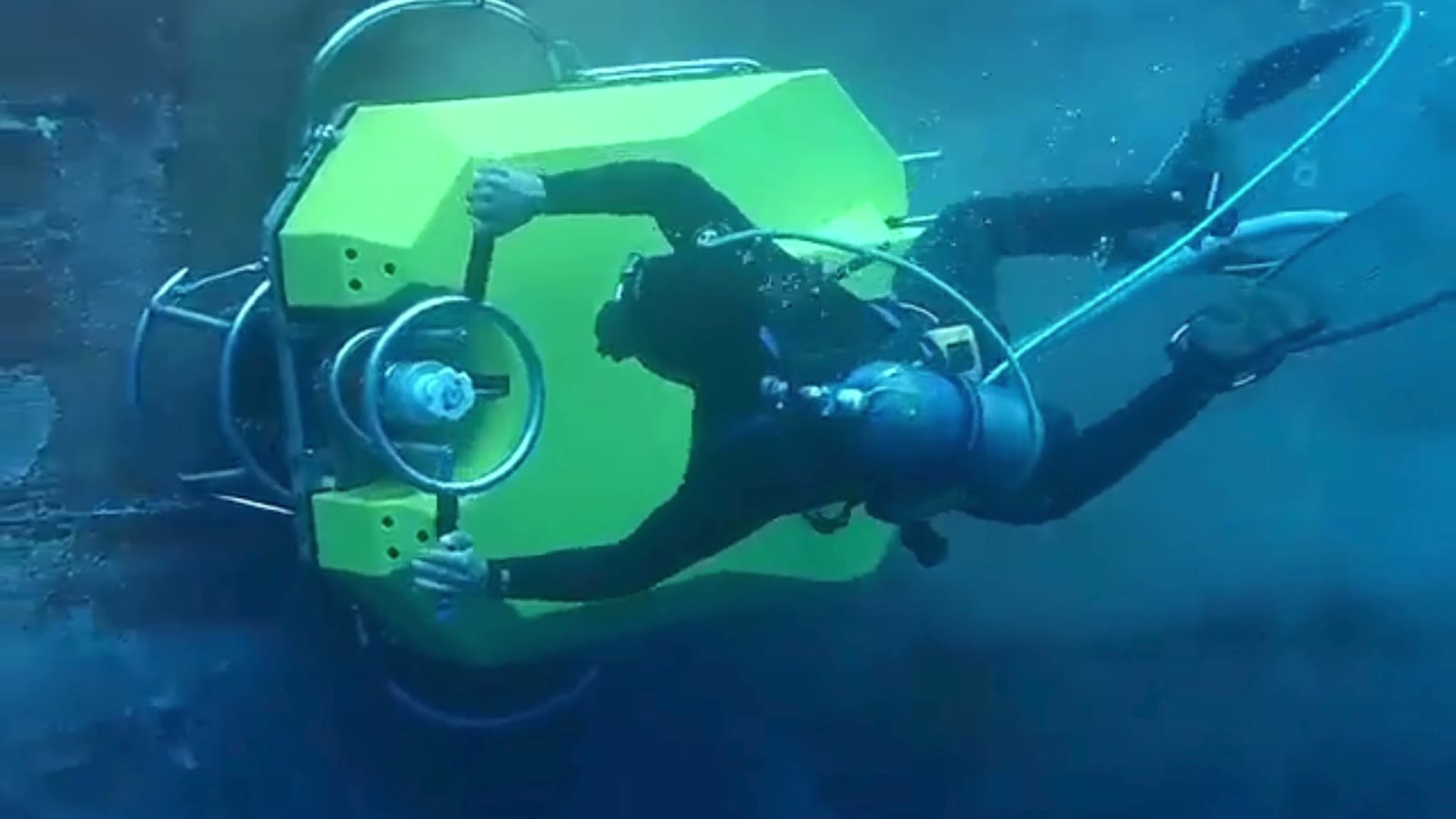
Hull Cleaning at Kpémé Port
In-water hull, propeller and survey work at Kpémé Port — an exposed offshore phosphate jetty with no shelter.
Get a quote
Tell us the vessel, the port and the window. Scoped reply, usually the same working day.
Cleanship Marine provides the full underwater scope at Kpémé Port (TGKPE), Maritime Region — hull cleaning, propeller super polishing, bow and stern thruster work, class-approved in-water survey and UWILD. Every scope is carried out with the vessel afloat and on hire, at the berth or at the anchorage.
Kpémé is a single-commodity phosphate export terminal on the Togolese coast, loading rock over an offshore jetty for the fertiliser trade. Traffic is bulk carriers on repeat voyages, and the exposure means most attendances here are combined with a call at Lomé a short distance along the coast.
Working conditions at Kpémé
Kpémé loads over an offshore jetty with no enclosed basin, so there is no shelter at all and the Atlantic swell decides whether work happens. Vessels lie exposed for the whole loading operation, which makes this one of the more demanding in-water working environments on the coverage list and one where the window has to be taken when it appears rather than booked. Water is warm and reasonably clear away from the loading point.
- Where we work
- Offshore loading jetty · Outer anchorage
- Vessels we see here
- Handysize and Supramax bulk carriers · Support and mooring craft
Hull Cleaning scopes at Kpémé
5 scopes, one team and one mobilisation. Most vessels calling here take more than one on the same attendance.
Underwater Hull Cleaning at Kpémé
Full hull cleaned in the water, vessel stays on hire
ViewPropeller Polishing at Kpémé
Mirror finish, measurably lower fuel burn
ViewThruster Cleaning at Kpémé
Full thrust restored when you need it most
ViewIn-Water Survey at Kpémé
Class attendance without opening a dry dock
ViewUWILD Inspection at Kpémé
Survey credit earned without leaving the water
View
Planning the window at Kpémé
The combination of Atlantic swell and rain governs the calendar at Kpémé Port, with the heaviest rain from May to October and swell running year-round. The swell here is long-period Atlantic ground swell rather than wind-driven sea, so it reaches the anchorages on days that look calm from the bridge and it is the single biggest cause of a lost in-water window on this coast. Work here is done with the vessel riding to her anchor, so the dive plan is built around sea state and swell rather than a berth slot, and the team stands by for a workable window rather than a scheduled one.
Work is taken at the offshore loading jetty and outer anchorage, and which of those a vessel ends up at changes the dive plan more than the season does. Teams mobilise via Lomé (LFW), so give us the ETA as early as you have it — the travel is the flexible part, the approvals and the working window are not.
What we typically find at Kpémé
The working fleet here spends most of its life at low speed in warm water, so growth is heavy, mixed and reaches the hard calcareous stage sooner than on deep-sea tonnage. Left too long it starts damaging the coating rather than just slowing the vessel.
Vessels here sit at anchor for long periods, and a stationary hull in warm water is the ideal fouling substrate. The heaviest growth we lift at this port is almost always off a vessel that has been waiting rather than working.
How we deliver it at Kpémé
- 1
Scope and vessel details
Tell us the vessel, her particulars, the coating specification and the window at Kpémé. We come back with a defined scope, a crew size and a duration we will stand behind. Where the conditions here will not support what has been asked for, we say so at this stage rather than after mobilisation.
- 2
Permits and approvals
Access at Kpémé Port is the terminal operator's decision as much as Société Nouvelle des Phosphates du Togo's, so both are in the approval chain from the start — a berth-side refusal discovered at the gangway costs the whole attendance. Diving permission, terminal approval and any environmental clearance for in-water work are handled by us, not left with the agent to chase.
- 3
Mobilisation to Kpémé
Divers, compressors, brush carts and cameras mobilise via Lomé (LFW). Where a vessel is also calling at Lomé, one mobilisation is normally sized to cover both.
- 4
Safety setup and the dive
The vessel is secured for diving — main engine, shaft and thrusters immobilised, sea suctions confirmed shut, permit agreed with the master. Teams work under surface supervision with continuous diver communications and video throughout.
- 5
Report and handover
A completion report covering hull cleaning is issued with before-and-after imagery, coating and anode condition and anything found that you should know about. The findings are discussed with the vessel rather than emailed and forgotten.
Kpémé Port at a glance
- UN/LOCODE
- TGKPE
- Port type
- Private Port
- State
- Maritime Region
- Country
- Togo
- Water body
- Gulf of Guinea
- Port authority
- Société Nouvelle des Phosphates du Togo
- Main cargoes
- Phosphate rock
- Crew mobilisation
- Lomé (LFW)
- Services here
- Hull Cleaning
Frequently asked — Kpémé Port
Does Cleanship provide hull cleaning at Kpémé Port?
Yes. We cover the full hull cleaning scope at Kpémé Port (TGKPE), Maritime Region — underwater hull cleaning, propeller polishing, thruster cleaning & polishing, in-water class survey and UWILD. Teams mobilise via Lomé (LFW).
What is underwater visibility like at Kpémé?
Visibility at Kpémé Port is generally workable outside the monsoon, though cargo dust from lighterage reduces it sharply near an active transfer, and the combination of Atlantic swell and rain sets the outer limits of the calendar. How the tide and sea state shape the dive plan is set out in full in the working-conditions section on this page.
Who approves hull cleaning work at Kpémé?
Société Nouvelle des Phosphates du Togo issues the port-side approval at Kpémé Port, with terminal approval on top where the berth requires it. We arrange both, along with any environmental clearance for in-water cleaning, so it does not fall to the agent or the master.
Which vessels call at Kpémé?
Handysize and Supramax bulk carriers, Support and mooring craft — Kpémé Port is an exposed offshore phosphate jetty with no shelter, handling phosphate rock. Wetted area, coating specification and how long the vessel has been sitting are what size a hull job, so the same berth can produce very different attendances.
Can this be done without taking the vessel off hire at Kpémé?
Yes — that is the point of it. Every scope listed here is carried out with the vessel afloat and working, at the berth, at the anchorage or on the passage out. Divers work with the vessel afloat at the berth or the anchorage, so there is no dry dock, no diversion and no off-hire.
Do you cover other ports near Kpémé?
Yes. Lomé, Cotonou and Tema all sit within the same operating range for hull cleaning, and a single mobilisation is often sized to cover more than one vessel on the same trip. We work 86 ports on the coverage list for this line.
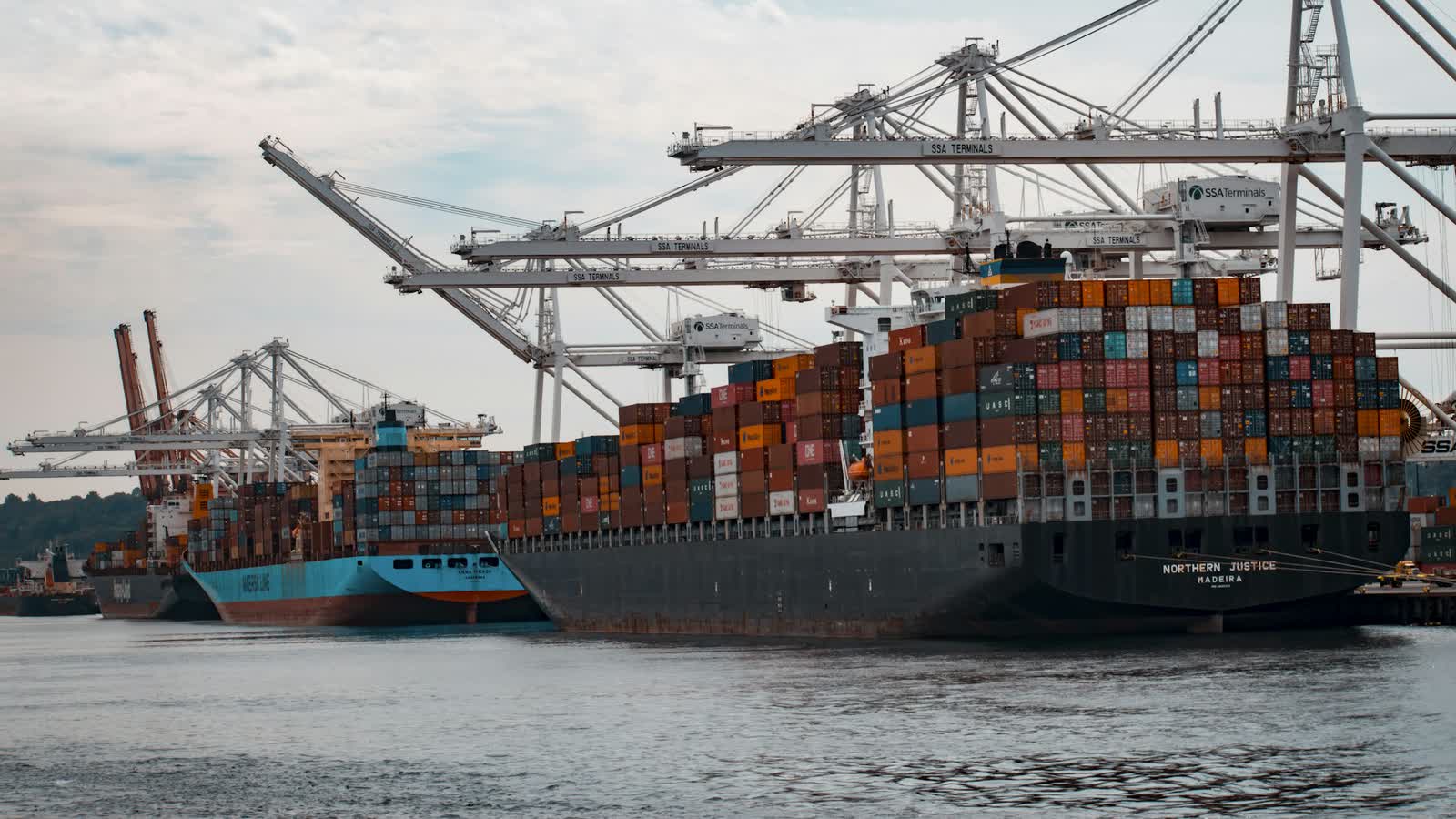
Hull Cleaning at Kpémé Port.
Tell us the vessel, her ETA at Kpémé and the window. You get a scope, a crew size and an honest duration — usually the same working day.