
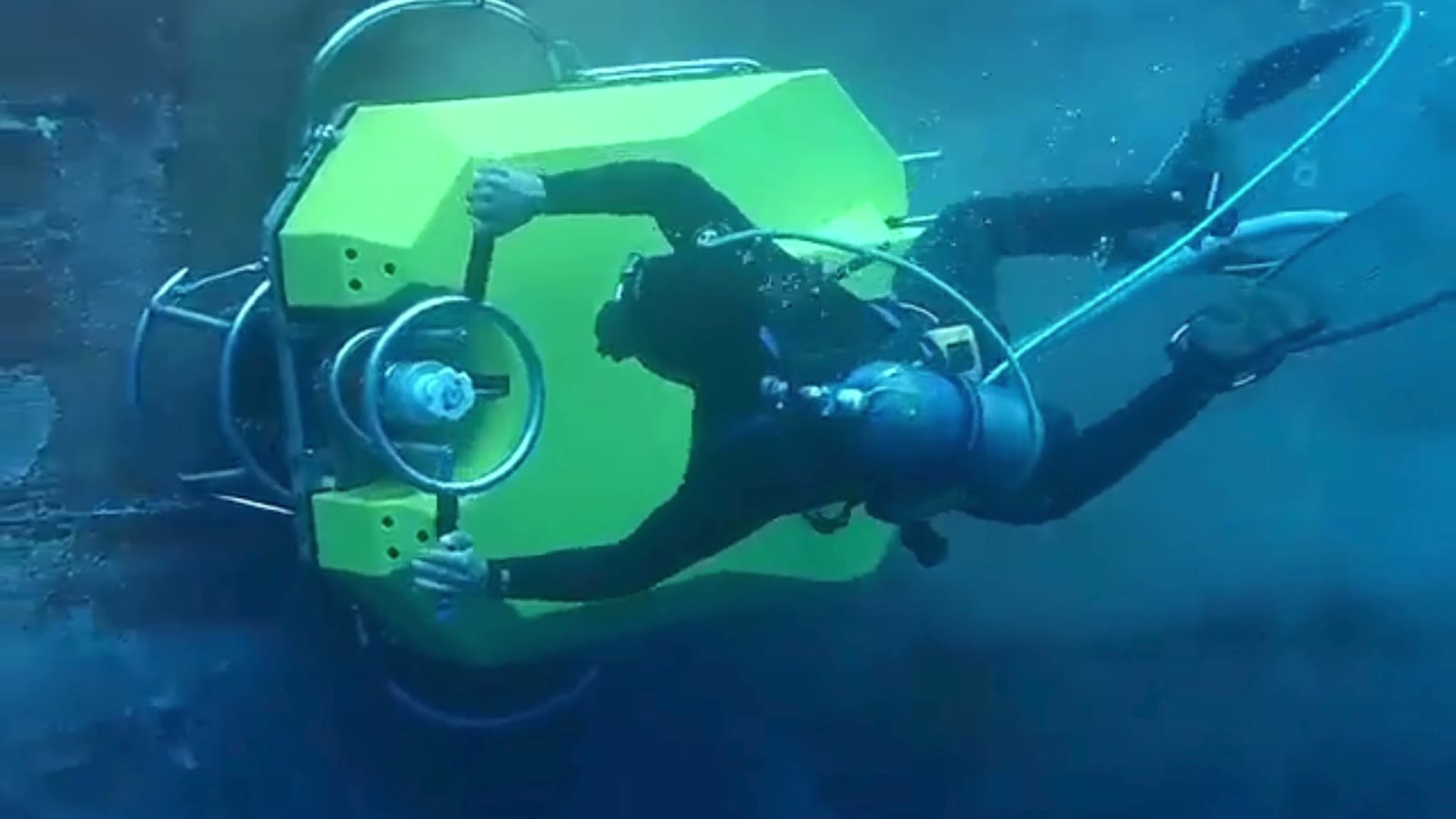
Hull Cleaning at Abidjan Port
In-water hull, propeller and survey work at Abidjan Port — sheltered lagoon water behind the Vridi Canal.
Get a quote
Tell us the vessel, the port and the window. Scoped reply, usually the same working day.
Cleanship Marine provides the full underwater scope at Abidjan Port (CIABJ), Abidjan — hull cleaning, propeller super polishing, bow and stern thruster work, class-approved in-water survey and UWILD. Every scope is carried out with the vessel afloat and on hire, at the berth or at the anchorage.
Abidjan is the largest port in francophone West Africa and the region's main container, cocoa and refined product gateway, with a substantial fishing fleet in the same lagoon. The shelter makes it the practical base for in-water work along this stretch of coast.
Working conditions at Abidjan
Abidjan sits inside the Ébrié Lagoon behind the Vridi Canal, so once a vessel is through the entrance she is in genuinely sheltered water — the Atlantic swell that governs the rest of this coast stops at the canal. The trade-off is lagoon water: warm, brackish, low visibility, and a fouling environment that is among the most aggressive in the region. Growth returns here faster than owners plan for.
- Where we work
- Container terminal berths · Oil and general cargo quays · Lagoon anchorage
- Vessels we see here
- Container ships · Product tankers · General cargo and reefer vessels · Fishing fleet and support craft
Hull Cleaning scopes at Abidjan
5 scopes, one team and one mobilisation. Most vessels calling here take more than one on the same attendance.
Underwater Hull Cleaning at Abidjan
Full hull cleaned in the water, vessel stays on hire
ViewPropeller Polishing at Abidjan
Mirror finish, measurably lower fuel burn
ViewThruster Cleaning at Abidjan
Full thrust restored when you need it most
ViewIn-Water Survey at Abidjan
Class attendance without opening a dry dock
ViewUWILD Inspection at Abidjan
Survey credit earned without leaving the water
View
Planning the window at Abidjan
The combination of Atlantic swell and rain governs the calendar at Abidjan Port, with the heaviest rain from May to October and swell running year-round. The swell here is long-period Atlantic ground swell rather than wind-driven sea, so it reaches the anchorages on days that look calm from the bridge and it is the single biggest cause of a lost in-water window on this coast. Because the harbour is sheltered, work here normally runs alongside or at a protected anchorage and can proceed in parallel with cargo operations rather than competing with them for the berth window.
Work is taken at the container terminal berths, oil and general cargo quays, lagoon anchorage, and which of those a vessel ends up at changes the dive plan more than the season does. Teams mobilise via Abidjan (ABJ), so give us the ETA as early as you have it — the travel is the flexible part, the approvals and the working window are not.
What we typically find at Abidjan
Liquid and gas tonnage here spends long stretches at the terminal or waiting for a slot, so growth tends to be even and well established across the hull rather than patchy — heavier than the trading pattern suggests, and further along than a speed report alone would indicate.
Shelter is a mixed blessing for a hull. The same calm that makes the port easy to work in is still water, and still water grows fouling faster than an exposed berth does.
How we deliver it at Abidjan
- 1
Scope and vessel details
Tell us the vessel, her particulars, the coating specification and the window at Abidjan. We come back with a defined scope, a crew size and a duration we will stand behind. Where the conditions here will not support what has been asked for, we say so at this stage rather than after mobilisation.
- 2
Permits and approvals
Port Autonome d'Abidjan approves the work alongside the local harbour master, and at a state port that conversation is quicker but less formal — it is worth having in writing. Diving permission, terminal approval and any environmental clearance for in-water work are handled by us, not left with the agent to chase.
- 3
Mobilisation to Abidjan
Divers, compressors, brush carts and cameras mobilise via Abidjan (ABJ). Where a vessel is also calling at Vridi, one mobilisation is normally sized to cover both.
- 4
Safety setup and the dive
The vessel is secured for diving — main engine, shaft and thrusters immobilised, sea suctions confirmed shut, permit agreed with the master. Teams work under surface supervision with continuous diver communications and video throughout.
- 5
Report and handover
A completion report covering hull cleaning is issued with before-and-after imagery, coating and anode condition and anything found that you should know about. The findings are discussed with the vessel rather than emailed and forgotten.
Abidjan Port at a glance
- UN/LOCODE
- CIABJ
- Port type
- State Port
- State
- Abidjan
- Country
- Côte d'Ivoire
- Water body
- Ébrié Lagoon, via the Vridi Canal
- Port authority
- Port Autonome d'Abidjan
- Main cargoes
- Containers, Cocoa and coffee, Crude and refined products, General cargo, Fishing catch
- Crew mobilisation
- Abidjan (ABJ)
- Services here
- Hull Cleaning, Hold Cleaning and Tank Cleaning
Frequently asked — Abidjan Port
Does Cleanship provide hull cleaning at Abidjan Port?
Yes. We cover the full hull cleaning scope at Abidjan Port (CIABJ), Abidjan — underwater hull cleaning, propeller polishing, thruster cleaning & polishing, in-water class survey and UWILD. Teams mobilise via Abidjan (ABJ).
What is underwater visibility like at Abidjan?
Visibility at Abidjan Port is moderate, and it drops further around active bulk handling and after heavy rain, and the combination of Atlantic swell and rain sets the outer limits of the calendar. How the tide and sea state shape the dive plan is set out in full in the working-conditions section on this page.
Who approves hull cleaning work at Abidjan?
Port Autonome d'Abidjan issues the port-side approval at Abidjan Port, with terminal approval on top where the berth requires it. We arrange both, along with any environmental clearance for in-water cleaning, so it does not fall to the agent or the master.
Which vessels call at Abidjan?
Container ships, Product tankers, General cargo and reefer vessels, Fishing fleet and support craft — Abidjan Port is sheltered lagoon water behind the Vridi Canal, handling containers, cocoa and coffee, crude and refined products, general cargo, fishing catch. Wetted area, coating specification and how long the vessel has been sitting are what size a hull job, so the same berth can produce very different attendances.
Can this be done without taking the vessel off hire at Abidjan?
Yes — that is the point of it. Every scope listed here is carried out with the vessel afloat and working, at the berth, at the anchorage or on the passage out. Divers work with the vessel afloat at the berth or the anchorage, so there is no dry dock, no diversion and no off-hire.
Do you cover other ports near Abidjan?
Yes. Vridi, Lion, San Pédro and Espoir all sit within the same operating range for hull cleaning, and a single mobilisation is often sized to cover more than one vessel on the same trip. We work 86 ports on the coverage list for this line.
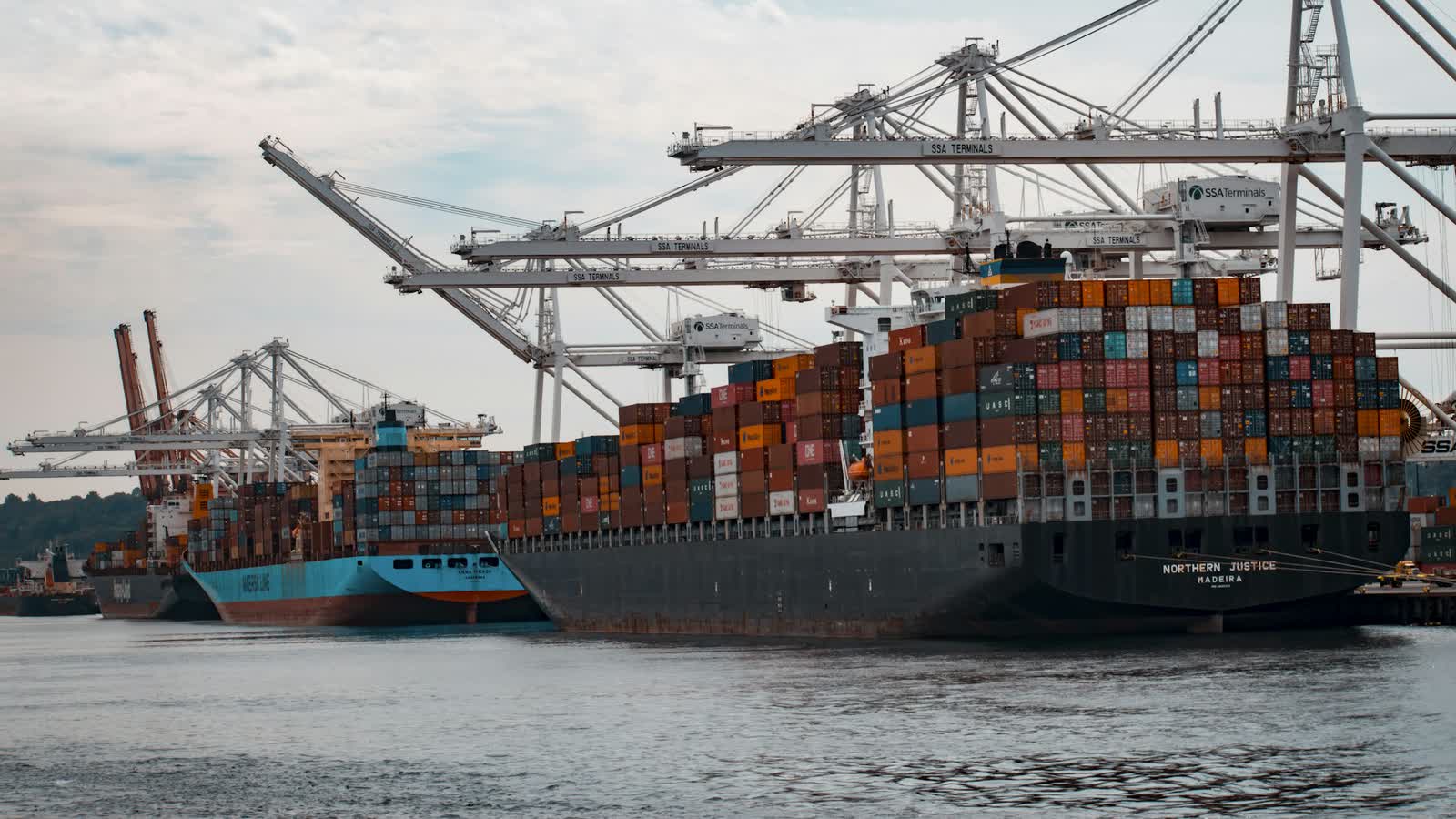
Hull Cleaning at Abidjan Port.
Tell us the vessel, her ETA at Abidjan and the window. You get a scope, a crew size and an honest duration — usually the same working day.