By Capt. Neeraj Bharti, Founder, Master Mariner · Published · 3 min read
Returning to service after months at anchor: hull and propeller fouling on idle ships
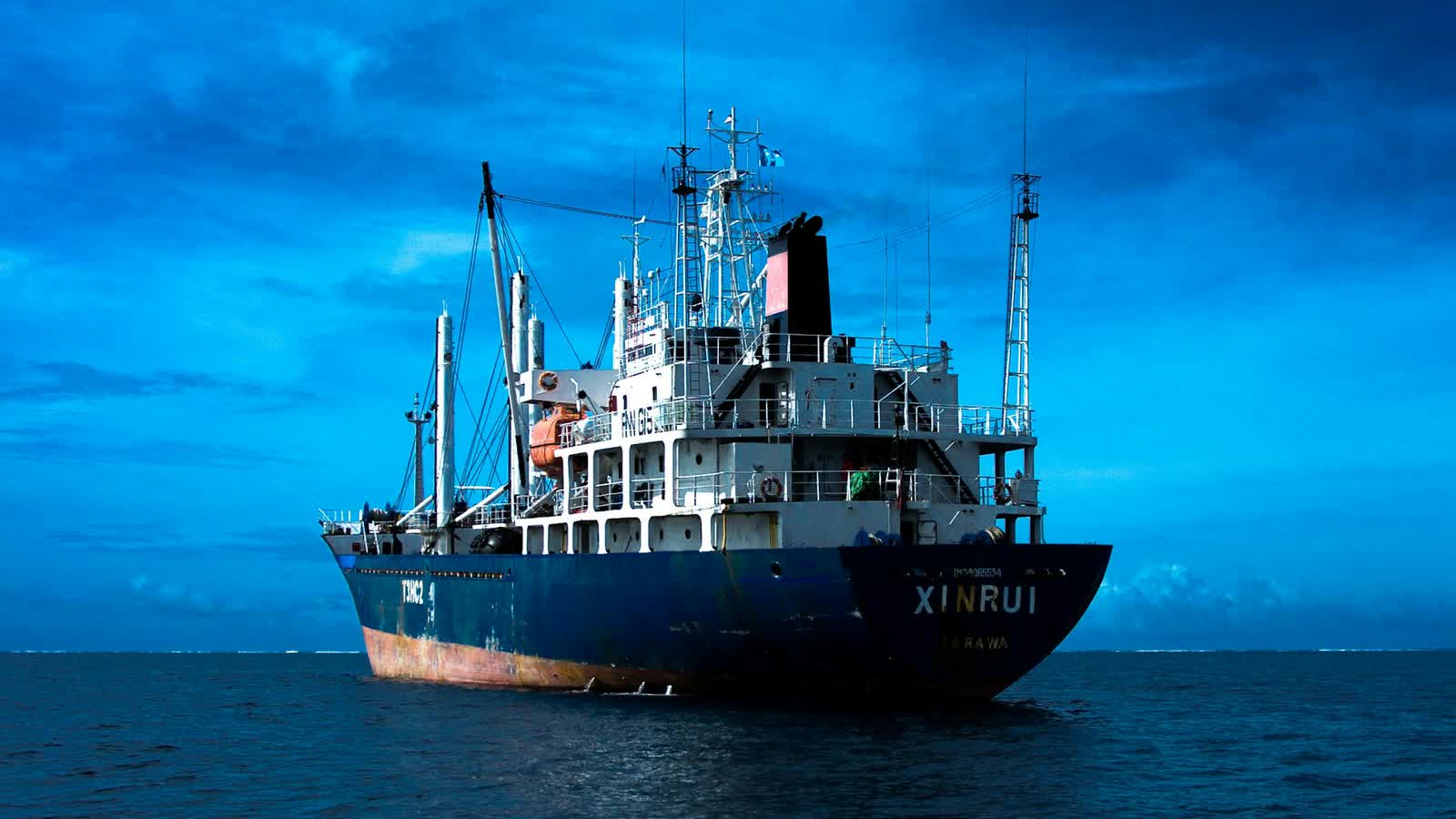
A ship that waits at anchor is not just losing hire. Underneath, her hull is fouling faster than at any other time in her trading life. Antifouling coatings are designed to work while the ship moves; when she sits still in warm water, growth that would normally be shed gets a firm hold. Weeks at anchor can leave a hull that was clean on arrival carrying weed and barnacles by the time she sails.
This year a large number of ships have spent long periods at anchor around the Gulf and the Gulf of Oman. For owners and managers bringing those ships back into service, the hull and propeller are among the first things to check.
Why idle ships foul so fast
Three things combine:
- No water flow. Self-polishing and foul-release coatings rely on the ship's movement to shed early growth. At anchor that mechanism stops.
- Warm, nutrient-rich water. Growth rates in the Gulf, the Arabian Sea and tropical waters are far higher than in temperate seas.
- Light near the surface. The waterline and boot top get the most light, so weed establishes there first.
The result is a hull that moves quickly from slime to macrofouling, with barnacles on the flat bottom and in niche areas, and often a propeller with calcareous growth on the blades.
What it costs when the ship sails
A heavily fouled hull and propeller cost speed, fuel and carbon intensity from the first day back in service. They can also bring commercial trouble:
- Performance claims under the charter if the ship cannot meet her warranted speed and consumption
- Biosecurity problems if she is bound for a country with arrival rules on biofouling
- Port refusal of in-water cleaning on arrival, leaving the ship to sail on fouled
That last point matters. Many ports will not allow heavy macrofouling to be cleaned in their waters without capture, or at all. Cleaning before departure, near where the ship has been waiting, is often the only practical option.
What to inspect before the ship trades again
A short underwater inspection before committing to cleaning tells you what you are dealing with:
- Fouling type and extent on vertical sides, flat bottom, boot top and waterline
- Niche areas: sea chests and gratings, thruster tunnels, bilge keels, rudder and stern frame
- Propeller: calcareous growth, roughness and edge condition
- Coating condition: whether the antifouling is intact or breaking down
- Anodes: wastage after a long period stationary
Video from the inspection lets the superintendent decide on scope before the cleaning team mobilises, and gives a fouling rating to show any port or authority that asks.
Planning the clean
- Clean hull and propeller together in one mobilisation where possible. Polishing a propeller while leaving a fouled hull, or the reverse, recovers only part of the loss.
- Include niche areas. Sea chests, gratings and thruster tunnels foul heavily at anchor and are a biosecurity concern in their own right.
- Use a method suited to the coating. Heavy growth on a foul-release coating needs gentle, patient work, not hard brushes.
- Time it close to departure. Cleaning a week before sailing and then waiting another three weeks undoes much of the benefit.
- Keep the record. A dated report with photographs is the evidence for charterers, port authorities and biofouling record books.
Checking the rest of the underwater body
While divers are down, it is worth a look at rope guards and seals, rudder pintles and the condition of the stern tube seal area. Long stationary periods can leave fishing gear, rope or debris around the propeller and rudder, and finding it at anchor is far cheaper than finding it on sea trials.
Where Cleanship can help
Our UAE bases at Fujairah and Khor Fakkan are close to the anchorages where many idle ships wait, and we can inspect, clean and polish under one mobilisation, with a report for the vessel file. See the complete guide to ship hull cleaning for background, our underwater hull cleaning service, and hull cleaning at Fujairah.
If your ship has been waiting at anchor and is about to trade again, send us the vessel details, time at anchor, last docking date and where she is now. Submit vessel details for a hull condition assessment.
Sources & further reading
Frequently asked questions
Why does a ship foul faster at anchor?
Antifouling coatings rely partly on the ship's movement to shed early growth. At anchor in warm, nutrient-rich water that stops, so slime turns to weed and barnacles much faster than when the ship is trading.
Should an idle ship be inspected before cleaning?
Yes. A short underwater inspection shows the fouling type and extent, niche-area growth, propeller and coating condition, so the cleaning scope and method can be set correctly before the team mobilises.
Can a heavily fouled hull be cleaned in any port?
No. Many ports restrict in-water cleaning of macrofouling or require debris capture. Cleaning before departure, where it is permitted, is often the practical option.
Should the propeller be polished at the same time?
Usually yes. A fouled propeller and a fouled hull both cost fuel, and doing both in one mobilisation recovers more performance for less cost.
- idle vessel hull fouling
- vessel reactivation hull inspection
- fouling after layup
- ship idle anchorage biofouling
- hull cleaning after long anchorage
Related articles
- Hull cleaningThe complete guide to ship hull cleaning: methods, biofouling, fuel efficiency and maintenanceHow in-water hull cleaning works, how fouling develops and is rated, what it does to fuel use, how to pick a method for your coating, the rules on capture, and how to plan cleaning between dockings.
- Hull cleaningIn-water survey and UWILD: what the difference actually isThe two are used interchangeably and they are not the same thing. What each is for, what makes a vessel eligible, and what must be true before the surveyor arrives.
- Tank cleaningDPP to CPP changeover: a practical planning guide for product tanker operatorsHow to plan a dirty-to-clean changeover on a product tanker: the cargo pair, the cleaning plan, lines and pumps, timing, slops, inspection standards and the records that protect you if a cargo goes off-spec.
- Planning & costCan cargo holds be cleaned during the voyage? Cleaning at sea and at anchorage before the load portWhen and how bulk carrier holds can be cleaned at sea or at anchorage, what MARPOL allows for wash water, weather and safety limits, and how to plan cleaning en route to the loading port.