By Capt. Neeraj Bharti, Founder, Master Mariner · Published · 2 min read
Author of Bulk Shipping: Risk, Cost & Control (P&P Academy, 2026)
Hull fouling and charter party performance claims
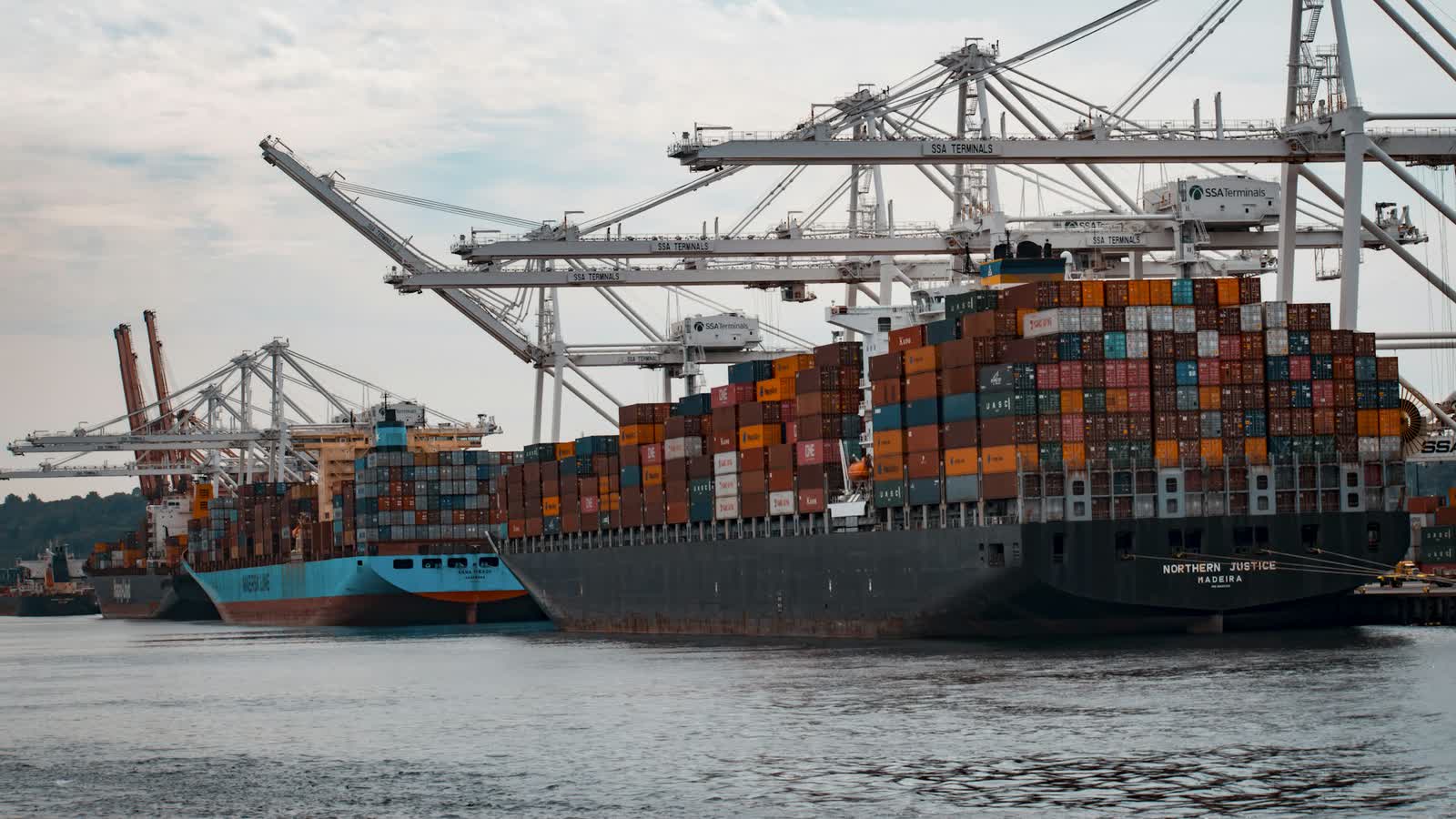
Under most time charters, the owner warrants the ship's speed and consumption. If the ship is slower or burns more than warranted, the charterer may claim. Hull fouling is one of the most common underlying causes, and one of the most argued about. This is a practical overview, not legal advice; your P&I club and lawyers are the right people for a live claim.
How a performance claim arises
- The charter party describes the ship's speed and consumption, often "about" certain figures, in good weather conditions.
- The charterer (often using a weather routing or performance analysis company) compares actual performance in good-weather periods against the warranty.
- If performance falls short, the charterer claims for time lost and extra fuel.
Where fouling comes in
Fouling increases resistance, so the ship is slower or burns more. The key questions are usually:
- When did the fouling develop?
- Was it caused by following the charterer's orders, for example a long wait at anchor in warm water?
- Does the charter party contain a hull fouling clause? (See the next article in the series.)
Common arguments
- Charterer's orders: if fouling developed during prolonged idling on charterer's orders, the owner may argue the underperformance results from those orders, depending on the wording.
- Warranty timing: whether the warranty applies only at delivery or throughout the charter, depending on the wording.
- Good weather definition: what counts as good weather and how many days qualify.
- Analysis method: how the performance was measured and filtered.
The outcome depends heavily on the wording and facts. Courts and tribunals have decided these cases differently depending on the clauses involved.
Records that matter
- Hull and propeller inspection and cleaning reports, with dates, photos and fouling ratings
- Idle periods and locations, with water temperature where possible
- Noon reports and performance monitoring data
- Correspondence about orders to wait or idle
- The charter party clauses on performance and fouling
A clean, documented hull before a performance period is a strong position. See verifying performance gains.
Practical steps
- Inspect after long idle periods and keep the reports
- Raise fouling with charterers in writing when it becomes a concern
- Clean promptly when needed, with proper documentation
Cleanship
Our hull inspection and cleaning reports include dated photos, video and ratings, the kind of evidence that matters in a dispute. See our underwater hull cleaning service or contact us.
Sources & further reading
Frequently asked questions
What is a charter party performance claim?
A claim by a time charterer that the ship did not meet the speed and consumption warranted in the charter party, usually for lost time and extra fuel.
Can hull fouling be a defence to a performance claim?
Sometimes, for example where fouling developed while following the charterer's orders, but it depends on the charter party wording and facts.
What records help in a hull fouling dispute?
Dated inspection and cleaning reports with photos and fouling ratings, idle period records, noon reports, performance data and correspondence.
Should I get legal advice on a performance claim?
Yes. Your P&I club or lawyers should advise on a live claim, as outcomes depend heavily on wording and facts.
- hull fouling performance claim
- charter party speed and consumption claim
- underperformance claim fouling
- time charter performance warranty
- fouling defence charter party
Related articles
- Hull cleaning"Is hull cleaning worth it before this voyage? A break-even approach"A simple break-even method for deciding whether to clean the hull before a particular voyage, comparing cleaning cost and delay with the fuel, emissions and charter costs of sailing fouled.
- Hull cleaning"Hull cleaning and CII: where hull condition fits in a carbon intensity plan"How hull and propeller fouling affects a ship's Carbon Intensity Indicator, where hull cleaning fits in a CII improvement plan, and how to document it in the SEEMP.
- Hull cleaning"Before and after: verifying performance gains from hull cleaning"How to check whether a hull clean or propeller polish actually improved performance, using a before-and-after comparison, ISO 19030 principles and honest filtering of noon report data.
- Hull cleaning"Estimating the commercial impact of fouling on your vessel: a worked method"A step-by-step method for estimating what hull fouling is costing a specific ship in extra fuel, emissions and time, using your own performance data rather than generic percentages.