By Capt. Neeraj Bharti, Founder, Master Mariner · Published · 2 min read
Jet A-1 after dirty cargo: how charterers judge previous cargoes
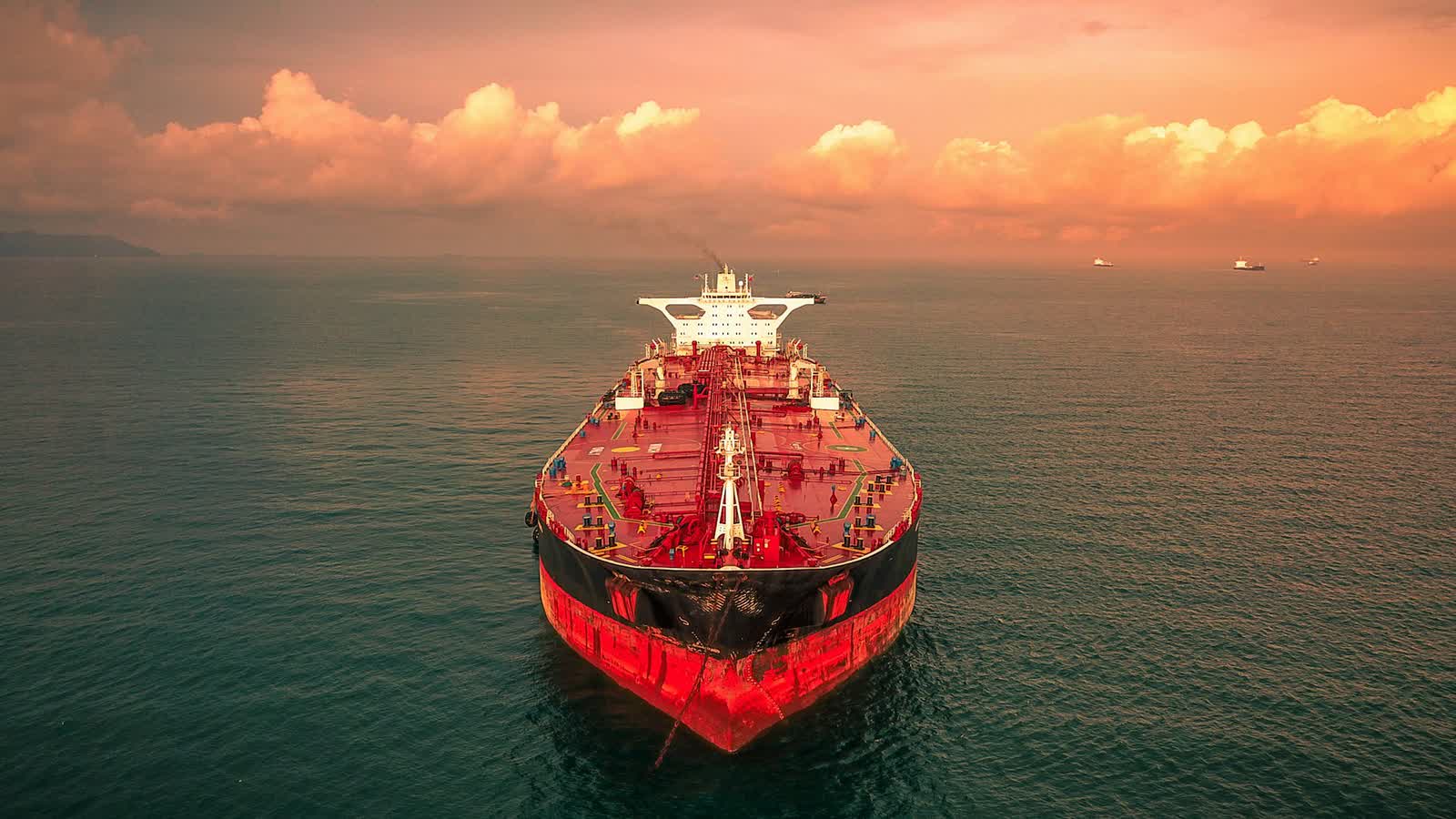
Of all the clean products a tanker can carry, jet fuel is the least forgiving. It ends up in aircraft engines, so the supply chain is built around keeping it free of contamination at every step. For a tanker coming out of dirty trades, that means the question is not only "are the tanks clean?" but "what has this ship carried before?"
Why jet fuel is different
Jet A-1 is tested against a strict specification covering things like colour, particulates, water, and contamination from other fuels and additives. Small traces of heavy oil, dyes, or residues from other products can put a cargo off-specification. The fuel supply chain has its own quality assurance rules, and charterers apply them when they nominate a ship.
How charterers judge previous cargoes
Charterers carrying jet fuel commonly look at the ship's last three cargoes, not just the last one. Typical restrictions focus on:
- Dirty petroleum products such as fuel oil and crude
- Products containing additives or components that could be harmful in jet fuel
- Biofuel components such as FAME, which jet fuel specifications strictly limit
Exactly which previous cargoes are acceptable, and how many clean cargoes must come in between, depends on the charterer's and supplier's quality rules. Check the voyage instructions and ask early. It is common for a ship coming out of fuel oil to need one or more intermediate clean cargoes before jet is acceptable.
Preparing tanks for jet
If the cargo history allows it, preparation has to be thorough:
- Full hot wash of tanks after the dirty cargo, followed by cold and fresh water rinses.
- Lines, pumps, coils and vapour lines flushed and drained. See lines, pumps and heating coils.
- Manual finishing of shadow areas, suction wells and coils.
- Mop and dry every tank. Water is itself a jet fuel quality problem.
- Check coating condition. Coating that holds black oil is a real risk for a jet cargo.
- Pre-inspect to a higher standard than for gasoil.
Common causes of jet contamination complaints
- Colour or haze traced to residue in lines or pumps
- Water from inadequately dried tanks
- Particulates from rust scale or coating breakdown
- Trace components from a previous cargo the charterer did not accept
The commercial side
Fixing a ship for jet after a dirty history without checking the previous cargo rules first can lead to rejection at the load port, with all the cost and delay that brings. It is far cheaper to confirm acceptability, plan the intermediate cargoes and prepare properly than to argue about it at the terminal.
How Cleanship helps
We plan and carry out changeovers from our Fujairah and Indian bases, with tank, line and coil preparation, manual finishing, drying and pre-inspection. See the DPP to CPP changeover guide, our DPP and CPP tank cleaning service, or send us the cargo history and next nomination for advice before fixing.
Sources & further reading
Frequently asked questions
Can a tanker load Jet A-1 straight after fuel oil?
Often not. Charterers and fuel suppliers usually look at the last three cargoes, and a ship coming out of dirty trades may need one or more intermediate clean cargoes before jet is accepted. Check the voyage instructions early.
Why is jet fuel so sensitive to contamination?
It ends up in aircraft engines and is tested against a strict specification. Small traces of heavy oil, dyes, water, particulates or certain other components can put it off-specification.
What tank preparation is needed for jet fuel?
A full hot wash after dirty cargo, rinsing, flushing and draining of all lines, pumps and coils, manual finishing, thorough drying, a coating check, and a careful pre-inspection.
Does FAME matter for jet fuel?
Yes. Jet fuel specifications strictly limit FAME contamination, so previous biodiesel or blended cargoes need careful attention.
- jet A-1 previous cargo
- jet fuel tank cleaning
- loading jet after fuel oil
- jet fuel contamination tanker
- aviation fuel tank preparation
Related articles
- Tank cleaningTank cleaning for shuttle and STS tankers working the Gulf of OmanHow tankers working ship-to-ship transfers and shuttle runs off Fujairah and Khor Fakkan can fit tank cleaning, grade changes and sludge removal into short gaps between cargoes.
- Tank cleaningLines, pumps and heating coils: the parts of a changeover that fail inspectionsWhy cargo lines, pumps, stripping systems and heating coils cause more changeover failures than the tanks themselves, and how to flush, drain and verify every part of the system before a clean cargo.
- Tank cleaningFailed tank inspection after a changeover: causes and fast recoveryWhy product tankers fail tank inspection after a DPP to CPP changeover, where the residue usually hides, and how to recover quickly without losing the laycan.
- Tank cleaningDPP to CPP changeover: a practical planning guide for product tanker operatorsHow to plan a dirty-to-clean changeover on a product tanker: the cargo pair, the cleaning plan, lines and pumps, timing, slops, inspection standards and the records that protect you if a cargo goes off-spec.