By Capt. Neeraj Bharti, Founder, Master Mariner · Published · 2 min read
Tank cleaning for shuttle and STS tankers working the Gulf of Oman
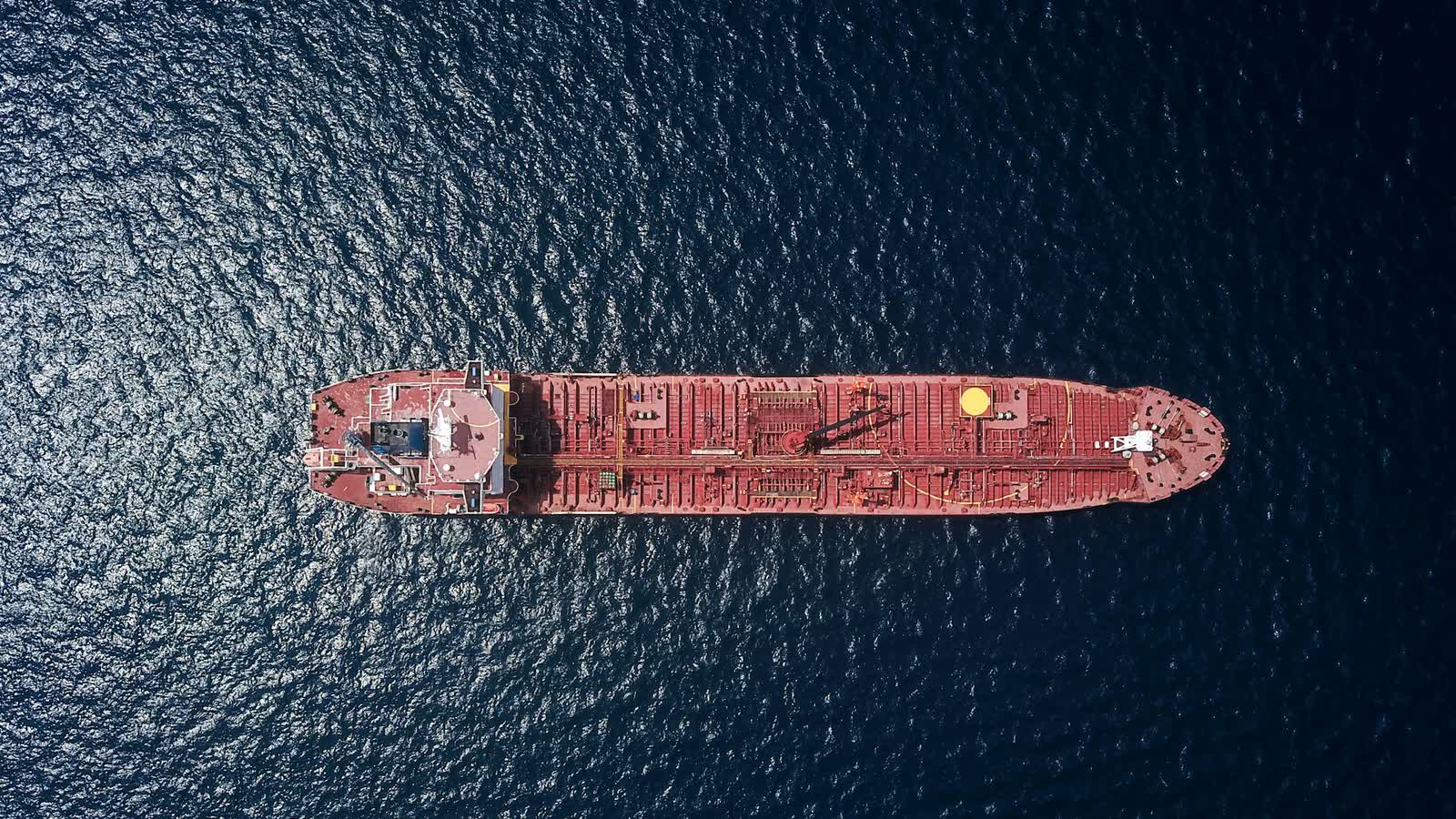
Tankers that work ship-to-ship (STS) transfers and short shuttle runs off Fujairah and Khor Fakkan live a different life from deep-sea tonnage. They load and discharge often, change grades often, and rarely have a long ballast passage to clean on. Tank cleaning has to fit into gaps measured in days or hours, at anchor, alongside other operations.
What makes these ships different
- Frequent grade changes. Fuel oil, gasoil and blending components in quick succession.
- Short gaps. No week-long ballast leg to clean during.
- Sludge build-up. Heavy grades and frequent short cycles leave sediment in tank bottoms faster than on long-haul ships.
- Anchorage working. Cleaning often has to happen at anchor, with slops landed to reception facilities or barges.
Planning around short windows
The key is to stop treating each grade change as a separate emergency and plan the ship's cleaning as a programme:
- Map the next few cargoes. If the next three grades are known, tanks can be allocated so the most demanding change happens where the most time is available.
- Split the work. Machine washing can often run between operations; manual finishing and mopping can be done tank by tank as tanks become free.
- Keep on top of sludge. Periodic demucking prevents sediment building to the point where a full grade change becomes impossible in the time available. See demucking.
- Arrange slops in advance. Know where slops will go and how, before cleaning begins.
- Pre-inspect. Short gaps leave no room for a failed inspection.
Safety at anchor
Working on cargo tanks at anchor, often with other vessels alongside, needs particular care: gas-freeing and atmosphere monitoring for every entry, permits coordinated with any STS operation, hot-work restrictions, and rescue arrangements. Cleaning plans must fit within the ship's safety management system and the operator's STS procedures.
Using a local team
A team based near the anchorage changes what is possible. Instead of planning cleaning weeks ahead around flights and visas, the ship can call a team for a specific window. Cleanship's bases at Fujairah and Khor Fakkan support tankers working the Gulf of Oman with machine washing, manual finishing, demucking and slop handling. Port and anchorage rules for each job are confirmed with the port and agent before work starts.
See the DPP to CPP changeover guide, our tank cleaning in the UAE page and tank cleaning at Fujairah. To plan a programme for a ship working STS or shuttle runs, contact our operations desk.
Sources & further reading
Frequently asked questions
Can tank cleaning be done between STS operations?
Often yes, if the work is planned tank by tank to fit the gaps, slops are arranged in advance, and the work is coordinated with the STS procedures and permits.
Why do STS and shuttle tankers need more frequent demucking?
Frequent short cycles with heavy grades leave sediment faster than long-haul trading, so periodic sludge removal keeps tanks ready for grade changes.
Where do slops go when cleaning at anchor?
To port reception facilities or approved barges, arranged with the agent before cleaning starts, with the transfers recorded in the Oil Record Book.
Does Cleanship work at the Fujairah anchorage?
Our bases at Fujairah and Khor Fakkan support tankers in the Gulf of Oman. Port and anchorage requirements are confirmed for each job before work begins.
- STS tanker tank cleaning
- shuttle tanker cleaning fujairah
- gulf of oman tank cleaning
- tank cleaning between cargoes
- fujairah anchorage tank cleaning
Related articles
- Tank cleaningLines, pumps and heating coils: the parts of a changeover that fail inspectionsWhy cargo lines, pumps, stripping systems and heating coils cause more changeover failures than the tanks themselves, and how to flush, drain and verify every part of the system before a clean cargo.
- Tank cleaningFailed tank inspection after a changeover: causes and fast recoveryWhy product tankers fail tank inspection after a DPP to CPP changeover, where the residue usually hides, and how to recover quickly without losing the laycan.
- Tank cleaningDPP to CPP changeover: a practical planning guide for product tanker operatorsHow to plan a dirty-to-clean changeover on a product tanker: the cargo pair, the cleaning plan, lines and pumps, timing, slops, inspection standards and the records that protect you if a cargo goes off-spec.
- Hull cleaningCapture or no capture? How fouling rating decides the in-water cleaning methodWhat "cleaning with capture" means, how IMO guidance links capture to the fouling rating, what ports are starting to require, and the questions to ask any hull cleaning contractor about it.