
By Capt. Neeraj Bharti, Founder, Master Mariner · Published · 2 min read
Preparing a vessel for underwater hull cleaning: isolations, permits and crew checklist
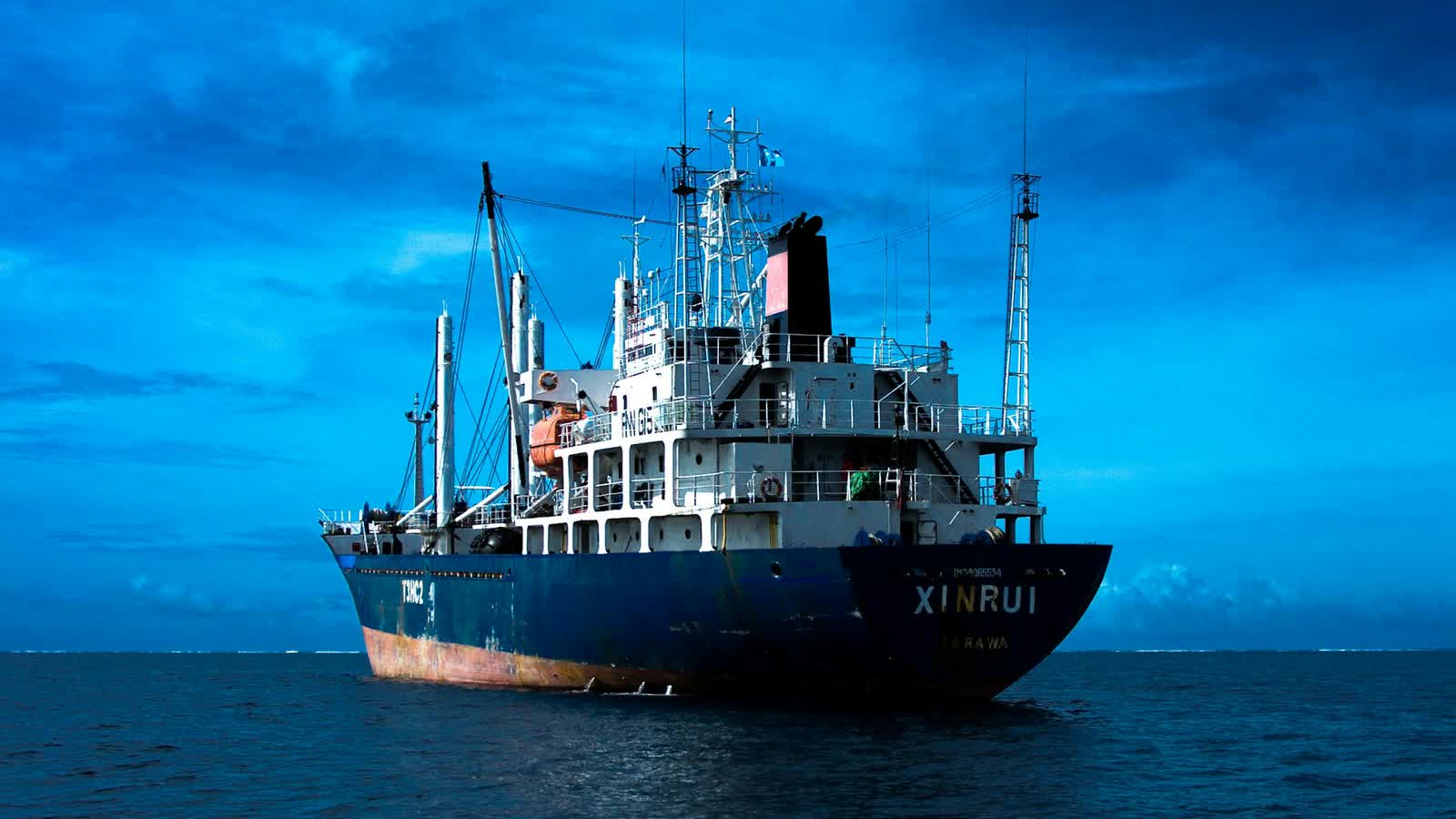
Divers working under a ship are in danger from things the crew uses every day: propellers that turn, thrusters, sea chest suctions, echo sounders and overboard discharges. Most delays on hull cleaning jobs come from isolations not being ready when the team arrives. This checklist is for the master and chief engineer.
Before the team arrives
- Port and terminal permissions confirmed with the agent
- Time window confirmed against cargo, ballast and bunkering operations
- Launch and boarding arrangements agreed
- Dive supervisor's contact and the company's safety documents received
Machinery isolations
- Main engine stopped and locked out; start air or controls isolated as per the ship's procedure
- Shaft turning gear disengaged, and the propeller shaft prevented from turning
- Bow and stern thrusters isolated at the breaker and locked out
- CPP pitch fixed if fitted, and hydraulics isolated where required
Sea chests and discharges
- Sea chest suctions on the work side managed so divers are not drawn in; changeover to the other side where possible
- Overboard discharges near the work area stopped
- Impressed current cathodic protection (ICCP) switched off where it creates a hazard to divers, per the dive company's requirements
Underwater equipment
- Echo sounders, sonar and speed logs switched off
- Any other transducers that can harm divers isolated
Signals and communications
- Diving signal (Code flag A) displayed, and local signals as required
- A direct communication line between the bridge, engine control room and dive supervisor
- Duty officer briefed on emergency procedures
Sign-off
The dive supervisor and the ship's responsible officer go through the checklist together and sign it before any diver enters the water. Isolations stay in place until the supervisor confirms all divers are out.
Common causes of delay
- Isolations not started until the team is alongside
- Cargo or ballast operations needing a sea chest the divers must avoid
- Unclear authority on board for signing isolations
- Waiting for port permission that should have been arranged earlier
See the step-by-step hull cleaning procedure and the complete guide to ship hull cleaning.
Working with Cleanship
We send our isolation checklist with the booking so the ship can prepare before we arrive. See our underwater hull cleaning service or contact us.
Sources & further reading
Frequently asked questions
What must be isolated before divers clean a hull?
The main engine and propeller shaft, thrusters, controllable pitch hydraulics where fitted, sea chest suctions and discharges near the work area, echo sounders and sonar, and impressed current systems where required.
Who signs the diving isolation checklist?
The dive supervisor and the ship's responsible officer, together, before any diver enters the water.
What signal is shown during diving operations?
Code flag A, plus any local signals the port requires.
How can delays be avoided on hull cleaning jobs?
Start isolations before the team arrives, coordinate cargo and ballast operations, make sure someone on board has authority to sign, and confirm port permissions in advance.
- prepare ship for hull cleaning
- hull cleaning safety isolation
- propeller lock out divers
- diving operations ship checklist
- diver safety isolations ship
Related articles
- Hull cleaningDiver brush carts, cavitation, water jet or ROV: comparing in-water cleaning methodsHow the main in-water hull cleaning methods work, which fouling and coatings each suits, and the trade-offs in speed, coating risk, capture and port acceptance.
- Hull cleaningUnderwater hull cleaning step by step: from enquiry to final reportWhat actually happens before, during and after an in-water hull clean: enquiry, scoping, permits, ship preparation, inspection, cleaning, niche areas, propeller and the final report.
- Hull cleaningUnderwater hull cleaning in Singapore: what the port rules actually allowWhat Singapore's port rules allow for underwater cleaning and maintenance, how applications work, and how operators plan hull cleaning for ships calling Singapore.
- Hull cleaningPropeller polishing: how often, what it recovers and when it's a waste of moneyWhat underwater propeller polishing does, how roughness costs efficiency, how often to polish, and when polishing is the wrong spend, from a practical owner's point of view.