
By Cleanship Marine Services · Published · last updated · 4 min read
How to cut hold cleaning delays, off-hire and demurrage on bulk carriers
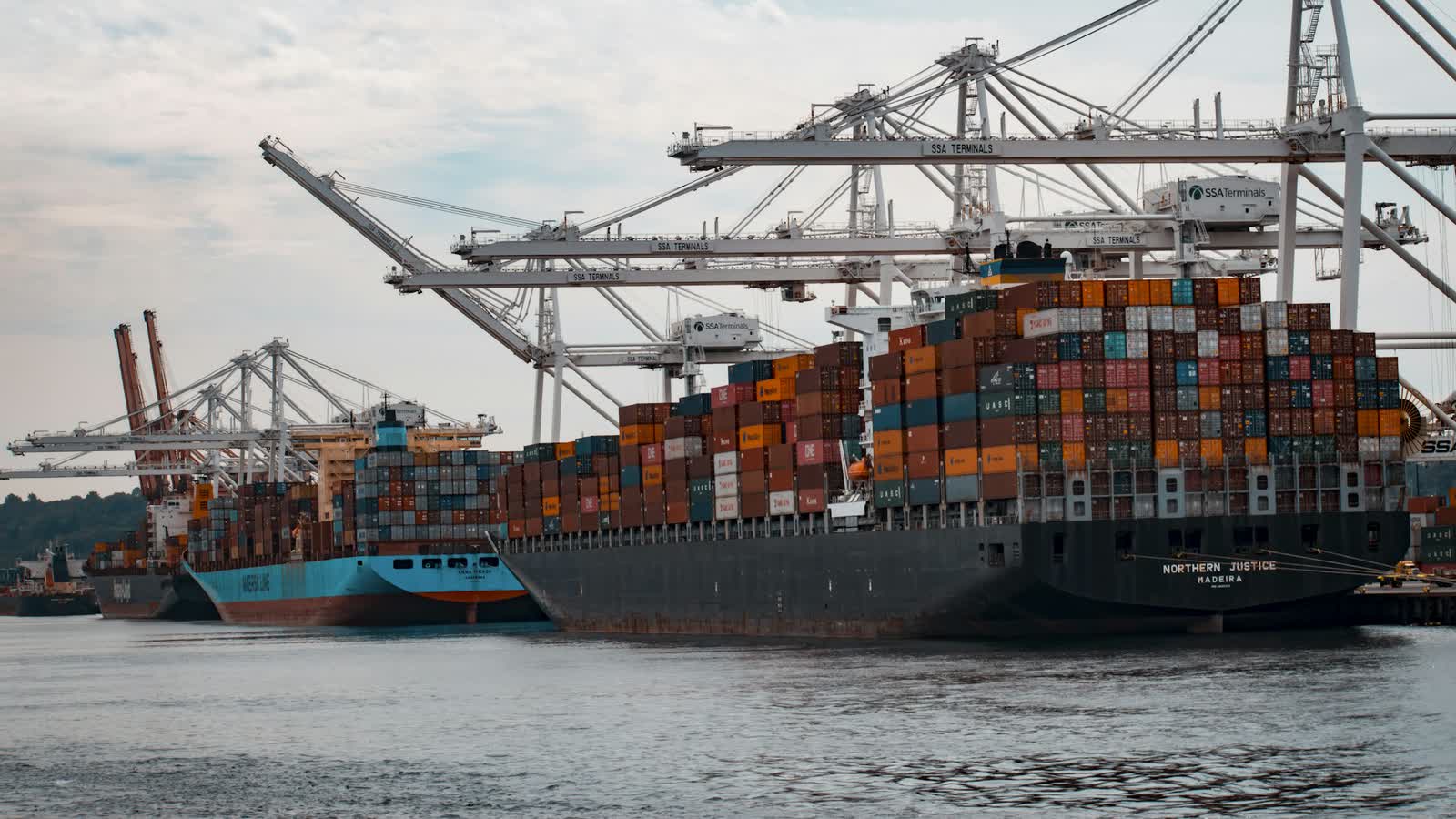
Nobody plans to lose a day to hold cleaning. It happens because a small gap in the plan (an unknown next cargo, a shortage of chemicals, an upper frame nobody could reach) turns into a failed inspection at exactly the moment the ship can least afford it. P&I clubs see the result all the time: off-hire claims, laytime disputes and charterparty arguments about who caused the delay.
The fixes are mostly simple. They just have to happen early.
Contents
- How much does a hold cleaning delay cost?
- 1. Know the next cargo, and the standard, early
- 2. Plan backwards from the inspection
- 3. Get residue out during discharge
- 4. Have the right stores on board
- 5. Clean on passage, not in port
- 6. Add people when the maths doesn't work
- When should you mobilise a shore cleaning team?
- 7. Solve the upper structure early
- 8. Pre-inspect strictly
- 9. Keep records
- How to avoid missing the loading window
How much does a hold cleaning delay cost?
Start with the obvious: one day of the ship's hire rate. Then add what that day can trigger:
- Off-hire or lost laytime while holds are re-cleaned
- Lost berth slot, with the ship waiting at anchor for the next one
- Missed laycan, giving the charterer the right to cancel
- Extra surveyor attendance
- Extra chemicals, labour and launch hire for an emergency re-clean
- Disputes about who pays, which take management time and sometimes legal fees
A day lost at the wrong moment can easily cost several times the price of doing the cleaning properly in the first place.
1. Know the next cargo, and the standard, early
Most delays start here. A crew that doesn't know the next cargo either cleans to the wrong standard or waits. Push for voyage instructions that state the cargo, the cleanliness standard and the inspection regime as early as possible. If the cargo isn't fixed, clean to grain standard by default. That's what P&I guidance recommends, and it's what most cargoes need.
2. Plan backwards from the inspection
Write down the inspection time. Then work backwards: drying, fresh water rinse, washing and chemicals, sweeping. Compare that to the time you have. If it doesn't fit, you know before the ship sails, not when the surveyor walks in. Our guide on how long hold cleaning takes gives planning figures.
3. Get residue out during discharge
The quickest residue to clean is the residue that never stays on board. Ask stevedores to sweep down and clear ledges while their equipment is in the hold. Start cleaning hatch covers and coamings as each hold empties.
4. Have the right stores on board
Skuld's guidance includes a case where a ship couldn't do its planned cleaning on passage because of weather, arrived at the load port needing more cleaning than expected, and didn't have the materials on board, which weren't available locally either. The dispute about who paid for the delay could have been avoided with more advance planning. Check before sailing:
- Chemicals matched to the residue, in sufficient quantity
- Fresh water for the final rinse
- HP pumps serviced and working, with spare hoses and nozzles
- Access equipment for the upper structure
- PPE for everyone who'll be working
5. Clean on passage, not in port
Every cleaning hour moved from port to passage is an hour of port time saved. See our guide on cleaning holds during the voyage for what MARPOL allows and how to plan it.
6. Add people when the maths doesn't work
Is it cheaper to use ship's crew or a shore gang? On paper, crew is cheaper because there are no extra wages. In practice, if the crew needs five days and you have two, the extra three days cost far more than a gang. The question to ask is "what does it cost not to?"
- Shore gangs work alongside or at anchorage, often starting as each hold empties, and can work several holds at once.
- Riding crews sail with the ship and clean on passage, so port time isn't used.
- Rope access teams solve the upper-structure bottleneck without staging.
When should you mobilise a shore cleaning team?
As soon as you know the cleaning won't fit inside the time available. Typically that's when the fixture is agreed, or when discharge starts and you can see the state of the holds. Mobilising takes time: people have to travel, get port passes and get to the ship. The earlier you call, the more options you have, and the less it costs. Last-minute call-outs are possible, but they're always more expensive and sometimes not possible at all.
7. Solve the upper structure early
The upper frames are where holds fail and where crews struggle. Decide how you're going to reach them before you start: long-reach jets, cherry picker, staging or rope access. Don't leave it until the surveyor points at them.
8. Pre-inspect strictly
A Chief Officer's pre-inspection that's as strict as the surveyor's catches problems while they're still cheap to fix. Use a torch, a scraper and a white cloth, and photograph everything. Our inspection failures guide lists where to look.
9. Keep records
If there's a dispute about who caused a delay, records decide it. Keep a cleaning log (holds, dates, times, methods, chemicals), photographs before and after, the Garbage Record Book entries, communications with charterers, and the surveyor's written findings.
How to avoid missing the loading window
- Know the laycan and the inspection timing at the load port
- Plan cleaning to finish with a margin, not exactly on time
- Report progress to the charterer daily, so there are no surprises
- Escalate early if the plan slips. Charterers can sometimes adjust; they can't adjust to news they hear at the last minute
Sources & further reading
Frequently asked questions
How can I reduce bulk carrier hold cleaning time?
Know the next cargo early, remove residue during discharge, have chemicals and fresh water on board, clean on passage, add people when time is short and solve access to the upper structure before starting.
How much does a hold cleaning delay cost a vessel?
At least one day's hire per day lost, plus potential off-hire, lost berth slots, missed laycans, extra survey fees and re-cleaning costs. It's often several times the cost of doing the cleaning properly.
Is it cheaper to use ship's crew or a shore gang?
Ship's crew costs no extra wages but is slower and limited by watchkeeping. If the crew can't finish in the time available, a shore gang is usually cheaper than the days it saves.
When should I mobilise a shore cleaning team?
As soon as you know the cleaning won't fit in the time available, ideally when the fixture is agreed or when discharge starts. Early mobilisation is cheaper and more reliable.
Can riding crew save a port day?
Yes. By cleaning during the ballast passage, a riding crew can save one or more port days that would otherwise be spent cleaning at anchor or alongside.
- reduce hold cleaning time
- hold cleaning delay
- demurrage hold cleaning
- off-hire failed hold inspection
- missed laycan hold cleaning
- hold cleaning planning
- mobilize shore cleaning team
Related articles
- Planning & costCan cargo holds be cleaned during the voyage? Cleaning at sea and at anchorage before the load portWhen and how bulk carrier holds can be cleaned at sea or at anchorage, what MARPOL allows for wash water, weather and safety limits, and how to plan cleaning en route to the loading port.
- Planning & costCan a riding crew clean bulk carrier holds? How riding squads work, what they cost and when they pay offHow riding crews clean bulk carrier cargo holds on passage — documentation, team size, what they can and can't do, joining at ports like Singapore or Fujairah, and how they save port days.
- Planning & costCleaning cargo hold upper frames without scaffolding: how rope access works in bulk carrier holdsHow rope access technicians clean cargo hold upper frames, brackets and bulkheads above 7 metres without scaffolding or cherry pickers, how many you need, IRATA, and whether it's safer.
- Planning & costHow long does bulk carrier hold cleaning take? Realistic timings and manpowerRealistic hold cleaning timings for bulk carriers — per hold and per ship, by previous cargo and cleanliness standard — plus how many people you need to clean five holds and what slows the job down.