
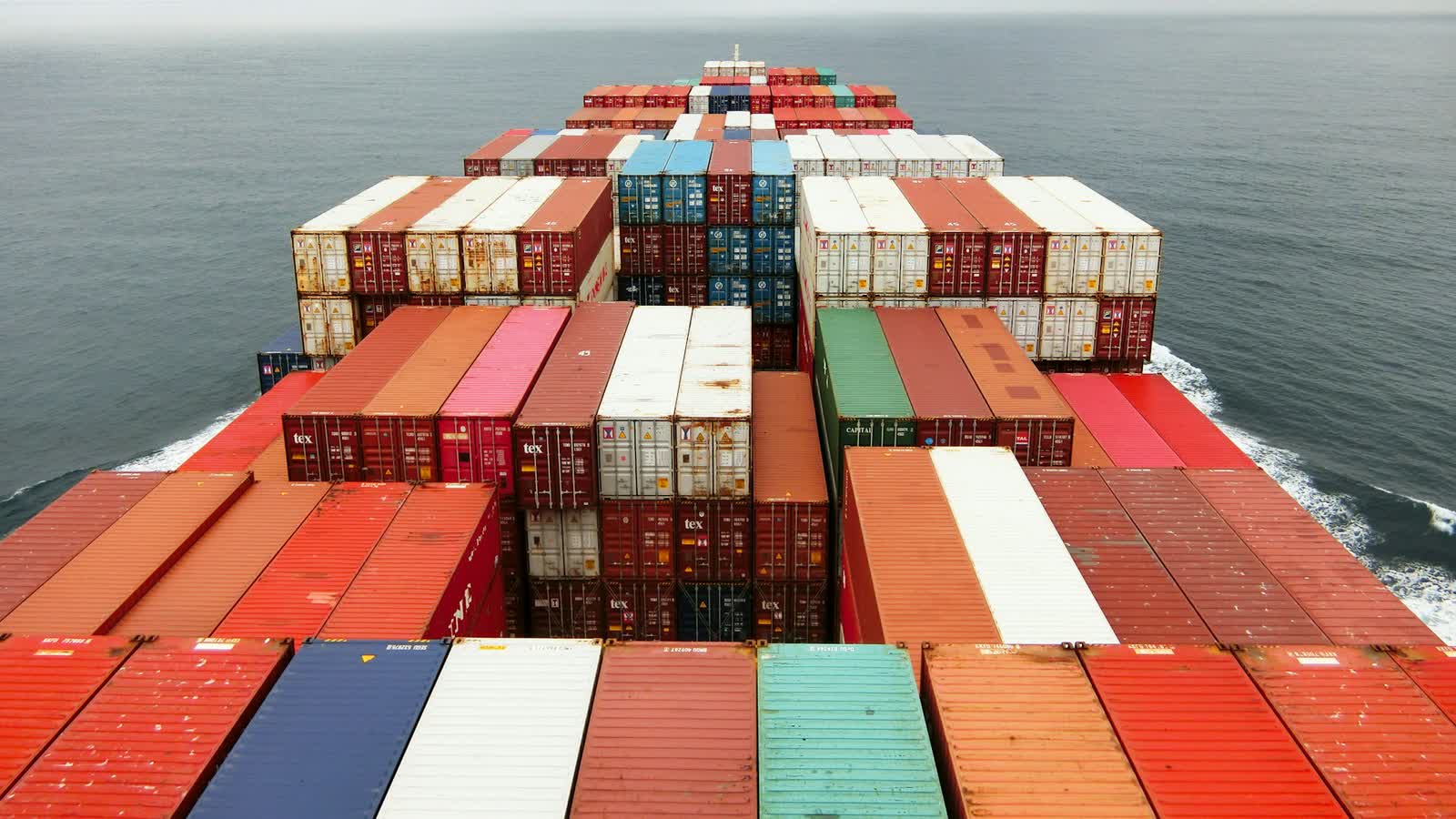
Hold Cleaning at Yanbu Port
Holds ready for the next fixture at Yanbu Port — Saudi Arabia's Red Sea crude and petrochemical export terminal.
Get a quote
Tell us the vessel, the port and the window. Scoped reply, usually the same working day.
Cleanship Marine cleans cargo holds at Yanbu Port (SAYBI), Al Madinah Province — shore gangs alongside, riding crews on the passage out, and IRATA rope access teams for the upper hold. The hold scope at Yanbu is sulphur — acidic, aggressive to coating and steel, and unacceptable to any following cargo if it is left. Washing and neutralising is a specification job, and the loading berth is not where it happens; the passage out is.
Working conditions at Yanbu
Work here starts alongside, and where the berth window runs out it continues on the outward passage with a riding crew — the berth will not be held open for it. The northerly Red Sea wind sets the outer limits of the calendar, strongest through the winter and spring, and it affects the anchorage far more than the berth. Heat and humidity are the harder constraint. The Red Sea is among the warmest and most saline bodies of water the fleet trades in — which grows fouling faster than the Gulf does — and between June and September enclosed-space work runs to shortened cycles with enforced rest and forced ventilation. Access approval runs through Mawani and the Royal Commission for Yanbu and the terminal, and the disposal route for residues and washings is fixed before the gang boards rather than found afterwards.
- Where we work
- Crude loading berths · Product jetties · Sulphur berth
- Vessels we see here
- VLCC and Suezmax crude tankers · Product and chemical tankers · LPG carriers · Bulk carriers
Hold Cleaning scopes at Yanbu
3 scopes, one team and one mobilisation. Most vessels calling here take more than one on the same attendance.
Planning the window at Yanbu
The northerly Red Sea wind governs the calendar at Yanbu Port, strongest through the winter and spring. For hold work the wind matters less than the rain: holds cannot be washed, dried and closed in wet weather, and a hold shut up damp fails inspection however clean it looks. Turnaround here is quick and the berth will not be held open for cleaning, so the work is either sequenced hold by hold behind the discharge as each one empties, or handed to a riding crew to complete on the passage out. Waiting for all holds to be empty is waiting past the berth window.
Teams mobilise via Yanbu (YNB) or Jeddah (JED), so give us the ETA as early as you have it — the travel is the flexible part, the approvals and the working window are not.
What we typically find at Yanbu
The standing residues at Yanbu Port are crude oil, refined products and petrochemicals — the dusty, abrasive kind that films every surface and packs into frames, brackets and the tank-top margins. Anything following into a clean or food-grade cargo needs the full sequence: sweep, wash, rinse and dry, not a hose down.
What we usually find here is a partial job already attempted: crew sweeping between grabs, with the frames, brackets and tank-top margins untouched because there was never the time to reach them. Those are exactly the places an inspection looks.
How we deliver it at Yanbu
- 1
Scope and vessel details
Tell us the vessel, her particulars, the last and next cargo and the window at Yanbu. We come back with a defined scope, a crew size and a duration we will stand behind. Where the conditions here will not support what has been asked for, we say so at this stage rather than after mobilisation.
- 2
Approvals and waste routing
Access at Yanbu Port is the terminal operator's decision as much as Mawani and the Royal Commission for Yanbu's, so both are in the approval chain from the start — a berth-side refusal discovered at the gangway costs the whole attendance. The disposal route for residues and washings is fixed before the gang boards — MARPOL Annex V compliance is a documented chain, not an assurance. Where reception at Yanbu is limited, the plan changes rather than the paperwork.
- 3
Mobilisation to Yanbu
Gangs, pumps, chemicals and equipment mobilise via Yanbu (YNB) or Jeddah (JED). Where a vessel is also calling at Jeddah, one mobilisation is normally sized to cover both.
- 4
Entry, sequencing and the work
Enclosed-space entry runs to the vessel's own permit system, with a fresh gas test before every entry and after every break. Gas testing, standby cover and continuous supervision run throughout, and progress is reported hold by hold rather than only at the end.
- 5
Report and handover
A completion report covering hold cleaning is issued with before-and-after imagery, hold by hold and anything found that you should know about. The findings are discussed with the vessel rather than emailed and forgotten.
Yanbu Port at a glance
- UN/LOCODE
- SAYBI
- Port type
- Private Port
- State
- Al Madinah Province
- Country
- Saudi Arabia
- Water body
- Red Sea
- Port authority
- Mawani and the Royal Commission for Yanbu
- Main cargoes
- Crude oil, Refined products, Petrochemicals, LPG, Sulphur
- Crew mobilisation
- Yanbu (YNB) / Jeddah (JED)
- Services here
- Hull Cleaning, Hold Cleaning and Tank Cleaning
Frequently asked — Yanbu Port
Does Cleanship provide hold cleaning at Yanbu Port?
Yes. We cover the full hold cleaning scope at Yanbu Port (SAYBI), Al Madinah Province — cargo hold cleaning (shore gang), hold cleaning riding crew and rope access hold cleaning. Teams mobilise via Yanbu (YNB) or Jeddah (JED).
Where is the work done at Yanbu — alongside, at anchorage or on passage?
Work here starts alongside, and where the berth window runs out it continues on the outward passage with a riding crew — the berth will not be held open for it. Between June and September the binding constraint is working temperature inside the space rather than access to it.
Who approves hold cleaning work at Yanbu?
Mawani and the Royal Commission for Yanbu issues the port-side approval at Yanbu Port, with terminal approval on top where the berth requires it. We arrange both, along with the waste reception and disposal route, so it does not fall to the agent or the master.
Which vessels call at Yanbu?
VLCC and Suezmax crude tankers, Product and chemical tankers, LPG carriers, Bulk carriers — Yanbu Port is Saudi Arabia's Red Sea crude and petrochemical export terminal, handling crude oil, refined products, petrochemicals, LPG and sulphur. What sizes a hold job is the number of holds, the last cargo and the standard the next fixture demands — not the vessel's dimensions.
Can this be done without taking the vessel off hire at Yanbu?
Yes — that is the point of it. Every scope listed here is carried out with the vessel afloat and working, at the berth, at the anchorage or on the passage out. Shore gangs work alongside or at anchorage and riding crews finish on the passage, so no port time is spent on cleaning and the vessel is never off hire.
Do you cover other ports near Yanbu?
Yes. Jeddah, King Abdullah Port and Jubail all sit within the same operating range for hold cleaning, and a single mobilisation is often sized to cover more than one vessel on the same trip. We work 65 ports on the coverage list for this line.
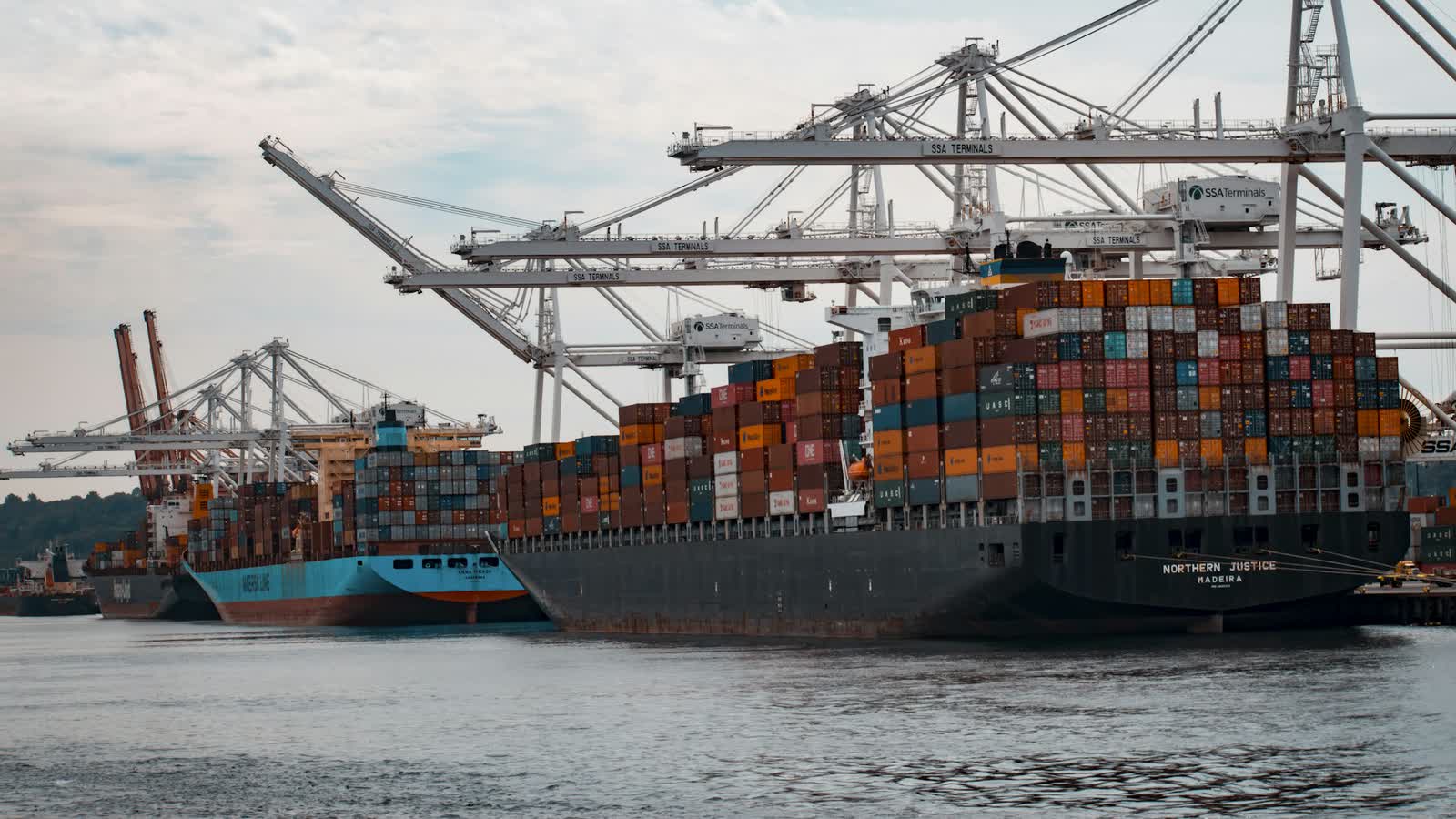
Hold Cleaning at Yanbu Port.
Tell us the vessel, her ETA at Yanbu and the window. You get a scope, a crew size and an honest duration — usually the same working day.