
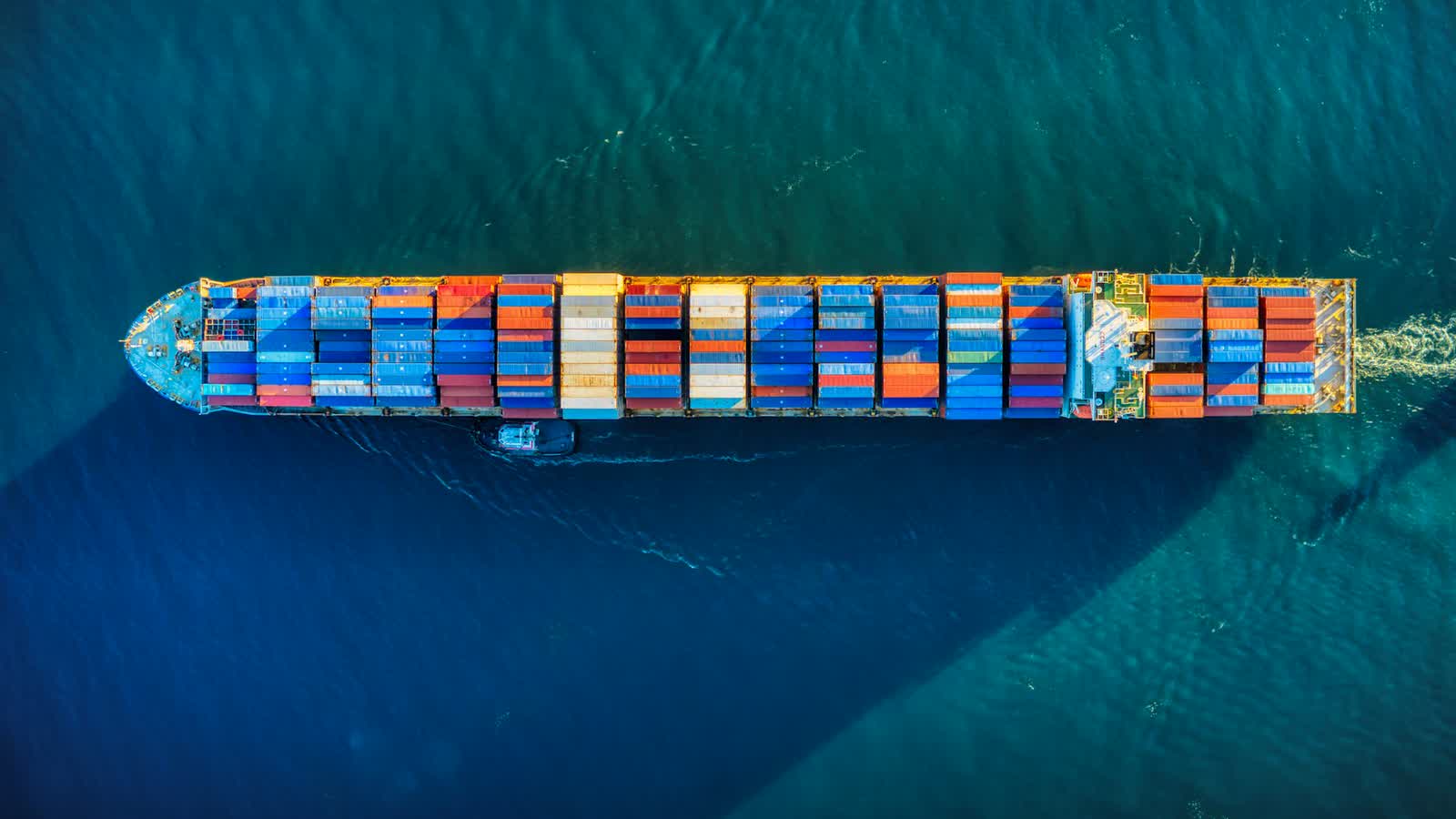
Rope Access Hold Cleaning at Lomé Port
The upper hold reached without staging
Get a quote
Tell us the vessel, the port and the window. Scoped reply, usually the same working day.
Cleanship Marine provides IRATA rope access teams at Lomé Port, Maritime Region, to clean, inspect and treat the upper areas of cargo holds — hatch coamings, upper frames, transverse bulkheads and the underside of hatch covers — without staging or cherry pickers.
The top third of a cargo hold is where staging costs, schedule and risk all concentrate, and it is the part a deck-level gang cannot reach properly. Rope access removes the scaffolding from the equation entirely. At Lomé it also fits the schedule: the upper hold can be worked from ropes while the lower hold is still discharging, so the two do not queue behind each other.
What it gets you
- Upper hold areas actually reached and cleaned, not just the parts a gang can stand on
- No staging cost, no cherry picker and no lost days erecting and striking it
- Structural condition at height inspected while the technicians are already there
- Fewer people working at height, under a written plan with a rescue capability
Working conditions at Lomé
Work here runs both alongside and at anchorage depending on the call, and on the passage out where neither gives enough time. The combination of Atlantic swell and rain sets the outer limits of the calendar, with the heaviest rain from May to October and swell running year-round, and it affects the anchorage far more than the berth. Humidity is high year-round and the rains make it worse, which matters more than temperature for enclosed-space work: holds will not dry, and a hold that cannot be dried cannot be closed. Access approval runs through Port Autonome de Lomé and the terminal, and the disposal route for residues and washings is fixed before the gang boards rather than found afterwards.
- Where we work
- Container terminal berths · Bunkering anchorage · General cargo and bulk berths
- Vessels we see here
- Main-line and feeder container ships · Bunker tankers and barges · Handysize bulk carriers · General cargo ships
What we do at Lomé
- IRATA-certified technicians working to a written rope access plan with a rescue plan in place
- Hatch coamings, upper frames, transverse bulkheads and hatch cover undersides cleaned
- Spot blasting, rust removal and touch-up coating at height where the scope calls for it
- Close visual inspection of upper structure, reported with photographs at position
- Work planned around the discharge sequence and the working rules in force at Lomé
- Completion report with before-and-after imagery by hold and by area
Planning the window at Lomé
The combination of Atlantic swell and rain governs the calendar at Lomé Port, with the heaviest rain from May to October and swell running year-round. For hold work the wind matters less than the rain: holds cannot be washed, dried and closed in wet weather, and a hold shut up damp fails inspection however clean it looks. Some vessels sit and some turn straight round, so the plan is agreed against the actual call rather than a standard package: a shore gang alongside where there is time, a riding crew on the outward passage where there is not.
Teams mobilise via Lomé (LFW), so give us the ETA as early as you have it — the travel is the flexible part, the approvals and the working window are not.
What we typically find at Lomé
Lomé Port runs containers and transhipment, bunkers, clinker and cement through the same holds, and that sequence is where the money is lost: mineral fines and dust from one fixture will fail an inspection for the next if the holds are only swept. The standard that matters is the one the next cargo demands, not the one the last one left.
The condition we find here varies more than at most ports, because some vessels have had days at anchor to work the holds and some have had none. The scope is confirmed on boarding rather than assumed from the fixture.
Standard scope of work
Included as standard on every rope access hold cleaning attendance, wherever the vessel is. Anything outside it is quoted separately and flagged before mobilisation, never added afterwards.
- Upper frame and bulkhead cleaning
- Washing and residue removal on upper side frames, brackets, stiffeners and transverse bulkheads that deck-level equipment cannot reach.
- Hold overhead and hatch underside
- Cleaning of the hold overhead, hatch cover undersides and coaming internals, where cargo dust and previous-cargo residue routinely accumulate.
- Close-up visual inspection
- Structural condition, coating breakdown and corrosion recorded at height with photographs, giving you inspection-quality data as a by-product of the clean.
- Spot preparation and coating
- Localised descaling, surface preparation and touch-up coating applied at height, so identified breakdown is treated in the same mobilisation.
- Rigging, rescue and supervision
- Every work site is rigged with independent working and backup lines under a Level 3 supervisor, with a documented rescue plan in place before the first descent.
How we deliver it at Lomé
- 1
Scope and vessel details
Tell us the vessel, her particulars, the last and next cargo and the window at Lomé. We come back with a defined scope, a crew size and a duration we will stand behind. Where the conditions here will not support what has been asked for, we say so at this stage rather than after mobilisation.
- 2
Approvals and waste routing
Port Autonome de Lomé approves the work alongside the local harbour master, and at a state port that conversation is quicker but less formal — it is worth having in writing. The disposal route for residues and washings is fixed before the gang boards — MARPOL Annex V compliance is a documented chain, not an assurance. Where reception at Lomé is limited, the plan changes rather than the paperwork.
- 3
Mobilisation to Lomé
Gangs, pumps, chemicals and equipment mobilise via Lomé (LFW). Where a vessel is also calling at Kpémé, one mobilisation is normally sized to cover both.
- 4
Entry, sequencing and the work
Enclosed-space entry runs to the vessel's own permit system, with a fresh gas test before every entry and after every break. Gas testing, standby cover and continuous supervision run throughout, and progress is reported hold by hold rather than only at the end.
- 5
Report and handover
A completion report covering rope access hold cleaning is issued with before-and-after imagery, hold by hold and anything found that you should know about. The findings are discussed with the vessel rather than emailed and forgotten.
Lomé Port at a glance
- UN/LOCODE
- TGLFW
- Port type
- State Port
- State
- Maritime Region
- Country
- Togo
- Water body
- Gulf of Guinea
- Port authority
- Port Autonome de Lomé
- Main cargoes
- Containers and transhipment, Bunkers, Clinker and cement, General cargo, Cotton and agricultural bulk
- Crew mobilisation
- Lomé (LFW)
- Services here
- Hull Cleaning, Hold Cleaning and Tank Cleaning
Frequently asked — Rope Access Hold Cleaning at Lomé
Do you provide rope access hold cleaning at Lomé Port?
Yes. Cleanship Marine works Lomé Port (TGLFW) in Maritime Region, Togo, covering the container terminal berths, bunkering anchorage, general cargo and bulk berths. Teams mobilise via Lomé (LFW) with the full spread.
Can rope access hold cleaning be done while the vessel works cargo at Lomé?
It depends on the call. Where the vessel has time, a shore gang works the holds alongside as they empty; where she turns straight round, a riding crew completes them on the passage. The vessel stays on hire throughout, and there is no diversion and no dry dock. We scope against the conditions at Lomé and tell you honestly whether the window you have is enough.
How are hold washings and cargo residues disposed of at Lomé?
To MARPOL Annex V, through the reception route agreed with Port Autonome de Lomé and the terminal before the gang boards. Residues, sweepings and washing water are tracked from the hold to reception with documentation, so the vessel has a record rather than an assurance. Where reception capacity at Lomé is limited, we change the plan rather than the paperwork.
Where is the work done at Lomé — alongside, at anchorage or on passage?
Work here runs both alongside and at anchorage depending on the call, and on the passage out where neither gives enough time. Between June and September the binding constraint is working temperature inside the space rather than access to it.
Which vessels do you carry out rope access hold cleaning on at Lomé?
Main-line and feeder container ships, Bunker tankers and barges, Handysize bulk carriers, General cargo ships — the traffic at Lomé Port runs to containers and transhipment, bunkers, clinker and cement, so those are the profiles we see most. The scope is sized to the vessel, not to a standard package.
How quickly can a team mobilise to Lomé?
Crews and equipment mobilise via Lomé (LFW). Give us the ETA and the window and we will confirm what is achievable rather than promise a date we cannot hold. Where the vessel also calls at Cotonou or Tema, one mobilisation is often sized to cover both.
What does rope access hold cleaning at Lomé cost?
It depends on the number of holds, the residue from the last cargo, the standard the next fixture demands and how much time the call at Lomé actually gives. We would rather scope it properly and give you a specific figure than quote a headline rate that changes once the work starts. Send the details and the window at Lomé and you get a scoped price, usually the same working day.
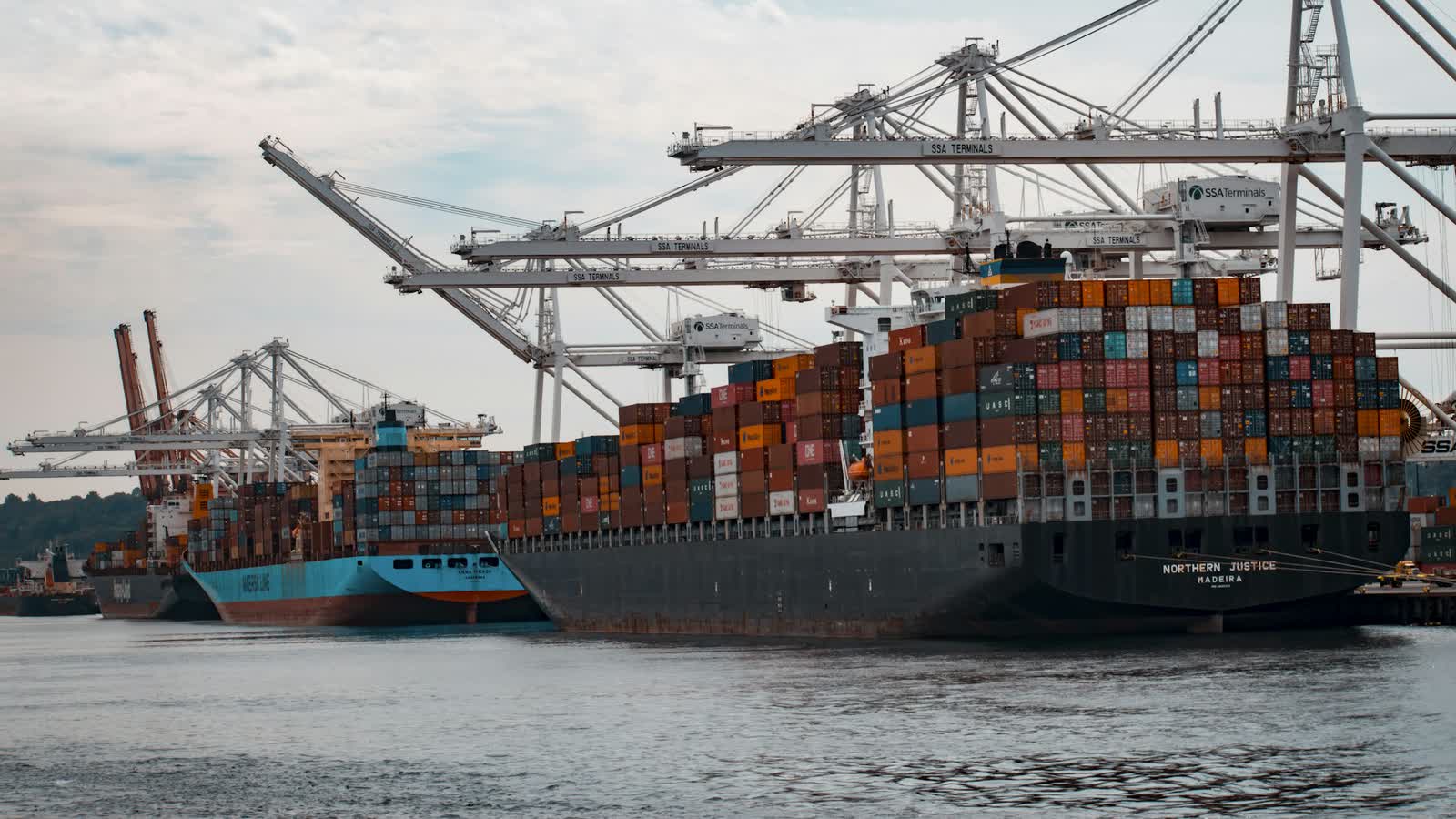
Rope Access Hold Cleaning at Lomé Port.
Tell us the vessel, her ETA at Lomé and the window. You get a scope, a crew size and an honest duration — usually the same working day.