By Capt. Neeraj Bharti, Founder, Master Mariner · Published · 2 min read
Crude oil to clean products: direct changeover or intermediate cargo?
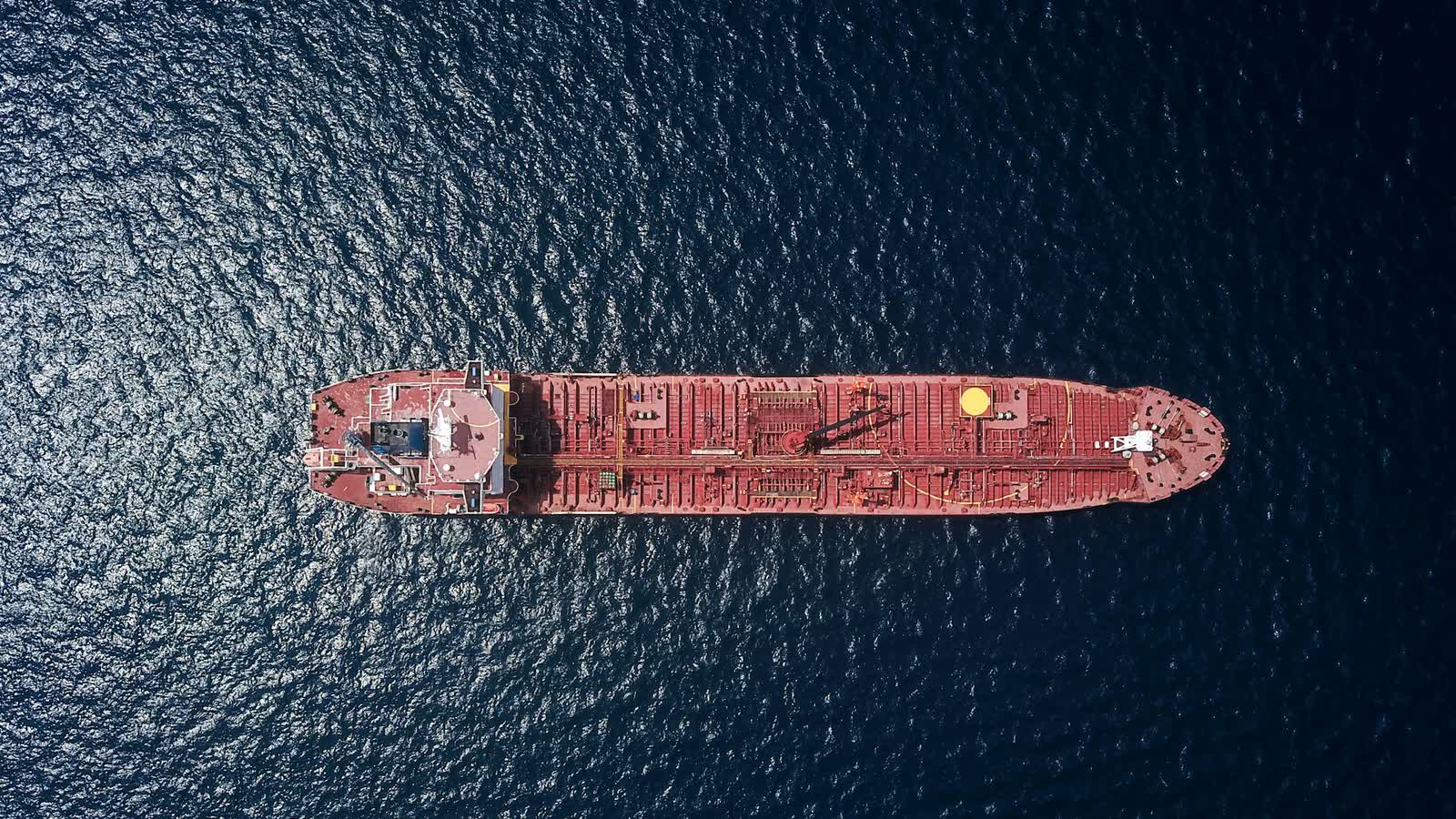
Crude oil leaves its own kind of residue: wax, asphaltenes, sediment and a long tail of heavy components that cling to tank surfaces and settle in bottoms. Moving a tanker from crude to a clean product is one of the bigger changeovers, and a common question is whether to do it directly or use an intermediate cargo to step the ship down.
Direct changeover
A direct changeover means cleaning straight from crude to the target clean grade. It can work when:
- The next grade is tolerant, for example some gasoils, and the charterer accepts the history
- The coating is in good condition and sheds residue
- There is enough time, heat and people for thorough washing, demucking if needed, and manual finishing
- Slop capacity and disposal are available for the volume of washings
It is faster and avoids carrying a cargo you would rather not, but it puts all the risk on one cleaning job.
Intermediate cargo
An intermediate cargo is a less sensitive product carried between the crude and the target grade. Each cargo, and each round of washing, steps the ship closer to clean. It makes sense when:
- The target grade is sensitive, such as jet fuel or naphtha, and the charterer's previous-cargo rules require it
- The coating is old and holds dark cargo
- Time is short for a full direct clean
- Sediment is heavy and the tanks will need more than one cycle to come clean
How to decide
- Check the charterer's rules for the target grade. For jet fuel especially, previous cargo history may decide the question. See Jet A-1 after dirty cargo.
- Assess the coating. See end-of-life tank coating.
- Assess tank bottoms for sediment and wax. See demucking before a changeover.
- Compare time and cost: a direct changeover with the work it needs, against the voyage and cleaning for an intermediate cargo.
- Consider the risk of a failed inspection or off-spec cargo on a direct changeover.
Cleaning after crude
Whichever route, crude cleaning usually needs:
- Hot washing, often several cycles
- Attention to wax and sediment in bottoms and around structure
- Lines, pumps and coils thoroughly flushed
- Manual finishing, mopping and drying
- Careful gas-freeing for any entry
See the DPP to CPP changeover guide.
How Cleanship helps
We plan and carry out crude-to-clean changeovers, including demucking, from our bases at Fujairah and in India. Send us the cargo history and target grade for advice before fixing. See our DPP and CPP tank cleaning service.
Sources & further reading
Frequently asked questions
Can a tanker go straight from crude oil to clean products?
Sometimes, if the target grade and the charterer accept the history, the coating is in good condition, and there is enough time, heat, people and slop capacity for a thorough clean.
What is an intermediate cargo?
A less sensitive product carried between a dirty cargo and the target clean grade, so the ship is stepped down towards clean over more than one cargo and cleaning cycle.
When is an intermediate cargo the better choice?
When the target grade is sensitive (such as jet fuel or naphtha), the coating is old, time is short, sediment is heavy, or the charterer's previous-cargo rules require it.
Why is crude oil hard to clean?
Crude leaves wax, asphaltenes and sediment that cling to surfaces and settle in tank bottoms, often needing hot washing, several cycles and manual removal.
- crude oil to clean products
- crude to CPP changeover
- intermediate cargo tanker
- crude oil tank cleaning
- tanker trade switch crude clean
Related articles
- Tank cleaningReading HM 50: turning the previous/next cargo matrix into a cleaning planHow to use the Energy Institute's HM 50 guidance for tanker tank preparation as the starting point for a practical cleaning plan, and where the ship and charterer still need to add detail.
- Tank cleaningDemucking before a changeover: when tank bottoms need manual removalWhen sediment, sludge and wax in tank bottoms mean washing alone will not work, how demucking is done safely, and how to fit it into a changeover plan.
- Tank cleaningCleaning on the ballast passage: how riding crews handle changeovers at seaHow a riding squad joins a product tanker and carries out a DPP to CPP changeover during the ballast passage, what the ship needs to provide, and how weather, slops and safety are managed.
- Tank cleaningHow long does a DPP to CPP changeover take? What drives the timelineThe factors that decide how long a dirty-to-clean changeover takes on a product tanker, and how to shorten it with planning, heat, people and parallel work.