By Capt. Neeraj Bharti, Founder, Master Mariner · Published · 2 min read
Hull cleaning at anchor vs alongside: what changes in planning, safety and productivity
Where the ship is during a hull clean changes almost everything about the job: how the team gets there, how long divers can work, what can run in parallel, and what the port will allow. Neither location is always better. Here is how they compare.
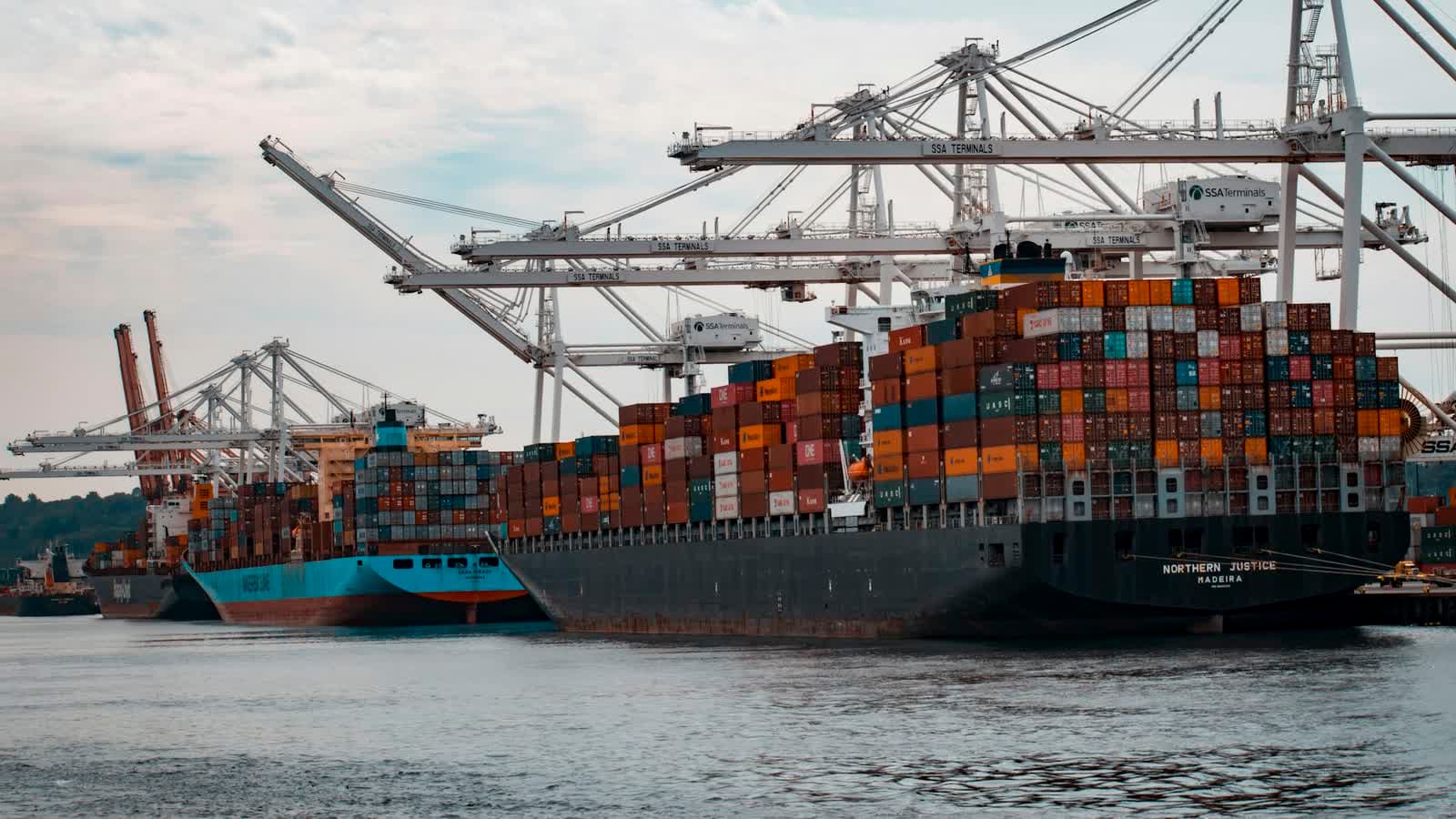
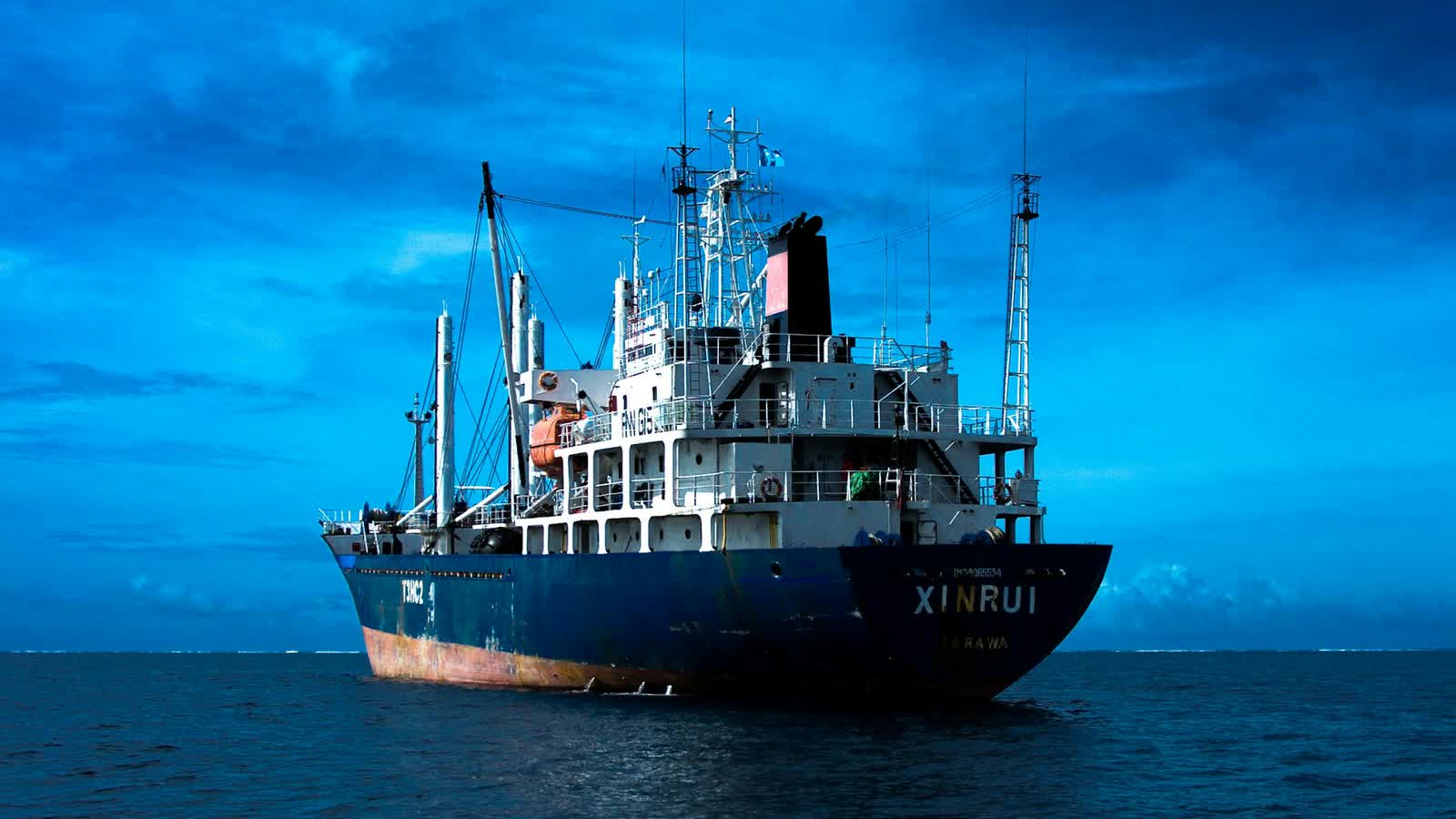
At anchor
Advantages
- Ships often wait at anchor anyway, so cleaning costs no extra port time
- Both sides of the hull are usually accessible
- No conflict with quay-side cargo operations
Challenges
- Team and equipment travel by launch, which adds cost and depends on weather
- Swell and current can limit diving time and productivity
- The ship swings on her anchor, which divers must allow for
- Some ports restrict diving at anchorages or only allow daylight work
Alongside
Advantages
- Easy access from the quay; no launch needed
- Usually more sheltered water
- Equipment can be staged on the quay
Challenges
- The quay side of the hull is hard or impossible to reach
- Cargo and ballast operations may need sea chests and overboard discharges the divers must avoid
- Terminal permission is needed as well as port permission
- Berth time is expensive; the clean must fit the cargo window
Productivity
Productivity depends mainly on visibility, current, swell and daylight rules. Sheltered berths often give steadier conditions; open anchorages can give clearer water but more swell. Tidal ports with strong currents, such as Kandla, need diving planned around slack water. We cover duration in its own article.
Safety
The isolation checklist is the same in both cases (see preparing a vessel for hull cleaning), but alongside work adds coordination with terminal operations, and anchorage work adds launch transfers and weather limits.
How to choose
- If the ship will wait at anchor anyway, clean there.
- If the ship goes straight alongside with a long enough cargo window and the port allows it, clean there, accepting the quay side may be limited.
- If the quay side matters (heavy fouling both sides), plan for an anchorage clean.
- Always confirm port and terminal rules for the chosen location.
Cleanship
We clean at anchorages and alongside from bases in the UAE and India, including Fujairah and Kandla. See the complete guide to ship hull cleaning or contact us.
Sources & further reading
Frequently asked questions
Is it better to clean a hull at anchor or alongside?
Neither is always better. Anchorage cleaning uses waiting time and gives access to both sides; alongside cleaning is easier to access but may not reach the quay side and must fit cargo operations.
Can hull cleaning be done during cargo operations?
Sometimes, if the terminal allows it and the sea chests and discharges the divers must avoid are not needed for cargo or ballast work at the time.
What limits diving productivity at anchor?
Swell, current, visibility, the ship swinging on her anchor, launch transfers and any daylight-only diving rules.
Do I need terminal permission to clean alongside?
Usually yes, in addition to port permission. The agent can confirm the requirements.
- hull cleaning at anchorage
- alongside hull cleaning
- underwater cleaning during cargo operations
- anchorage diving operations
- where to clean ship hull
Related articles
- Hull cleaningPreparing a vessel for underwater hull cleaning: isolations, permits and crew checklistWhat the ship must isolate, notify and arrange so divers can clean the hull safely and without delay, with a practical checklist for the master and chief engineer.
- Hull cleaningDiver brush carts, cavitation, water jet or ROV: comparing in-water cleaning methodsHow the main in-water hull cleaning methods work, which fouling and coatings each suits, and the trade-offs in speed, coating risk, capture and port acceptance.
- Hull cleaningUnderwater hull cleaning step by step: from enquiry to final reportWhat actually happens before, during and after an in-water hull clean: enquiry, scoping, permits, ship preparation, inspection, cleaning, niche areas, propeller and the final report.
- Hull cleaningUnderwater hull cleaning in Singapore: what the port rules actually allowWhat Singapore's port rules allow for underwater cleaning and maintenance, how applications work, and how operators plan hull cleaning for ships calling Singapore.