By Capt. Neeraj Bharti, Founder, Master Mariner · Published · 2 min read
The slop tank: the tank everyone forgets in a changeover
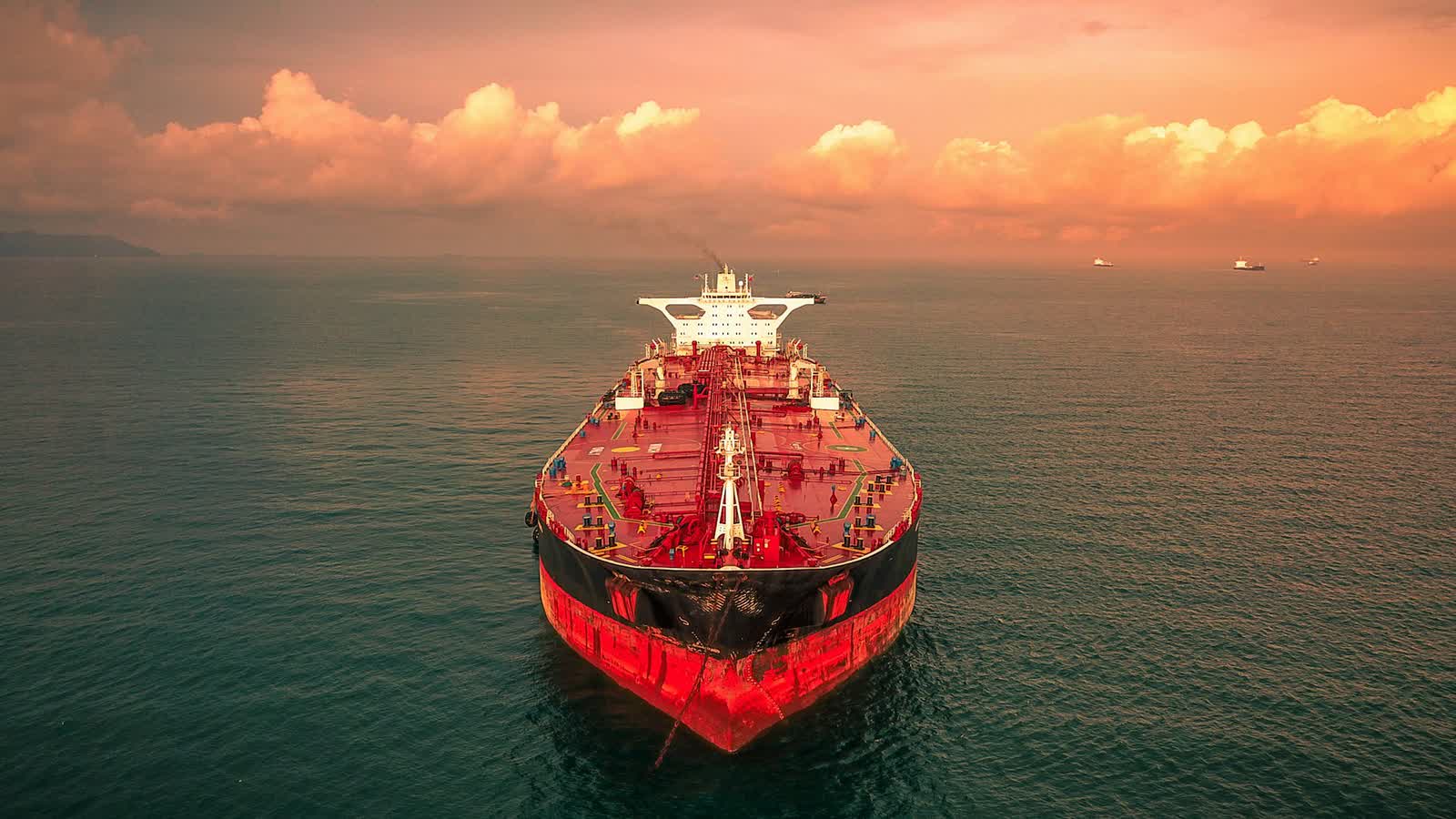
Every litre of wash water from a changeover ends up somewhere, and that somewhere is the slop tank. It is the busiest tank on the ship during cleaning and often the least planned. Slop tanks can limit how much washing is possible, contaminate clean lines, and create disposal problems that hold a ship at the load port.
Why slop tanks matter
Capacity. Washing heavy residue produces a lot of slops. If the slop tanks fill, washing stops until they are decanted or discharged.
Contamination. Slop tanks are connected to the cargo system. Residue in slop lines or slop tank connections can reach clean cargo lines if isolations are poor.
Disposal. Slops must be retained, decanted and discharged in line with MARPOL Annex I, or delivered to reception facilities. Arranging that at the last minute causes delays.
Their own cleanliness. If a slop tank will carry clean cargo or be used for clean washings later, it needs cleaning too.
Managing slops in a changeover
- Start with empty slop tanks. Discharge or land existing slops before the changeover if possible.
- Estimate the volume the planned washing will produce and compare it with slop capacity.
- Decant regularly. Let water settle, decant clean water from below where permitted, and keep oil in the tank.
- Reuse settled wash water for early, rough washes where appropriate, to reduce total volume.
- Isolate slop lines from clean cargo lines once the changeover moves to its final stages.
- Plan disposal early: reception facility or barge, paperwork and timing, arranged through the agent.
- Record everything in the Oil Record Book.
Cleaning the slop tank itself
If the slop tank is part of the clean cargo system after the changeover, or if its lines are shared, it needs washing, draining and checking like any other tank. Sediment in slop tanks is common and may need demucking.
Reducing slops
Good washing practice reduces slops: washing hot so fewer cycles are needed, targeted manual work instead of repeated machine programmes, and stripping effectively between washes. We cover this in more detail in a later article on slop volumes.
See the DPP to CPP changeover guide and lines, pumps and heating coils.
How Cleanship helps
We plan slop handling into every changeover, including decanting, consolidation and landing to licensed reception facilities with documentation, from our bases at Fujairah and in India. See our DPP and CPP tank cleaning service or contact us.
Sources & further reading
Frequently asked questions
Why do slop tanks matter in a changeover?
They limit how much washing can be done, can contaminate clean lines through shared connections, need disposal arranged under MARPOL Annex I, and may need cleaning themselves.
How can slop volumes be reduced?
By washing hot to cut cycles, decanting regularly, reusing settled wash water for early washes where appropriate, targeting manual work, and stripping effectively between washes.
Where are slops discharged after tank cleaning?
They are retained and decanted on board and discharged in line with MARPOL Annex I, or delivered to port reception facilities or barges, with entries in the Oil Record Book.
Does the slop tank need cleaning in a changeover?
If it will carry clean cargo or shares lines with the clean cargo system afterwards, yes, like any other tank.
- slop tank cleaning
- slop tank changeover
- tanker slops management
- decanting slops tanker
- slop tank contamination
Related articles
- Tank cleaningCrude oil to clean products: direct changeover or intermediate cargo?When a tanker can go straight from crude oil to a clean product, when an intermediate cargo is the better route, and how to decide using cargo history, coating, time and the next grade.
- Tank cleaningReading HM 50: turning the previous/next cargo matrix into a cleaning planHow to use the Energy Institute's HM 50 guidance for tanker tank preparation as the starting point for a practical cleaning plan, and where the ship and charterer still need to add detail.
- Tank cleaningDemucking before a changeover: when tank bottoms need manual removalWhen sediment, sludge and wax in tank bottoms mean washing alone will not work, how demucking is done safely, and how to fit it into a changeover plan.
- Tank cleaningCleaning on the ballast passage: how riding crews handle changeovers at seaHow a riding squad joins a product tanker and carries out a DPP to CPP changeover during the ballast passage, what the ship needs to provide, and how weather, slops and safety are managed.