
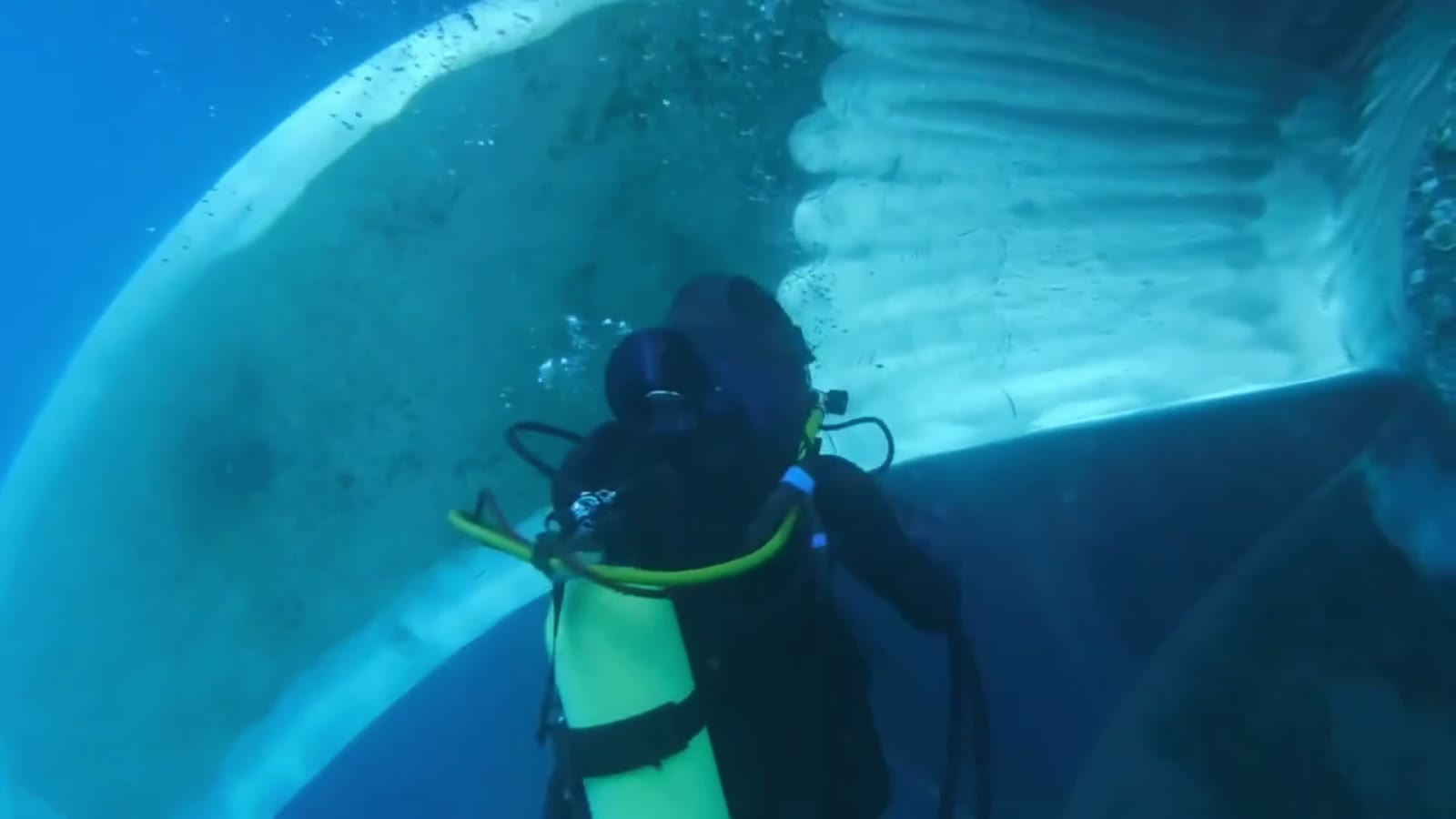
Propeller Polishing at Tarrafal Port
Mirror finish, measurably lower fuel burn
Get a quote
Tell us the vessel, the port and the window. Scoped reply, usually the same working day.
Cleanship Marine carries out underwater propeller super polishing at Tarrafal Port, São Nicolau. Divers work the blades through a multi-stage sequence to a Class A mirror finish, removing fouling, calcareous deposits and accumulated surface roughness while the vessel lies alongside or at anchor.
The propeller is the highest-leverage surface on any vessel calling at Tarrafal: it runs at high relative velocity, so roughness there costs disproportionately more than the same roughness spread over the hull. For the tuna fishing vessels, inter-island ferries and general cargo coasters working this port, polishing is the shortest route to a measurable fuel saving.
In a fishing port the propeller has a second problem besides growth: lines and netting. A fishing vessel that picks up rope or net around the shaft loses power and risks damaging the seal, and clearing it is a diver's job. At Tarrafal we combine the two — remove anything wrapped around the propeller, shaft and rope guard, check the seal area, then polish the blades — so the vessel goes back out with full power.
What it gets you
- Blade roughness removed where it costs the most, at the highest-velocity surface on the vessel
- Propeller efficiency restored between dockings without off-hire
- Cavitation erosion and edge damage documented before it becomes a repair item
- A finish record that supports hull and propeller performance monitoring
Working conditions at Tarrafal
Tarrafal is on the south-west coast of São Nicolau, in the lee of the island's mountains, and the sea bed drops away quickly offshore, so there is deep, clear ocean water close to the port. The trade wind is broken by the island but can come down off the high ground in gusts. The port is small and its quay is shared by ferries, coasters and the fishing fleet, so in-water work is fitted around them or done at anchor off the town.
- Where we work
- Port quay · Fishing boat moorings · Anchorage off Tarrafal
- Vessels we see here
- Tuna fishing vessels · Inter-island ferries · General cargo coasters
What we do at Tarrafal
- Blade condition assessment covering both faces, the leading and trailing edges and the tips
- Multi-stage polishing sequence worked down to a Class A mirror finish
- Boss, hub and fairing cone cleaned, with rope guard and seal area inspected
- Edge damage, cavitation erosion and any deformation photographed and reported rather than polished over
- Diving permission cleared with ENAPOR – Portos de Cabo Verde, and the shaft confirmed immobilised with the master before the dive
- Before-and-after video and a written finish record for the performance file
Planning the window at Tarrafal
The trade-wind and swell season governs the calendar at Tarrafal Port, with the strongest trade winds from roughly December to May, and a short rainy season from August to October. The islands sit in open ocean, so a port's exposure depends on which side of its island it faces: the lee-side harbours stay calm while the trade wind blows, but long-period swell from North Atlantic storms reaches the north and west coasts in winter, and the late-summer tropical waves that pass through here can turn into storms. Water clarity here is good by regional standards, so the operation can be properly documented on video as it happens — an advantage that turns a cleaning job into usable condition evidence at no extra mobilisation cost.
Work is taken at the port quay, fishing boat moorings and anchorage off Tarrafal, and which of those a vessel ends up at changes the dive plan more than the season does. Teams mobilise via São Nicolau (SNE) or São Vicente (VXE), so give us the ETA as early as you have it — the travel is the flexible part, the approvals and the working window are not.
What we typically find at Tarrafal
The working fleet here spends most of its life at low speed in warm water, so growth is heavy, mixed and reaches the hard calcareous stage sooner than on deep-sea tonnage. Left too long it starts damaging the coating rather than just slowing the vessel.
Clearer water means the fouling state can be assessed properly before any tooling is selected, and the assessment can be shown to you rather than described.
Standard scope of work
Included as standard on every propeller polishing attendance, wherever the vessel is. Anything outside it is quoted separately and flagged before mobilisation, never added afterwards.
- Deposit removal
- Calcareous growth, shell and hard deposits removed from both blade faces without gouging or scoring the blade surface.
- Progressive polishing
- Successive abrasive grades work the blade from rough to fine, finishing at a Class A mirror surface across the full blade area.
- Edge finishing
- Leading and trailing edges dressed to restore profile and remove the roughness that seeds cavitation.
- Boss and hub
- Boss, hub and rope guard cleaned, with stern tube seal condition inspected and reported.
How we deliver it at Tarrafal
- 1
Scope and vessel details
Tell us the vessel, her particulars, the coating specification and the window at Tarrafal. We come back with a defined scope, a crew size and a duration we will stand behind. Where the conditions here will not support what has been asked for, we say so at this stage rather than after mobilisation.
- 2
Permits and approvals
ENAPOR – Portos de Cabo Verde approves the work alongside the local harbour master, and at a state port that conversation is quicker but less formal — it is worth having in writing. Diving permission, terminal approval and any environmental clearance for in-water work are handled by us, not left with the agent to chase.
- 3
Mobilisation to Tarrafal
Divers, compressors, brush carts and cameras mobilise via São Nicolau (SNE) or São Vicente (VXE). Where a vessel is also calling at Mindelo, one mobilisation is normally sized to cover both.
- 4
Safety setup and the dive
The vessel is secured for diving — main engine, shaft and thrusters immobilised, sea suctions confirmed shut, permit agreed with the master. Teams work under surface supervision with continuous diver communications and video throughout.
- 5
Report and handover
A completion report covering propeller polishing is issued with before-and-after imagery, coating and anode condition and anything found that you should know about. The findings are discussed with the vessel rather than emailed and forgotten.
Tarrafal Port at a glance
- UN/LOCODE
- CVTAR
- Port type
- State Port
- Island
- São Nicolau
- Country
- Cape Verde
- Water body
- Atlantic Ocean
- Port authority
- ENAPOR – Portos de Cabo Verde
- Main cargoes
- Fishing catch and canned tuna, General cargo, Food and supplies
- Crew mobilisation
- São Nicolau (SNE) / São Vicente (VXE)
- Services here
- Hull Cleaning
Frequently asked — Propeller Polishing at Tarrafal
Do you provide propeller polishing at Tarrafal Port?
Yes. Cleanship Marine works Tarrafal Port (CVTAR) in São Nicolau, Cape Verde, covering the port quay, fishing boat moorings and anchorage off Tarrafal. Teams mobilise via São Nicolau (SNE) or São Vicente (VXE) with the full spread.
Can you clear rope or net from a propeller at Tarrafal?
Yes, and we check the shaft seal and rope guard while we are there. For a fishing vessel it makes sense to do this together with a propeller polish, so she goes back to sea with a clear shaft and a clean propeller.
Can propeller polishing be done while the vessel works cargo at Tarrafal?
Yes. Conditions here are good enough that the dive runs alongside cargo operations without either holding the other up, and the work is documented on video as it goes. The vessel stays on hire throughout, and there is no diversion and no dry dock. We scope against the conditions at Tarrafal and tell you honestly whether the window you have is enough.
Do you need a diving permit from ENAPOR – Portos de Cabo Verde?
Yes, and we obtain it. Diving permission from ENAPOR – Portos de Cabo Verde, terminal approval where the berth requires it, and any environmental clearance for in-water work are arranged as part of the job rather than left with the agent. The master's permit to work and the immobilisation of machinery are agreed on board before anyone enters the water.
What is underwater visibility like at Tarrafal?
Visibility at Tarrafal Port is very good, with deep, clear ocean water close to the port and no river runoff, and the trade-wind and swell season sets the outer limits of the calendar. How the tide and sea state shape the dive plan is set out in full in the working-conditions section on this page.
Which vessels do you carry out propeller polishing on at Tarrafal?
Tuna fishing vessels, Inter-island ferries and General cargo coasters — the traffic at Tarrafal Port runs to fishing catch and canned tuna, general cargo, food and supplies, so those are the profiles we see most. The scope is sized to the vessel, not to a standard package.
How quickly can a team mobilise to Tarrafal?
Divers and equipment mobilise via São Nicolau (SNE) or São Vicente (VXE). Give us the ETA and the window and we will confirm what is achievable rather than promise a date we cannot hold. Where the vessel also calls at Mindelo or Palmeira, one mobilisation is often sized to cover both.
What does propeller polishing at Tarrafal cost?
It depends on the vessel's dimensions and wetted area, the fouling state found, the coating specification and the working window available at Tarrafal. We would rather scope it properly and give you a specific figure than quote a headline rate that changes once the work starts. Send the details and the window at Tarrafal and you get a scoped price, usually the same working day.
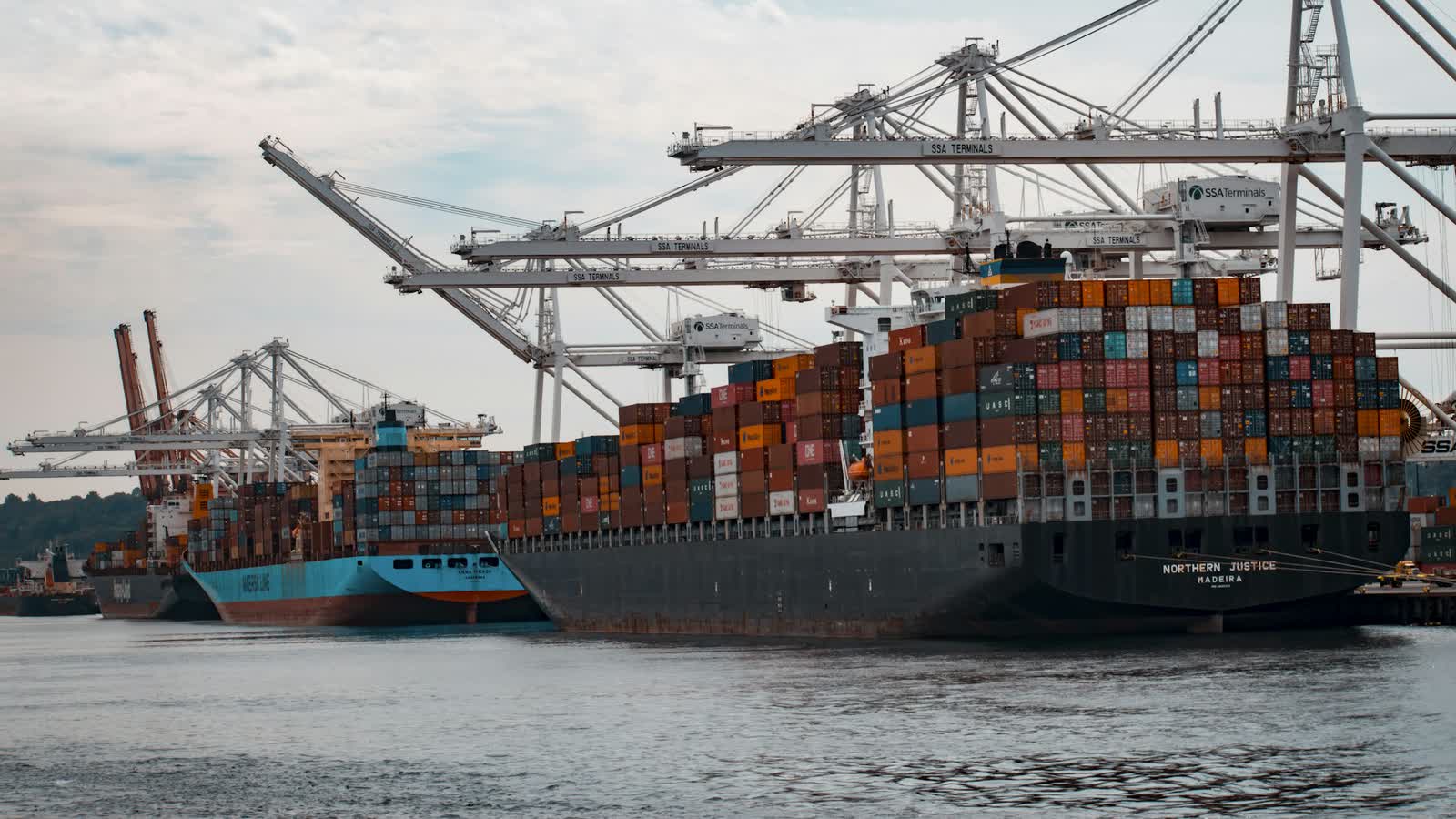
Propeller Polishing at Tarrafal Port.
Tell us the vessel, her ETA at Tarrafal and the window. You get a scope, a crew size and an honest duration — usually the same working day.