
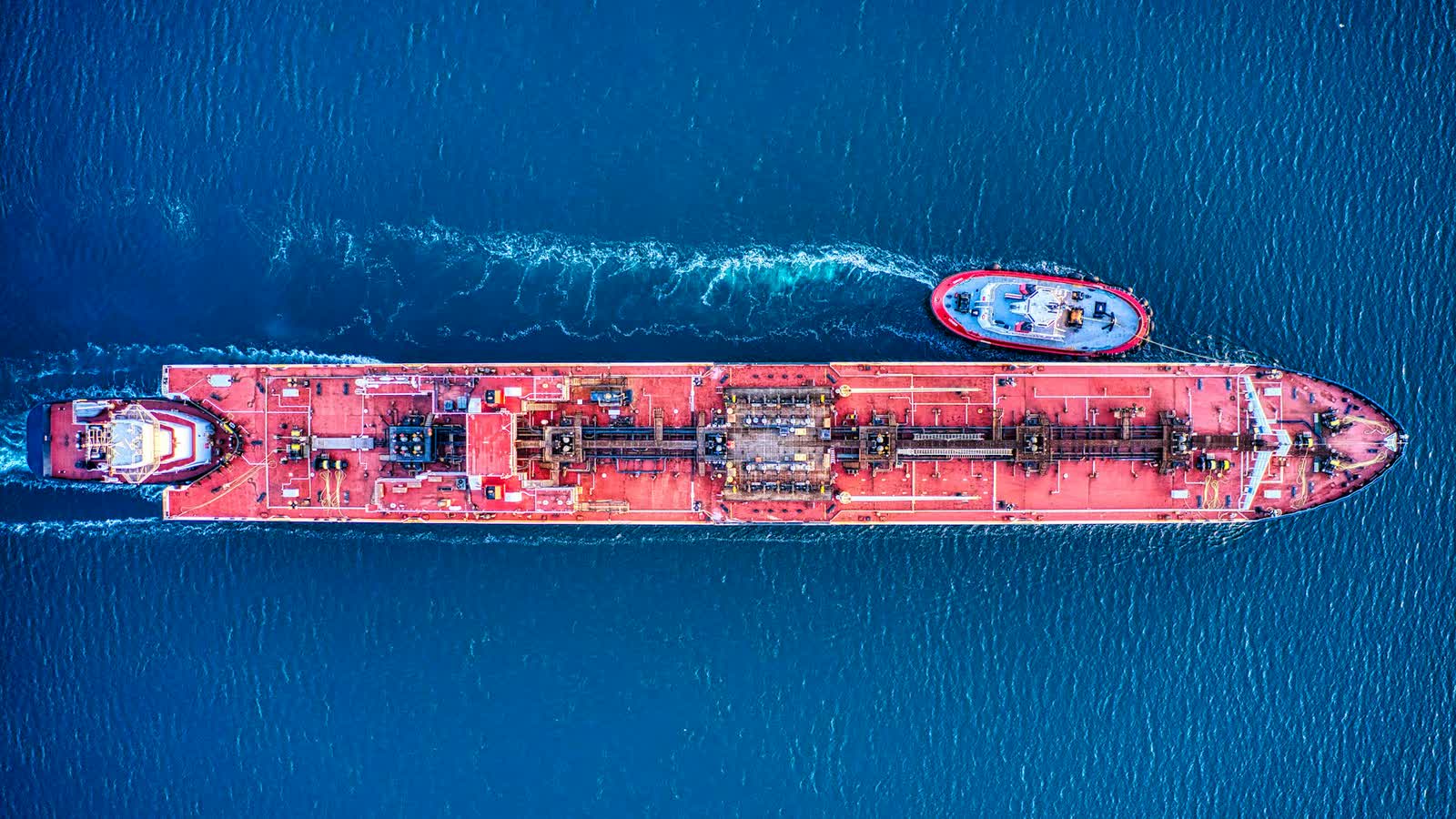
Shore Tank Cleaning at Trincomalee Port
Terminal tanks returned to service, safely certified
Get a quote
Tell us the vessel, the port and the window. Scoped reply, usually the same working day.
Cleanship Marine cleans shore storage tanks at the terminals serving Trincomalee Port, Eastern Province — product changeovers, inspection preparation and statutory maintenance, delivered under a full enclosed-space and hot-work regime.
A shore tank out of service is storage capacity earning nothing, so the schedule matters as much as the standard. Trincomalee is Sri Lanka's deep-water eastern harbour, working cement, grain and a large oil tank farm, with far more natural capacity than its current traffic uses. Its shelter and clarity make it the best place in the region to do work that needs time and visibility — and its counter-seasonal monsoon means it is workable when Colombo is not. Work is planned with the terminal's own permit system and safety case, and the certification chain — gas-free, entry, hot work where needed — is treated as the critical path it actually is.
What it gets you
- Tank returned to service on a schedule the terminal can plan around
- Inspection or recoating preparation done to a standard the inspector accepts
- Waste and sludge disposal fully documented
- Work carried out under the terminal's permit system, not alongside it
Working conditions at Trincomalee
Most of the work at this port happens at the anchorage, simply because that is where vessels spend their time. The two monsoons sets the outer limits of the calendar, the south-west from May to September and the north-east from December to February, and it affects the anchorage far more than the berth. Humidity is high year-round rather than seasonal, so enclosed-space work here is planned with ventilation and rest cycles in every month, not just the summer. Approval runs through Sri Lanka Ports Authority and the terminal operator, and licensed slop reception is booked before the tanks are opened — at most ports on this list that booking, not the cleaning, is what sets the date.
- Where we work
- Inner harbour berths · Oil terminal jetty · Deep anchorage
- Vessels we see here
- Handysize bulk carriers · Product tankers · General cargo ships
What we do at Trincomalee
- Method statement and risk assessment agreed with the terminal before mobilisation
- Draining, purging, gas-freeing and atmosphere monitoring throughout
- Sludge and residue removal, floor and shell cleaning, roof and internal structure
- Preparation for internal inspection, thickness measurement or recoating
- Waste transferred to licensed disposal under the rules in force at Trincomalee
- Certification and completion documentation for the terminal's records
Planning the window at Trincomalee
The two monsoons governs the calendar at Trincomalee Port, the south-west from May to September and the north-east from December to February. For tank work it is the anchorage that suffers — where the terminal will not permit work alongside, weather that closes the anchorage closes the job. The waiting time here is what makes the job practical. Tanks can be worked at anchorage under a proper entry regime rather than squeezed against a berth clock, which is the difference between a specification clean and a visual one.
Teams mobilise via Trincomalee or Colombo (CMB), so give us the ETA as early as you have it — the travel is the flexible part, the approvals and the working window are not.
What we typically find at Trincomalee
Product parcels and bunkers dominate the liquid traffic here, so most of the work is grade changes and fuel and slop tank cleaning rather than full chemical specification work.
The waiting time cuts both ways. It gives room to do the work properly, but residue left standing in a warm tank sets and stratifies, so a tank opened after a long wait needs more hand work than the same tank opened on the day of discharge.
Standard scope of work
Included as standard on every shore tank cleaning attendance, wherever the vessel is. Anything outside it is quoted separately and flagged before mobilisation, never added afterwards.
- Product and residue removal
- Remaining product is stripped and transferred, and pumpable sludge is recovered to nominated tankage or road tankers.
- Sludge treatment and oil recovery
- Where volumes justify it, sludge is treated to recover saleable hydrocarbon and reduce the mass sent to disposal.
- Washing and degreasing
- Shell, floor, roof structure and internal fittings are washed and degreased to the standard required by the next activity.
- Gas-freeing and monitoring
- Forced ventilation to safe-for-entry or gas-free-for-hot-work condition, with continuous atmospheric monitoring throughout occupancy.
- Inspection preparation
- Floor plates, annular rings, weld seams and roof supports are cleaned to a condition that allows meaningful thickness measurement and visual inspection.
How we deliver it at Trincomalee
- 1
Scope and vessel details
Tell us the vessel, her particulars, the prior and next grade and the window at Trincomalee. We come back with a defined scope, a crew size and a duration we will stand behind. Where the conditions here will not support what has been asked for, we say so at this stage rather than after mobilisation.
- 2
Approvals, slops and certification
Sri Lanka Ports Authority approves the work alongside the local harbour master, and at a state port that conversation is quicker but less formal — it is worth having in writing. Licensed slop and sludge reception is booked and marine chemist attendance arranged where the grade change requires it. At Trincomalee the disposal route is the item that most often sets the schedule, so it is fixed first.
- 3
Mobilisation to Trincomalee
Crews, pumps, machines and chemicals mobilise via Trincomalee or Colombo (CMB). Where a vessel is also calling at Colombo, one mobilisation is normally sized to cover both.
- 4
Gas-freeing, entry and cleaning
Atmosphere testing, gas-freeing and enclosed-space entry certification come before any entry, and are repeated after every break. Standby cover and atmosphere monitoring run continuously while anyone is inside, and progress is reported tank by tank.
- 5
Report and handover
A completion report covering shore tank cleaning is issued with before-and-after imagery, tank by tank and anything found that you should know about. The findings are discussed with the vessel rather than emailed and forgotten.
Trincomalee Port at a glance
- UN/LOCODE
- LKTRR
- Port type
- State Port
- State
- Eastern Province
- Country
- Sri Lanka
- Water body
- Bay of Bengal
- Port authority
- Sri Lanka Ports Authority
- Main cargoes
- Cement and clinker, Grain and agricultural bulk, POL and fuel storage, General cargo
- Crew mobilisation
- Trincomalee / Colombo (CMB)
- Services here
- Hull Cleaning, Hold Cleaning and Tank Cleaning
Frequently asked — Shore Tank Cleaning at Trincomalee
Do you provide shore tank cleaning at Trincomalee Port?
Yes. Cleanship Marine works Trincomalee Port (LKTRR) in Eastern Province, Sri Lanka, covering the inner harbour berths, oil terminal jetty and deep anchorage. Teams mobilise via Trincomalee or Colombo (CMB) with the full spread.
Can shore tank cleaning be done while the vessel works cargo at Trincomalee?
Usually not at the berth — but that matters less here, because vessels wait. Tank work is taken at the anchorage under a full entry regime, which gives a specification clean the time it actually needs. The vessel stays on hire throughout, and there is no diversion and no dry dock. We scope against the conditions at Trincomalee and tell you honestly whether the window you have is enough.
How is slop and sludge disposal handled at Trincomalee?
Through licensed reception, booked with Sri Lanka Ports Authority and the terminal operator before the tanks are opened. At Trincomalee the disposal route is usually what sets the schedule, so it is fixed first and documented tank by tank. Gas-freeing, atmosphere testing and enclosed-space entry certification are part of the same scope.
Where is the work done at Trincomalee — alongside, at anchorage or on passage?
Most of the work at this port happens at the anchorage, simply because that is where vessels spend their time. Between June and September the binding constraint is working temperature inside the space rather than access to it.
Which vessels do you carry out shore tank cleaning on at Trincomalee?
Handysize bulk carriers, Product tankers and General cargo ships — the traffic at Trincomalee Port runs to cement and clinker, grain and agricultural bulk, POL and fuel storage, so those are the profiles we see most. The scope is sized to the vessel, not to a standard package.
How quickly can a team mobilise to Trincomalee?
Crews and equipment mobilise via Trincomalee or Colombo (CMB). Give us the ETA and the window and we will confirm what is achievable rather than promise a date we cannot hold. Where the vessel also calls at Colombo, one mobilisation is often sized to cover both.
What does shore tank cleaning at Trincomalee cost?
It depends on the tank count and volume, the prior and next grade, how much sludge is in there and whether the work runs alongside, at anchorage or on passage from Trincomalee. We would rather scope it properly and give you a specific figure than quote a headline rate that changes once the work starts. Send the details and the window at Trincomalee and you get a scoped price, usually the same working day.
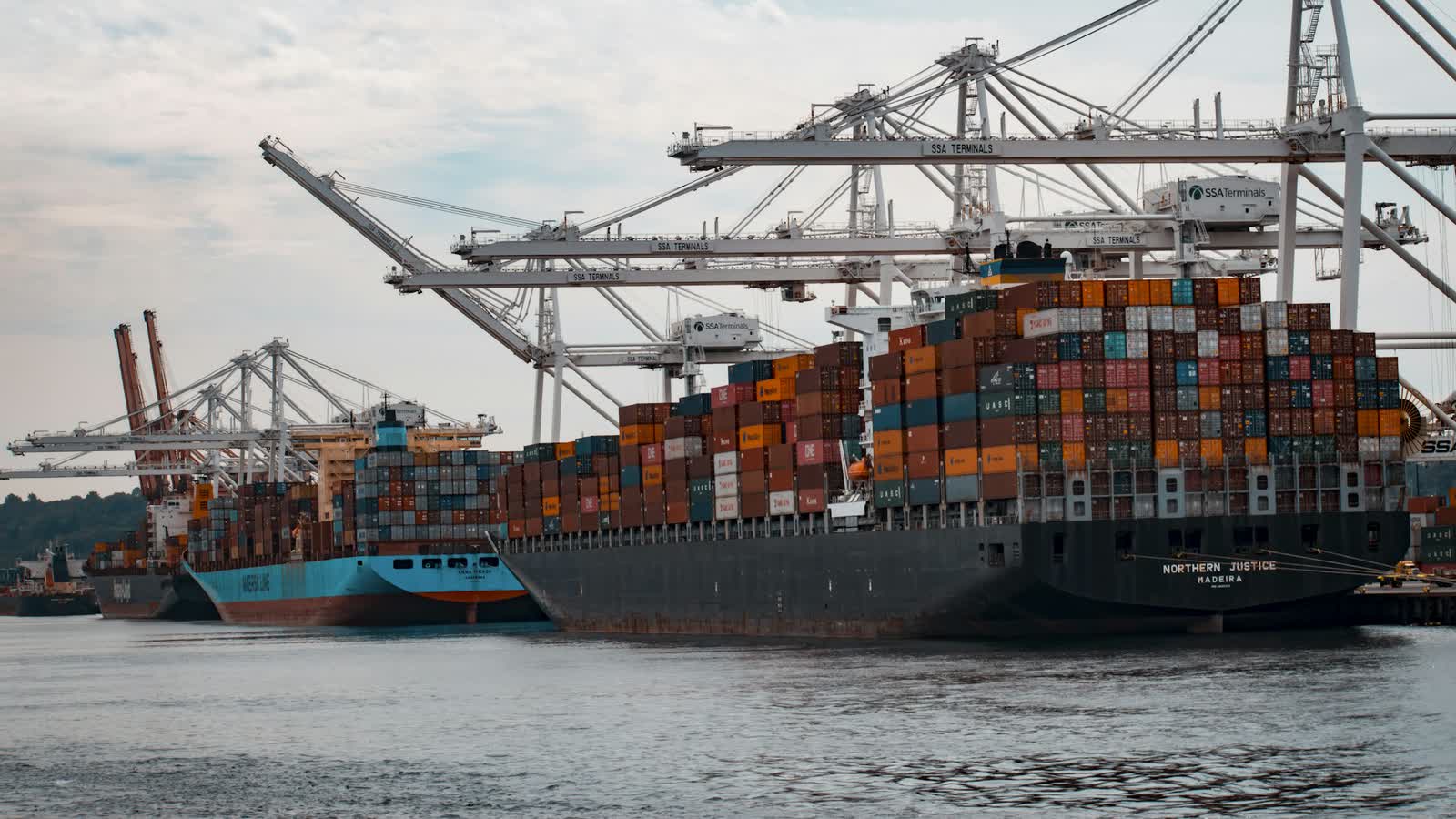
Shore Tank Cleaning at Trincomalee Port.
Tell us the vessel, her ETA at Trincomalee and the window. You get a scope, a crew size and an honest duration — usually the same working day.