
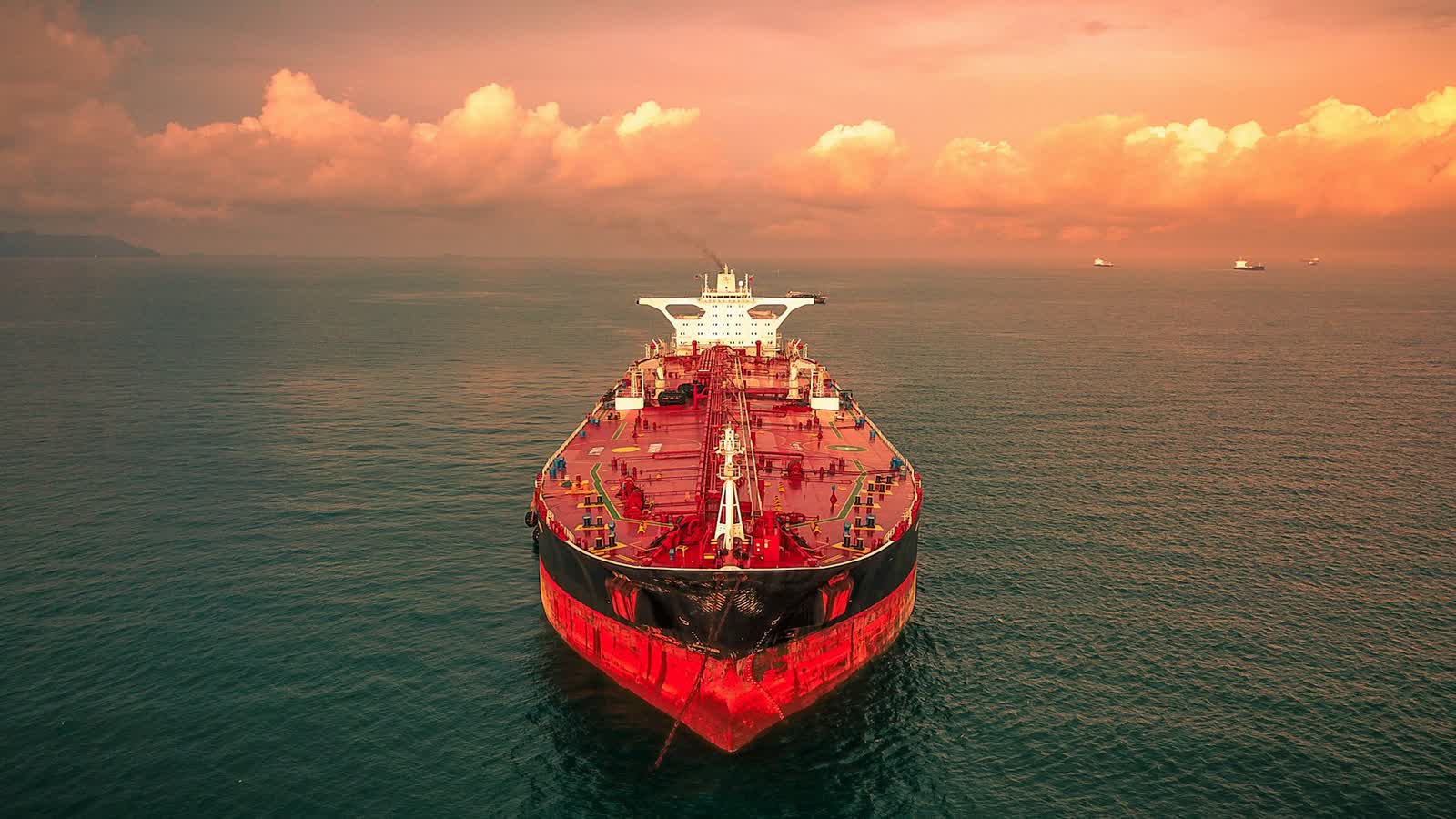
Tank Demucking at Pipavav Port
Sludge out, capacity back
Get a quote
Tell us the vessel, the port and the window. Scoped reply, usually the same working day.
Cleanship Marine removes accumulated sludge, scale and sediment from cargo and bunker tanks at Pipavav Port, Gujarat — the manual, enclosed-space work that washing alone will not do.
Sludge is a slow loss: it takes cargo capacity, it fouls heating coils and suctions, and it turns every subsequent tank clean into a longer job. Disposal is the part that actually governs the schedule here — the muck has to go somewhere licensed, and that is arranged before the tanks are opened.
What it gets you
- Cargo and bunker capacity recovered rather than carried as dead weight
- Heating coils and suctions cleared, restoring discharge performance
- Disposal documented through licensed reception
- Tank structure inspected while it is open and empty
Working conditions at Pipavav
Work here starts alongside, and where the berth window runs out it continues on the outward passage with a riding crew — the berth will not be held open for it. The south-west monsoon sets the outer limits of the calendar, roughly June to September, and it affects the anchorage far more than the berth. Approval runs through Gujarat Pipavav Port Limited and the terminal operator, and licensed slop reception is booked before the tanks are opened — at most ports on this list that booking, not the cleaning, is what sets the date.
- Where we work
- Container berths · Bulk berths · RoRo berth · Anchorage
- Vessels we see here
- Container ships · Pure car and truck carriers · Bulk carriers · Product tankers
What we do at Pipavav
- Atmosphere testing, gas-freeing and enclosed-space entry certification before entry
- Manual removal of sludge, scale and sediment from tank bottoms, frames and structure
- Heating coils, suction wells and bell mouths cleared and confirmed
- Material bagged, transferred and tracked from tank to reception
- Disposal through licensed reception facilities at Pipavav with the paperwork to prove it
- Tank condition photographed and reported, including anything found under the sludge
Planning the window at Pipavav
The south-west monsoon governs the calendar at Pipavav Port, roughly June to September. For tank work it is the anchorage that suffers — where the terminal will not permit work alongside, weather that closes the anchorage closes the job. Terminal windows here are tight and most operators will not permit tank work alongside, so the realistic plan is the anchorage or the outward passage. That is agreed before the vessel arrives, not argued at the berth.
Teams mobilise via Diu (DIU) or Rajkot (RAJ), so give us the ETA as early as you have it — the travel is the flexible part, the approvals and the working window are not.
What we typically find at Pipavav
Product parcels and bunkers dominate the liquid traffic here, so most of the work is grade changes and fuel and slop tank cleaning rather than full chemical specification work.
Tanks here are usually presented with a machine wash already done and the hand work outstanding — bottom structure, suction wells, heating coils and the areas the machines cannot reach. That remainder is what a wall wash actually fails on.
Standard scope of work
Included as standard on every tank demucking attendance, wherever the vessel is. Anything outside it is quoted separately and flagged before mobilisation, never added afterwards.
- Tank entry preparation
- Ventilation, gas testing, lighting, access rigging and rescue arrangements are established before any entry is authorised.
- Manual residue removal
- Sludge, wax and scale are removed by hand from tank bottoms, suction wells, bellmouths, heating coils and structural pockets.
- Vacuum and pump-out
- Pumpable residues are recovered by vacuum unit or portable pump directly to slop tanks, road tankers or barges.
- Scale and hard deposit removal
- Adhered rust scale and hardened deposits are removed by scraping, chipping or hydroblasting where the coating system permits.
- Waste handling and documentation
- Recovered material is quantified, transferred to licensed reception facilities and documented with manifests for the vessel's MARPOL records.
How we deliver it at Pipavav
- 1
Scope and vessel details
Tell us the vessel, her particulars, the prior and next grade and the window at Pipavav. We come back with a defined scope, a crew size and a duration we will stand behind. Where the conditions here will not support what has been asked for, we say so at this stage rather than after mobilisation.
- 2
Approvals, slops and certification
Access at Pipavav Port is the terminal operator's decision as much as Gujarat Pipavav Port Limited's, so both are in the approval chain from the start — a berth-side refusal discovered at the gangway costs the whole attendance. Licensed slop and sludge reception is booked and marine chemist attendance arranged where the grade change requires it. At Pipavav the disposal route is the item that most often sets the schedule, so it is fixed first.
- 3
Mobilisation to Pipavav
Crews, pumps, machines and chemicals mobilise via Diu (DIU) or Rajkot (RAJ). Where a vessel is also calling at Bhavnagar, one mobilisation is normally sized to cover both.
- 4
Gas-freeing, entry and cleaning
Atmosphere testing, gas-freeing and enclosed-space entry certification come before any entry, and are repeated after every break. Standby cover and atmosphere monitoring run continuously while anyone is inside, and progress is reported tank by tank.
- 5
Report and handover
A completion report covering tank demucking is issued with before-and-after imagery, tank by tank and anything found that you should know about. The findings are discussed with the vessel rather than emailed and forgotten.
Pipavav Port at a glance
- UN/LOCODE
- INPAV
- Port type
- Private Port
- State
- Gujarat
- Country
- India
- Water body
- Arabian Sea off Saurashtra
- Port authority
- Gujarat Pipavav Port Limited
- Main cargoes
- Containers, Dry bulk, RoRo and automobiles, Liquid bulk, Fertiliser
- Crew mobilisation
- Diu (DIU) / Rajkot (RAJ)
- Services here
- Hull Cleaning, Hold Cleaning and Tank Cleaning
Frequently asked — Tank Demucking at Pipavav
Do you provide tank demucking at Pipavav Port?
Yes. Cleanship Marine works Pipavav Port (INPAV) in Gujarat, India, covering the container berths, bulk berths, RoRo berth and anchorage. Teams mobilise via Diu (DIU) or Rajkot (RAJ) with the full spread.
Can tank demucking be done while the vessel works cargo at Pipavav?
Most terminals here will not permit tank work alongside, so the plan is the anchorage or the outward passage. We confirm the terminal's position before quoting rather than discovering it at the gangway. The vessel stays on hire throughout, and there is no diversion and no dry dock. We scope against the conditions at Pipavav and tell you honestly whether the window you have is enough.
How is slop and sludge disposal handled at Pipavav?
Through licensed reception, booked with Gujarat Pipavav Port Limited and the terminal operator before the tanks are opened. At Pipavav the disposal route is usually what sets the schedule, so it is fixed first and documented tank by tank. Gas-freeing, atmosphere testing and enclosed-space entry certification are part of the same scope.
Where is the work done at Pipavav — alongside, at anchorage or on passage?
Work here starts alongside, and where the berth window runs out it continues on the outward passage with a riding crew — the berth will not be held open for it.
Which vessels do you carry out tank demucking on at Pipavav?
Container ships, Pure car and truck carriers, Bulk carriers, Product tankers — the traffic at Pipavav Port runs to containers, dry bulk, RoRo and automobiles, so those are the profiles we see most. The scope is sized to the vessel, not to a standard package.
How quickly can a team mobilise to Pipavav?
Crews and equipment mobilise via Diu (DIU) or Rajkot (RAJ). Give us the ETA and the window and we will confirm what is achievable rather than promise a date we cannot hold. Where the vessel also calls at Mundra, one mobilisation is often sized to cover both.
What does tank demucking at Pipavav cost?
It depends on the tank count and volume, the prior and next grade, how much sludge is in there and whether the work runs alongside, at anchorage or on passage from Pipavav. We would rather scope it properly and give you a specific figure than quote a headline rate that changes once the work starts. Send the details and the window at Pipavav and you get a scoped price, usually the same working day.
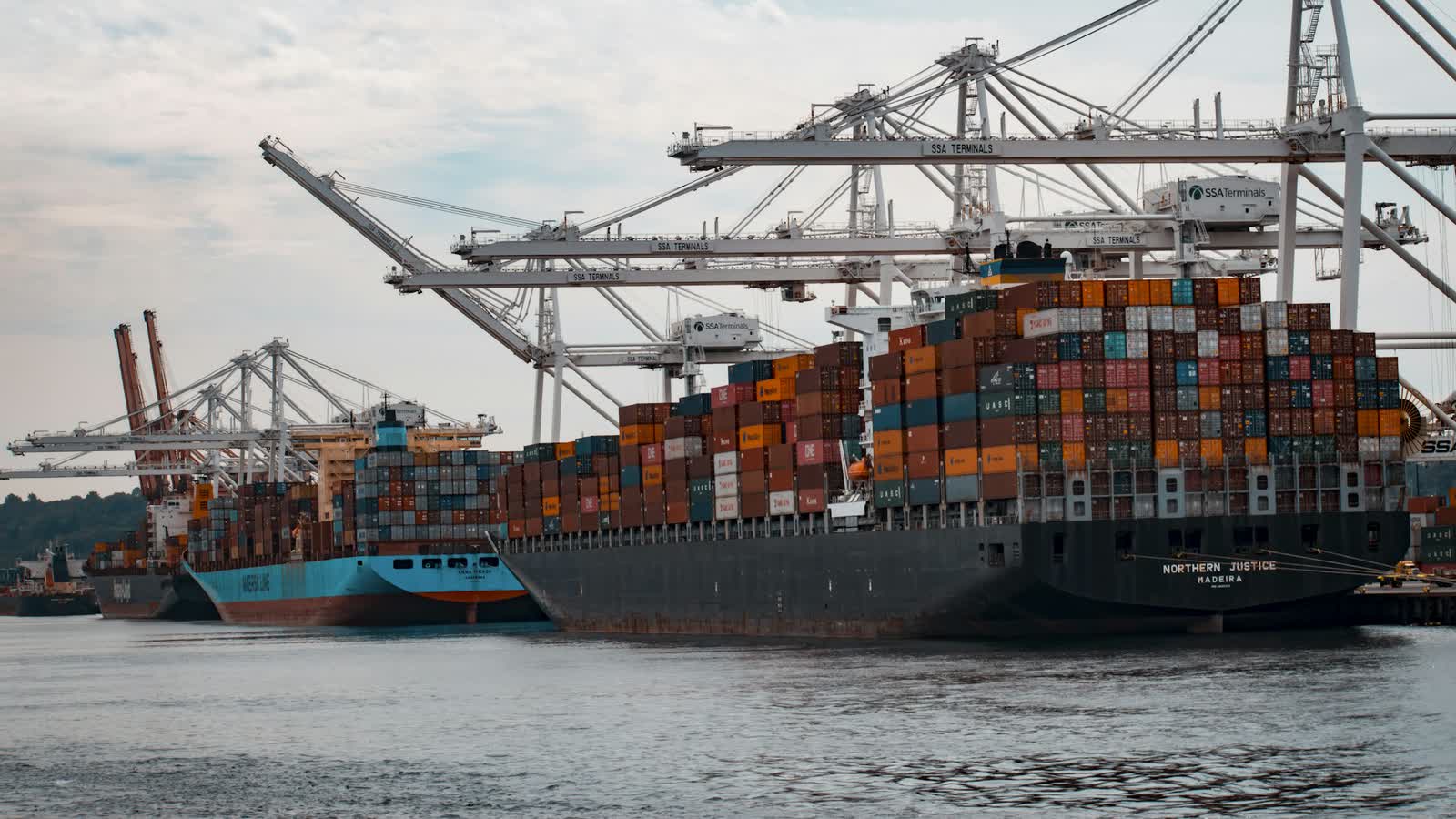
Tank Demucking at Pipavav Port.
Tell us the vessel, her ETA at Pipavav and the window. You get a scope, a crew size and an honest duration — usually the same working day.