
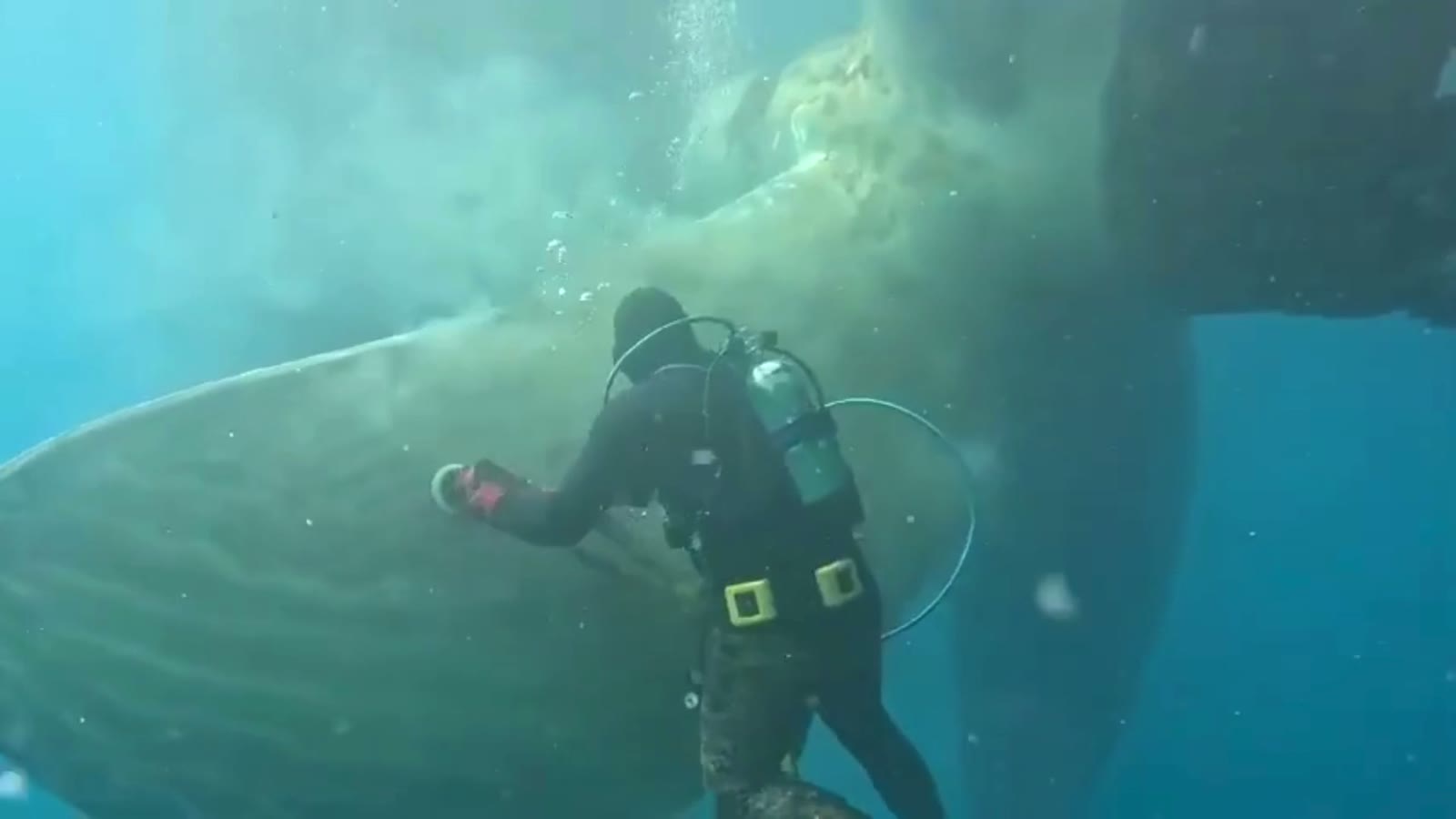
Thruster Cleaning & Polishing at Sekondi Fishing Harbour
Full thrust restored when you need it most
Get a quote
Tell us the vessel, the port and the window. Scoped reply, usually the same working day.
Cleanship Marine cleans and polishes bow and stern thrusters at Sekondi Fishing Harbour, Western Region. Divers clear the full tunnel bore, polish the blades and hub, and clear the gratings, restoring the manoeuvring thrust that quietly disappears while a vessel sits idle.
Thruster tunnels are the worst fouling trap on a hull — sheltered, still and almost never inspected. Growth builds on the tunnel walls, blades and gratings without anyone noticing until manoeuvring performance drops, and at Sekondi — one of Ghana's two main fishing harbours, beside the naval base — that tends to show at exactly the moment the thrust is needed.
Most boats at Sekondi have no thruster. For the larger vessels that do, a thruster clean is a short job alongside between trips. The naval vessels next door at the Sekondi Naval Base are a separate matter, handled only through the navy's own arrangements.
What it gets you
- Manoeuvring thrust restored ahead of a berthing or a pilotage that needs it
- Tunnel and grating flow cleared, not just the visible blade faces
- Seal, boss and anode condition documented while the divers are already down
- Reduced reliance on tug assistance where thrust had quietly degraded
Working conditions at Sekondi
Sekondi's fishing harbour lies a short distance east of Takoradi port, in the twin city of Sekondi-Takoradi, and it is sheltered behind its own breakwater. It shares a wall with the Sekondi Naval Base, so work near the base boundary follows the navy's security rules. The water is warm and moderately clear away from the landing areas.
- Where we work
- Fishing harbour basin · Fishing boat berths
- Vessels we see here
- Semi-industrial fishing vessels · Inshore fishing boats · Fishing canoes
What we do at Sekondi
- Full tunnel bore cleaned end to end, both openings, including the areas behind the gratings
- Blade and hub polished, with seal and boss condition inspected and reported
- Tunnel gratings cleared of growth and debris so flow is restored, not just the visible face
- Anodes inside the tunnel checked and wastage recorded
- Diving permission cleared with Ghana Ports and Harbours Authority, with the thruster confirmed isolated and tagged out before the dive
- Video record of tunnel and blade condition before and after
Planning the window at Sekondi
The combination of Atlantic swell and rain governs the calendar at Sekondi Fishing Harbour, with the heaviest rain from May to October and swell running year-round. The swell here is long-period Atlantic ground swell rather than wind-driven sea, so it reaches the anchorages on days that look calm from the bridge and it is the single biggest cause of a lost in-water window on this coast. Because the harbour is sheltered, work here normally runs alongside or at a protected anchorage and can proceed in parallel with cargo operations rather than competing with them for the berth window.
Work is taken at the fishing harbour basin and fishing boat berths, and which of those a vessel ends up at changes the dive plan more than the season does. Teams mobilise via Takoradi (TKD) or Accra (ACC), so give us the ETA as early as you have it — the travel is the flexible part, the approvals and the working window are not.
What we typically find at Sekondi
The working fleet here spends most of its life at low speed in warm water, so growth is heavy, mixed and reaches the hard calcareous stage sooner than on deep-sea tonnage. Left too long it starts damaging the coating rather than just slowing the vessel.
The fishing vessels at Sekondi lie alongside between trips in warm, sheltered water, and growth builds quickly on hulls, in sea chests and around the stern gear. Rope and netting around the propeller are a common find.
Standard scope of work
Included as standard on every thruster cleaning attendance, wherever the vessel is. Anything outside it is quoted separately and flagged before mobilisation, never added afterwards.
- Tunnel cleaning
- Fouling removed from the full length of the tunnel bore, including the areas behind gratings where growth is heaviest.
- Blade cleaning and polishing
- Propeller blades and hub cleaned and polished to restore surface finish and reduce cavitation-inducing roughness.
- Grating and guard clearance
- Gratings and rope guards cleared of growth, netting and debris that restrict flow or risk fouling the unit.
- Condition inspection
- Blade edges, seals and visible gearcase condition inspected and recorded, with any damage reported immediately.
How we deliver it at Sekondi
- 1
Scope and vessel details
Tell us the vessel, her particulars, the coating specification and the window at Sekondi. We come back with a defined scope, a crew size and a duration we will stand behind. Where the conditions here will not support what has been asked for, we say so at this stage rather than after mobilisation.
- 2
Permits and approvals
Ghana Ports and Harbours Authority approves the work alongside the local harbour master, and at a state port that conversation is quicker but less formal — it is worth having in writing. Diving permission, terminal approval and any environmental clearance for in-water work are handled by us, not left with the agent to chase.
- 3
Mobilisation to Sekondi
Divers, compressors, brush carts and cameras mobilise via Takoradi (TKD) or Accra (ACC). Where a vessel is also calling at Takoradi, one mobilisation is normally sized to cover both.
- 4
Safety setup and the dive
The vessel is secured for diving — main engine, shaft and thrusters immobilised, sea suctions confirmed shut, permit agreed with the master. Teams work under surface supervision with continuous diver communications and video throughout.
- 5
Report and handover
A completion report covering thruster cleaning is issued with before-and-after imagery, coating and anode condition and anything found that you should know about. The findings are discussed with the vessel rather than emailed and forgotten.
Sekondi Fishing Harbour at a glance
- UN/LOCODE
- GHSEK
- Port type
- State Port
- State
- Western Region
- Country
- Ghana
- Water body
- Gulf of Guinea
- Port authority
- Ghana Ports and Harbours Authority
- Main cargoes
- Fishing catch
- Crew mobilisation
- Takoradi (TKD) / Accra (ACC)
- Services here
- Hull Cleaning
Frequently asked — Thruster Cleaning at Sekondi
Do you provide thruster cleaning at Sekondi Fishing Harbour?
Yes. Cleanship Marine works Sekondi Fishing Harbour (GHSEK) in Western Region, Ghana, covering the fishing harbour basin and fishing boat berths. Teams mobilise via Takoradi (TKD) or Accra (ACC) with the full spread.
Do you clean thrusters at Sekondi?
For fishing vessels fitted with one, yes — alongside between trips. Most of the fleet has no thruster. Work for the naval base next door is only done through the navy's own arrangements.
Can thruster cleaning be done while the vessel works cargo at Sekondi?
Between fishing trips, alongside in the harbour, planned around landings and berth space. The vessel stays on hire throughout, and there is no diversion and no dry dock. We scope against the conditions at Sekondi and tell you honestly whether the window you have is enough.
Do you need a diving permit from Ghana Ports and Harbours Authority?
Yes, and we obtain it. Diving permission from Ghana Ports and Harbours Authority, terminal approval where the berth requires it, and any environmental clearance for in-water work are arranged as part of the job rather than left with the agent. The master's permit to work and the immobilisation of machinery are agreed on board before anyone enters the water.
What is underwater visibility like at Sekondi?
Visibility at Sekondi Fishing Harbour is moderate — better than the lagoon ports, reduced near the landing areas and after heavy rain, and the combination of Atlantic swell and rain sets the outer limits of the calendar. How the tide and sea state shape the dive plan is set out in full in the working-conditions section on this page.
Which vessels do you carry out thruster cleaning on at Sekondi?
Semi-industrial fishing vessels, Inshore fishing boats and Fishing canoes — the traffic at Sekondi Fishing Harbour runs to fishing catch, so those are the profiles we see most. The scope is sized to the vessel, not to a standard package.
How quickly can a team mobilise to Sekondi?
Divers and equipment mobilise via Takoradi (TKD) or Accra (ACC). Give us the ETA and the window and we will confirm what is achievable rather than promise a date we cannot hold. Where the vessel also calls at Takoradi or Elmina, one mobilisation is often sized to cover both.
What does thruster cleaning at Sekondi cost?
It depends on the vessel's dimensions and wetted area, the fouling state found, the coating specification and the working window available at Sekondi. We would rather scope it properly and give you a specific figure than quote a headline rate that changes once the work starts. Send the details and the window at Sekondi and you get a scoped price, usually the same working day.
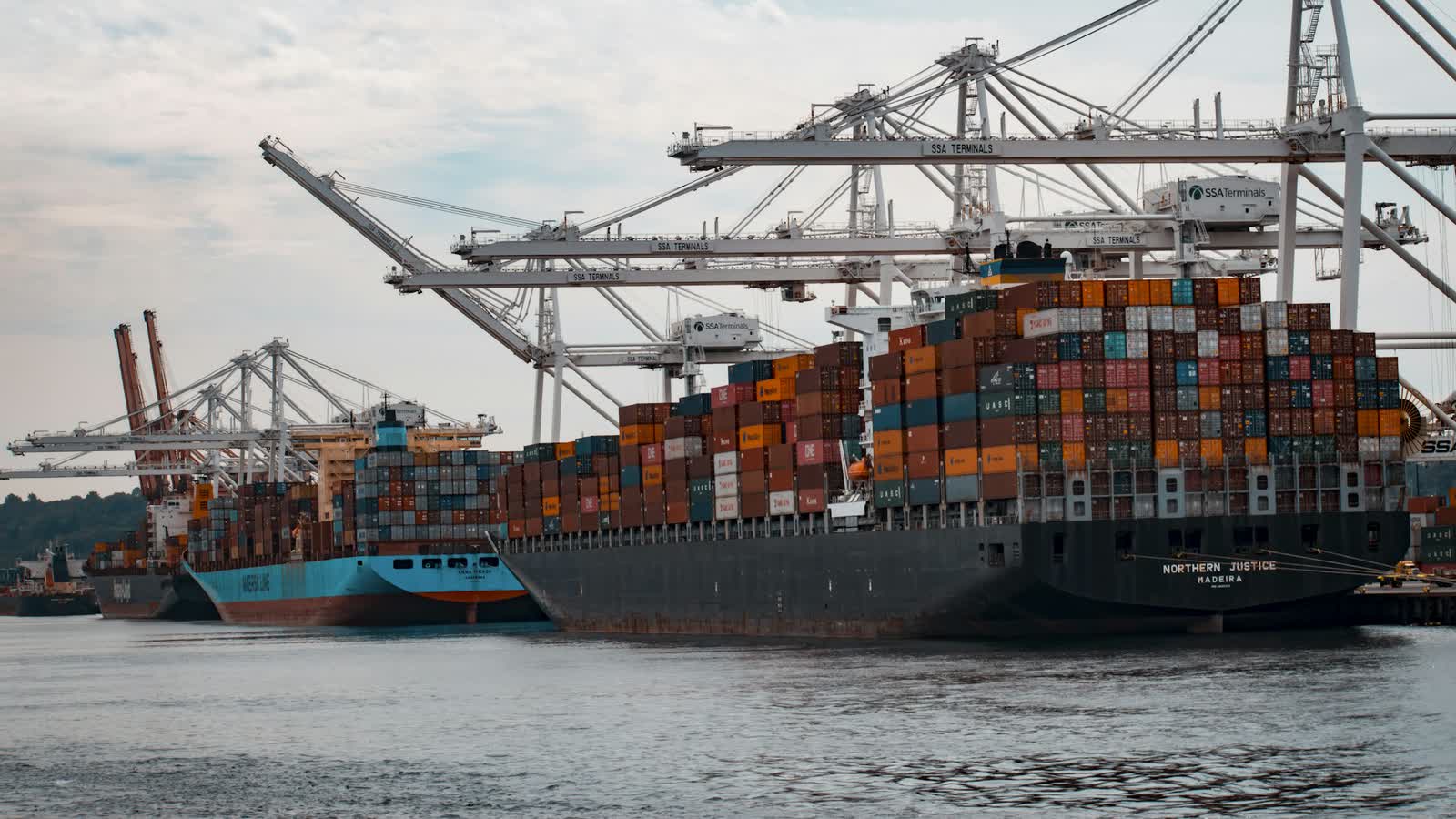
Thruster Cleaning & Polishing at Sekondi Fishing Harbour.
Tell us the vessel, her ETA at Sekondi and the window. You get a scope, a crew size and an honest duration — usually the same working day.