
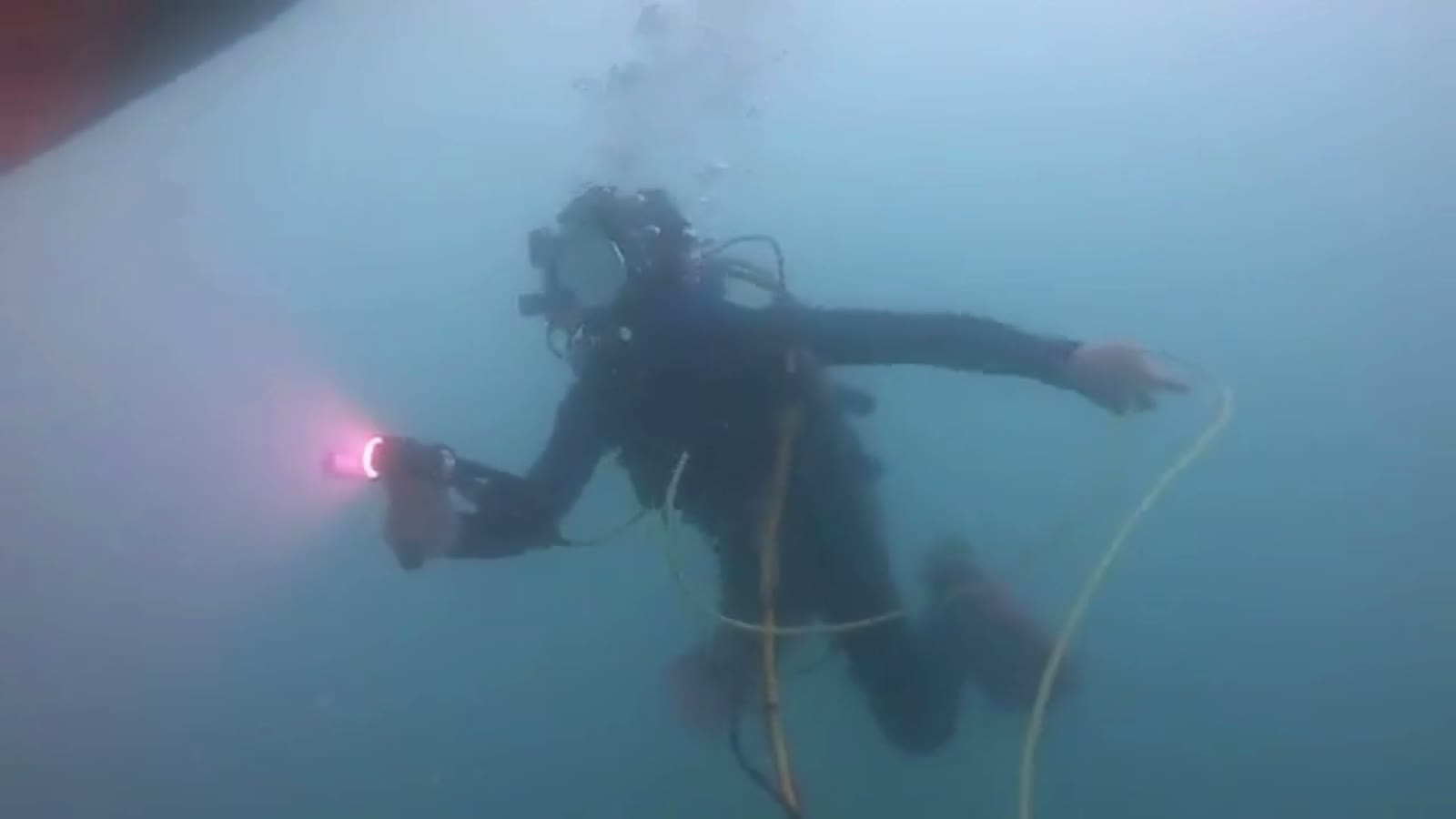
UWILD at Puttalam Port
Survey credit earned without leaving the water
Get a quote
Tell us the vessel, the port and the window. Scoped reply, usually the same working day.
Cleanship Marine runs full UWILD programmes — Underwater Inspection In Lieu of Drydocking — at Puttalam Port, North Western Province, from eligibility discussion through class liaison to the final report package.
UWILD lets a vessel satisfy a survey requirement that would otherwise mean a dry docking, at a fraction of the cost and with none of the off-hire. The requirements are exacting: the contractor must hold class approval, the vessel must be eligible, hull markings must let the surveyor locate features precisely, and the inspection has to be delivered live and documented. Low visibility and short slack windows make this a demanding survey port. Scope, lighting and the surveyor's acceptance criteria are agreed up front, and where the conditions will not support the scope we say so before the attendance is booked.
What it gets you
- Drydocking deferred and the survey credit earned in the water
- Class liaison handled end to end rather than left with the superintendent
- Eligibility confirmed before cost is committed, not discovered afterwards
- A documented inspection record that stands up to class review
Working conditions at Puttalam
Puttalam is a shallow lagoon port serving the cement industry, so depth restricts what can come alongside and larger tonnage is lightened at anchor. Lagoon water is warm, brackish and silty with low visibility, and cement and limestone dust in the water column reduces it further around active loading. The south-west monsoon is the limiting season.
- Where we work
- Cement jetty · Lagoon anchorage · Lightering position
- Vessels we see here
- Handysize bulk carriers · Barges and coastal craft
What we do at Puttalam
- Eligibility review against the vessel's age, type, class notation and survey history before anything is booked
- Programme agreed with the class society and the surveyor attending at Puttalam
- Hull, rudder, propeller, stern gear, sea chests and appendages inspected to the UWILD scope
- Live video, thickness measurement and clearance readings where the programme calls for them
- Diving permission cleared with Sri Lanka Ports Authority, with the vessel secured and machinery immobilised
- Complete report package submitted for the class file and the drydocking credit
Planning the window at Puttalam
The two monsoons governs the calendar at Puttalam Port, the south-west from May to September and the north-east from December to February. Which one matters depends on which coast the port is on — the south-west monsoon closes the western and southern anchorages while the east coast stays workable, and the north-east monsoon reverses it. Sri Lanka is the one market on the coverage list where there is almost always a workable coast. The tidal stream and the silt load govern the method here: the working window is slack water, not the working day, and the operation is planned by feel and surface supervision with video kept as the record rather than as the diver's means of navigation.
Work is taken at the cement jetty, lagoon anchorage and lightering position, and which of those a vessel ends up at changes the dive plan more than the season does. Teams mobilise via Colombo (CMB), so give us the ETA as early as you have it — the travel is the flexible part, the approvals and the working window are not.
What we typically find at Puttalam
Dry bulk handling here puts cargo dust into the water around the berths and anchorage. It settles on horizontal surfaces and packs into sea chest gratings and inlet openings, so inlet and grating clearance is routinely a larger part of the job at Puttalam than owners budget for.
Silt settles over the growth on the flat bottom and in the niches, which masks the true fouling state until the divers are actually on it. That is why the pre-clean survey here is a real step rather than a formality.
Standard scope of work
Included as standard on every UWILD attendance, wherever the vessel is. Anything outside it is quoted separately and flagged before mobilisation, never added afterwards.
- Eligibility and planning
- Vessel eligibility, survey scope and the society's specific requirements are established and agreed before mobilisation.
- Hull preparation
- Reference markings and cleaning of inspection areas so structure and features can be located and viewed unambiguously.
- Systematic inspection
- Shell plating, welds, rudder, propeller, sea chests, openings, anodes and appendages inspected to the agreed programme.
- Measurement and NDT
- Clearance measurement and underwater NDT carried out where the survey scope requires it.
- Documentation
- Video, stills, measurements and findings compiled into a report package suitable for submission to the classification society.
How we deliver it at Puttalam
- 1
Scope and vessel details
Tell us the vessel, her particulars, the coating specification and the window at Puttalam. We come back with a defined scope, a crew size and a duration we will stand behind. Where the conditions here will not support what has been asked for, we say so at this stage rather than after mobilisation.
- 2
Permits and approvals
Sri Lanka Ports Authority approves the work alongside the local harbour master, and at a state port that conversation is quicker but less formal — it is worth having in writing. Diving permission, terminal approval and any environmental clearance for in-water work are handled by us, not left with the agent to chase.
- 3
Mobilisation to Puttalam
Divers, compressors, brush carts and cameras mobilise via Colombo (CMB). Where a vessel is also calling at Colombo, one mobilisation is normally sized to cover both.
- 4
Safety setup and the dive
The vessel is secured for diving — main engine, shaft and thrusters immobilised, sea suctions confirmed shut, permit agreed with the master. Teams work under surface supervision with continuous diver communications and video throughout.
- 5
Report and handover
A completion report covering UWILD is issued with before-and-after imagery, coating and anode condition and anything found that you should know about. The findings are discussed with the vessel rather than emailed and forgotten.
Puttalam Port at a glance
- UN/LOCODE
- LKPTL
- Port type
- State Port
- State
- North Western Province
- Country
- Sri Lanka
- Water body
- Puttalam Lagoon
- Port authority
- Sri Lanka Ports Authority
- Main cargoes
- Cement and clinker, Limestone, Coal, Salt, General cargo
- Crew mobilisation
- Colombo (CMB)
- Services here
- Hull Cleaning and Hold Cleaning
Frequently asked — UWILD Inspection at Puttalam
Do you provide UWILD at Puttalam Port?
Yes. Cleanship Marine works Puttalam Port (LKPTL) in North Western Province, Sri Lanka, covering the cement jetty, lagoon anchorage and lightering position. Teams mobilise via Colombo (CMB) with the full spread.
Can UWILD be done while the vessel works cargo at Puttalam?
Usually yes, but the tide sets the schedule rather than the cargo plan. The practical question is how many slack windows fall inside the vessel's stay, not what the holds are doing. The vessel stays on hire throughout, and there is no diversion and no dry dock. We scope against the conditions at Puttalam and tell you honestly whether the window you have is enough.
Do you need a diving permit from Sri Lanka Ports Authority?
Yes, and we obtain it. Diving permission from Sri Lanka Ports Authority, terminal approval where the berth requires it, and any environmental clearance for in-water work are arranged as part of the job rather than left with the agent. The master's permit to work and the immobilisation of machinery are agreed on board before anyone enters the water.
What is underwater visibility like at Puttalam?
Visibility at Puttalam Port is habitually very low, and often close to nil at the turn, and the two monsoons sets the outer limits of the calendar. How the tide and sea state shape the dive plan is set out in full in the working-conditions section on this page.
Which vessels do you carry out UWILD on at Puttalam?
Handysize bulk carriers, Barges and coastal craft — the traffic at Puttalam Port runs to cement and clinker, limestone, coal, so those are the profiles we see most. The scope is sized to the vessel, not to a standard package.
How quickly can a team mobilise to Puttalam?
Divers and equipment mobilise via Colombo (CMB). Give us the ETA and the window and we will confirm what is achievable rather than promise a date we cannot hold. Where the vessel also calls at Colombo or Trincomalee, one mobilisation is often sized to cover both.
What does UWILD at Puttalam cost?
It depends on the vessel's dimensions and wetted area, the fouling state found, the coating specification and the working window available at Puttalam. We would rather scope it properly and give you a specific figure than quote a headline rate that changes once the work starts. Send the details and the window at Puttalam and you get a scoped price, usually the same working day.
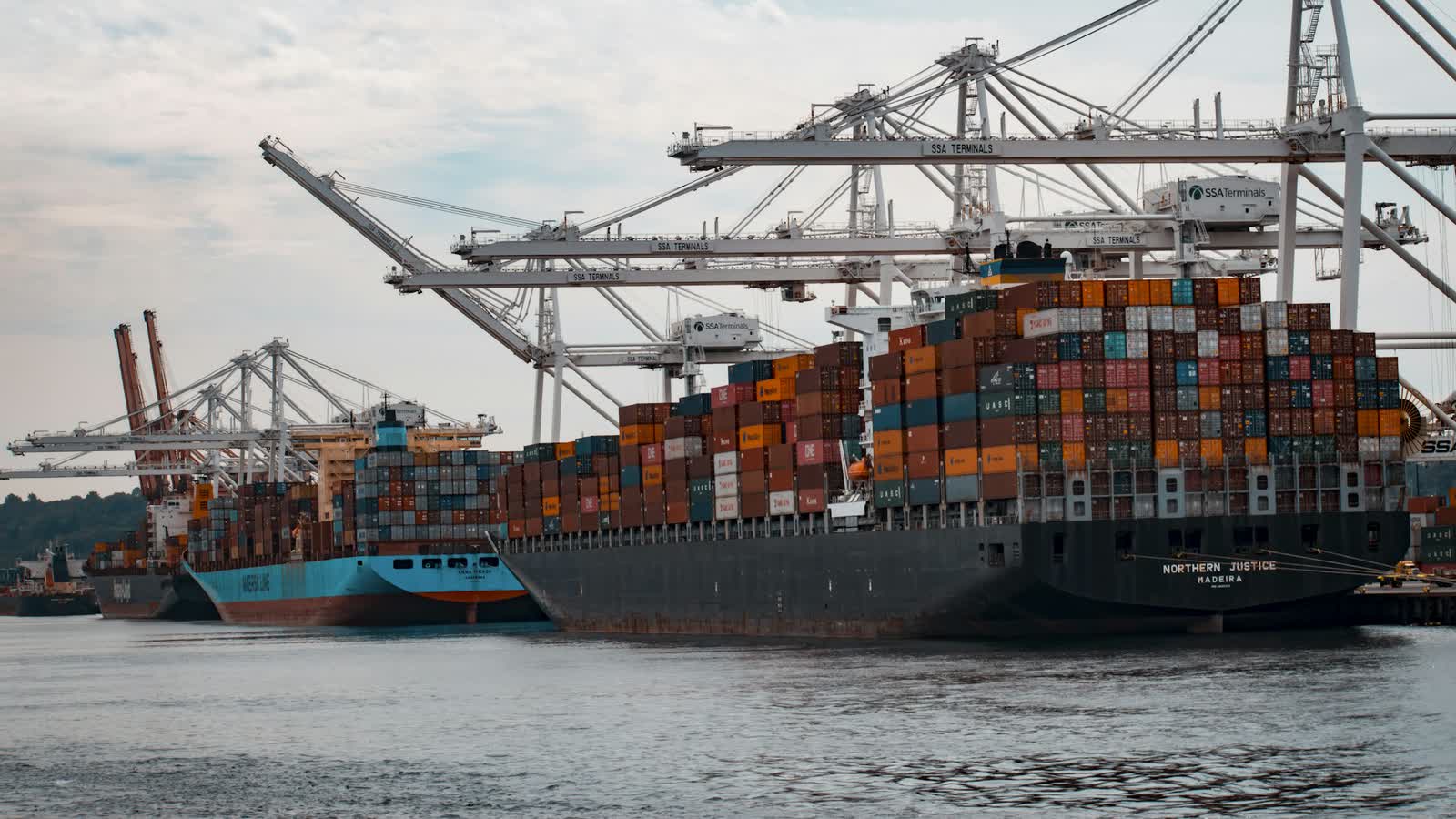
UWILD at Puttalam Port.
Tell us the vessel, her ETA at Puttalam and the window. You get a scope, a crew size and an honest duration — usually the same working day.