
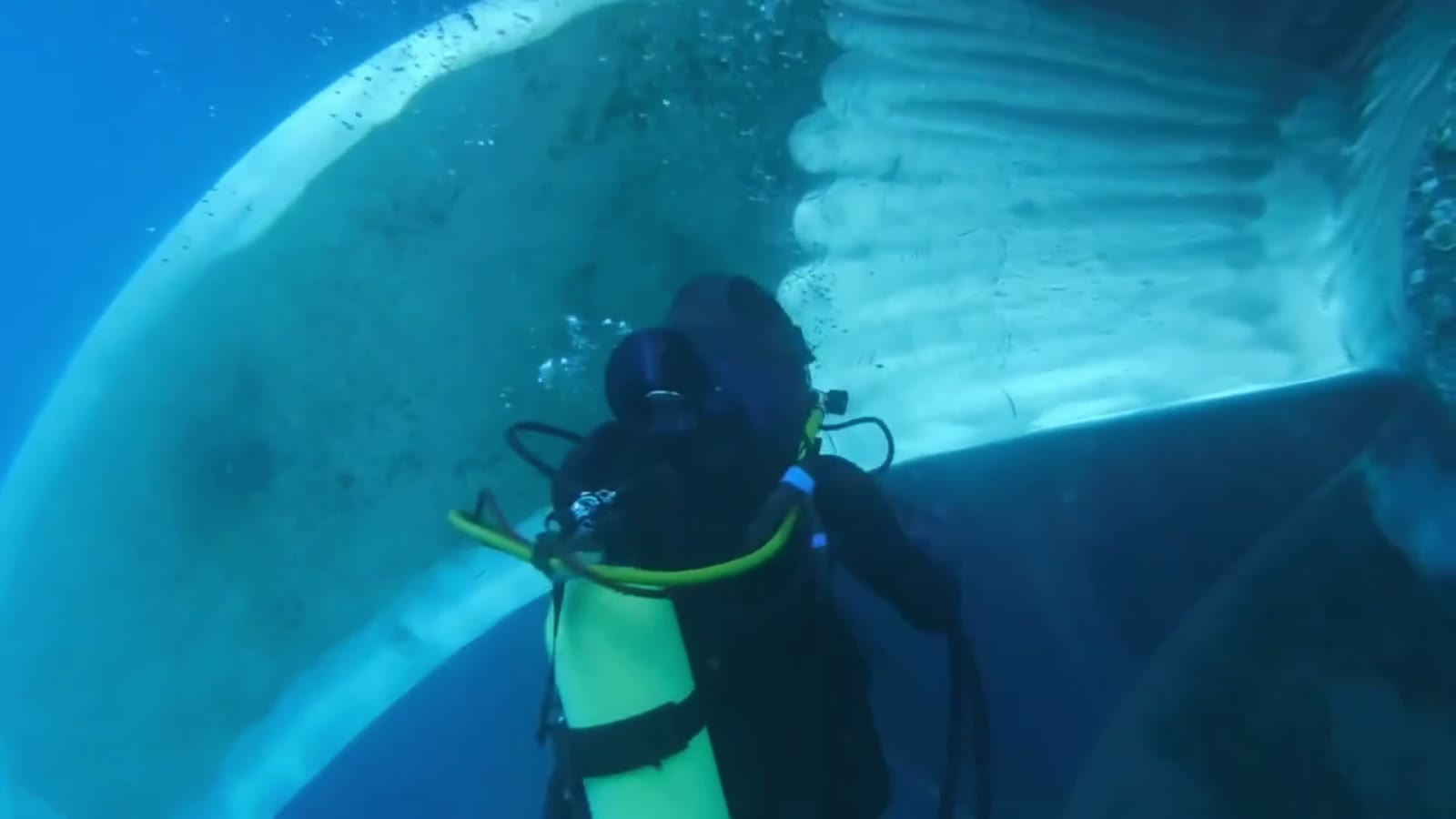
Propeller Polishing at Jebel Ali Port
Mirror finish, measurably lower fuel burn
Get a quote
Tell us the vessel, the port and the window. Scoped reply, usually the same working day.
Cleanship Marine carries out underwater propeller super polishing at Jebel Ali Port, Dubai. Divers work the blades through a multi-stage sequence to a Class A mirror finish, removing fouling, calcareous deposits and accumulated surface roughness while the vessel lies alongside or at anchor.
The propeller is the highest-leverage surface on any vessel calling at Jebel Ali: it runs at high relative velocity, so roughness there costs disproportionately more than the same roughness spread over the hull. For the main-line and feeder container ships, pure car and truck carriers, general cargo and project vessels working this port, polishing is the shortest route to a measurable fuel saving.
What it gets you
- Blade roughness removed where it costs the most, at the highest-velocity surface on the vessel
- Propeller efficiency restored between dockings without off-hire
- Cavitation erosion and edge damage documented before it becomes a repair item
- A finish record that supports hull and propeller performance monitoring
Working conditions at Jebel Ali
Jebel Ali is a large artificial harbour and thoroughly sheltered, so in-water work runs alongside for most of the year and the berth window, not the weather, is the constraint. What the Gulf takes back is biological: shallow, hot, hypersaline water grows fouling faster here than almost anywhere the fleet trades, and a hull that looked acceptable at the last call can be materially fouled three months later. Visibility in the basin is moderate and drops around dredging and bunkering activity.
- Where we work
- Container terminal berths · RoRo and general cargo berths · Liquid bulk berths · Outer anchorage
- Vessels we see here
- Main-line and feeder container ships · Pure car and truck carriers · General cargo and project vessels · Offshore support vessels
What we do at Jebel Ali
- Blade condition assessment covering both faces, the leading and trailing edges and the tips
- Multi-stage polishing sequence worked down to a Class A mirror finish
- Boss, hub and fairing cone cleaned, with rope guard and seal area inspected
- Edge damage, cavitation erosion and any deformation photographed and reported rather than polished over
- Diving permission cleared with DP World and the Dubai Maritime Authority, and the shaft confirmed immobilised with the master before the dive
- Before-and-after video and a written finish record for the performance file
Planning the window at Jebel Ali
The shamal governs the calendar at Jebel Ali Port, through the winter months and again in early summer. The shamal is a wind and sea-state problem rather than a rain one: it builds short, steep seas across the shallow Gulf that stop anchorage work while berths stay usable. Because the harbour is sheltered, work here normally runs alongside or at a protected anchorage and can proceed in parallel with cargo operations rather than competing with them for the berth window.
Work is taken at the container terminal berths, RoRo and general cargo berths, liquid bulk berths, outer anchorage, and which of those a vessel ends up at changes the dive plan more than the season does. Teams mobilise via Dubai (DXB) or Al Maktoum (DWC), so give us the ETA as early as you have it — the travel is the flexible part, the approvals and the working window are not.
What we typically find at Jebel Ali
Liquid and gas tonnage here spends long stretches at the terminal or waiting for a slot, so growth tends to be even and well established across the hull rather than patchy — heavier than the trading pattern suggests, and further along than a speed report alone would indicate.
Shelter is a mixed blessing for a hull. The same calm that makes the port easy to work in is still water, and still water grows fouling faster than an exposed berth does.
Standard scope of work
Included as standard on every propeller polishing attendance, wherever the vessel is. Anything outside it is quoted separately and flagged before mobilisation, never added afterwards.
- Deposit removal
- Calcareous growth, shell and hard deposits removed from both blade faces without gouging or scoring the blade surface.
- Progressive polishing
- Successive abrasive grades work the blade from rough to fine, finishing at a Class A mirror surface across the full blade area.
- Edge finishing
- Leading and trailing edges dressed to restore profile and remove the roughness that seeds cavitation.
- Boss and hub
- Boss, hub and rope guard cleaned, with stern tube seal condition inspected and reported.
How we deliver it at Jebel Ali
- 1
Scope and vessel details
Tell us the vessel, her particulars, the coating specification and the window at Jebel Ali. We come back with a defined scope, a crew size and a duration we will stand behind. Where the conditions here will not support what has been asked for, we say so at this stage rather than after mobilisation.
- 2
Permits and approvals
Access at Jebel Ali Port is the terminal operator's decision as much as DP World and the Dubai Maritime Authority's, so both are in the approval chain from the start — a berth-side refusal discovered at the gangway costs the whole attendance. Diving permission, terminal approval and any environmental clearance for in-water work are handled by us, not left with the agent to chase.
- 3
Mobilisation to Jebel Ali
Divers, compressors, brush carts and cameras mobilise via Dubai (DXB) or Al Maktoum (DWC). Where a vessel is also calling at Port Rashid, one mobilisation is normally sized to cover both.
- 4
Safety setup and the dive
The vessel is secured for diving — main engine, shaft and thrusters immobilised, sea suctions confirmed shut, permit agreed with the master. Teams work under surface supervision with continuous diver communications and video throughout.
- 5
Report and handover
A completion report covering propeller polishing is issued with before-and-after imagery, coating and anode condition and anything found that you should know about. The findings are discussed with the vessel rather than emailed and forgotten.
Jebel Ali Port at a glance
- UN/LOCODE
- AEJEA
- Port type
- Private Port
- Emirate
- Dubai
- Country
- United Arab Emirates
- Water body
- Arabian Gulf
- Port authority
- DP World and the Dubai Maritime Authority
- Main cargoes
- Containers, RoRo and vehicles, Project cargo, Liquid bulk, General cargo
- Crew mobilisation
- Dubai (DXB) / Al Maktoum (DWC)
- Services here
- Hull Cleaning, Hold Cleaning and Tank Cleaning
Frequently asked — Propeller Polishing at Jebel Ali
Do you provide propeller polishing at Jebel Ali Port?
Yes. Cleanship Marine works Jebel Ali Port (AEJEA) in Dubai, United Arab Emirates, covering the container terminal berths, RoRo and general cargo berths, liquid bulk berths, outer anchorage. Teams mobilise via Dubai (DXB) or Al Maktoum (DWC) with the full spread.
Can propeller polishing be done while the vessel works cargo at Jebel Ali?
Yes, in most cases. The harbour is sheltered enough that divers work alongside while cargo operations continue, and neither holds the other up. The vessel stays on hire throughout, and there is no diversion and no dry dock. We scope against the conditions at Jebel Ali and tell you honestly whether the window you have is enough.
Do you need a diving permit from DP World and the Dubai Maritime Authority?
Yes, and we obtain it. Diving permission from DP World and the Dubai Maritime Authority, terminal approval where the berth requires it, and any environmental clearance for in-water work are arranged as part of the job rather than left with the agent. The master's permit to work and the immobilisation of machinery are agreed on board before anyone enters the water.
What is underwater visibility like at Jebel Ali?
Visibility at Jebel Ali Port is moderate, and it drops further around active bulk handling and after heavy rain, and the shamal sets the outer limits of the calendar. How the tide and sea state shape the dive plan is set out in full in the working-conditions section on this page.
Which vessels do you carry out propeller polishing on at Jebel Ali?
Main-line and feeder container ships, Pure car and truck carriers, General cargo and project vessels, Offshore support vessels — the traffic at Jebel Ali Port runs to containers, RoRo and vehicles, project cargo, so those are the profiles we see most. The scope is sized to the vessel, not to a standard package.
How quickly can a team mobilise to Jebel Ali?
Divers and equipment mobilise via Dubai (DXB) or Al Maktoum (DWC). Give us the ETA and the window and we will confirm what is achievable rather than promise a date we cannot hold. Where the vessel also calls at Port Rashid or Sharjah, one mobilisation is often sized to cover both.
What does propeller polishing at Jebel Ali cost?
It depends on the vessel's dimensions and wetted area, the fouling state found, the coating specification and the working window available at Jebel Ali. We would rather scope it properly and give you a specific figure than quote a headline rate that changes once the work starts. Send the details and the window at Jebel Ali and you get a scoped price, usually the same working day.
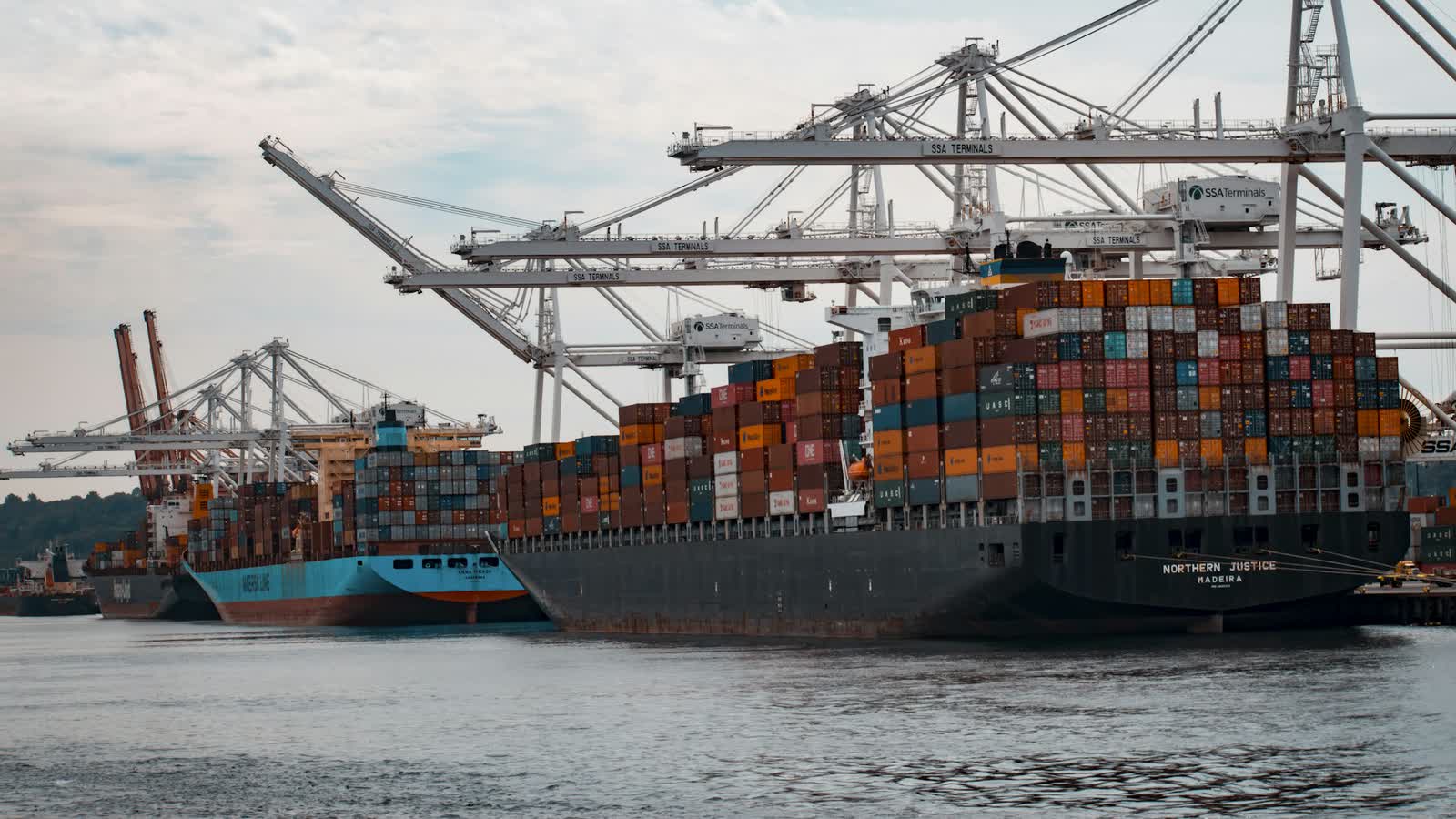
Propeller Polishing at Jebel Ali Port.
Tell us the vessel, her ETA at Jebel Ali and the window. You get a scope, a crew size and an honest duration — usually the same working day.